
Moscow struggles to sell crude as tanker inventories rise, pressuring global energy markets

Moscow struggles to sell crude as tanker inventories rise, pressuring global energy markets

At least 12 Russian oil tankers are idling off Oman's coast as key buyers slow purchases, a dynamic that ripples into macro conditions affecting risk assets including crypto.

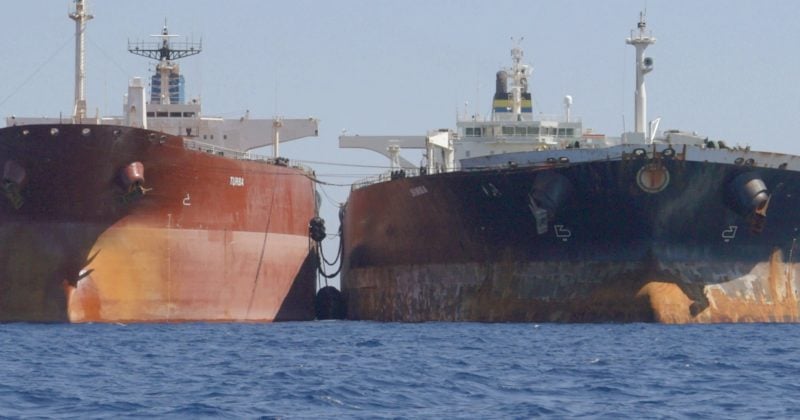
Russia has a parking problem. Not cars, but oil tankers. At least 12 vessels loaded with Urals crude are currently anchored off the coast of Oman, some sitting there since mid-December 2025, waiting for buyers who aren’t exactly rushing to pick up the phone.

For the four weeks ending January 11, Russian crude exports clocked in at 3.42 million barrels per day. The resulting floating inventory buildup has hit early-2026 highs, creating a bottleneck that’s squeezing Moscow’s energy revenues at a time it can least afford it.

Advertisement

The floating parking lot

In December 2025, Russian seaborne inventories surged by 48% to approximately 185 million barrels. The fact that early January 2026 data shows the problem persisting, and potentially worsening, tells a clear story: Moscow’s traditional buyer base is pulling back, at least temporarily.

India, which had become one of Russia’s most important crude customers since Western sanctions reshaped trade flows in 2022, has slowed its offtake. Meanwhile, shipments bound for China face extended voyage times that compound the logistical gridlock.

What to watch from here

The key variable is India. If Indian refiners resume purchasing at their prior pace, the tanker backlog could clear relatively quickly. But if the slowdown persists through January and into February, expect the oversupply narrative to gain momentum, putting downward pressure on global crude benchmarks.

Russia’s fiscal position adds urgency. Oil and gas revenues remain a critical funding source for Moscow’s budget, and every week that tankers sit idle represents real revenue lost. The country has limited options: it can discount further to entice buyers, redirect cargoes to smaller or less traditional markets, or reduce export volumes entirely.

The 185-million-barrel floating inventory figure from December 2025 is the benchmark to track. If January data comes in meaningfully above that number, it suggests the problem is accelerating rather than resolving.

Disclosure: This article was edited by Editorial Team. For more information on how we create and review content, see our Editorial Policy.

Moscow struggles to sell crude as tanker inventories rise, pressuring global energy markets

Moscow struggles to sell crude as tanker inventories rise, pressuring global energy markets

At least 12 Russian oil tankers are idling off Oman's coast as key buyers slow purchases, a dynamic that ripples into macro conditions affecting risk assets including crypto.

Russia has a parking problem. Not cars, but oil tankers. At least 12 vessels loaded with Urals crude are currently anchored off the coast of Oman, some sitting there since mid-December 2025, waiting for buyers who aren’t exactly rushing to pick up the phone.

For the four weeks ending January 11, Russian crude exports clocked in at 3.42 million barrels per day. The resulting floating inventory buildup has hit early-2026 highs, creating a bottleneck that’s squeezing Moscow’s energy revenues at a time it can least afford it.

Advertisement

The floating parking lot

In December 2025, Russian seaborne inventories surged by 48% to approximately 185 million barrels. The fact that early January 2026 data shows the problem persisting, and potentially worsening, tells a clear story: Moscow’s traditional buyer base is pulling back, at least temporarily.

India, which had become one of Russia’s most important crude customers since Western sanctions reshaped trade flows in 2022, has slowed its offtake. Meanwhile, shipments bound for China face extended voyage times that compound the logistical gridlock.

What to watch from here

The key variable is India. If Indian refiners resume purchasing at their prior pace, the tanker backlog could clear relatively quickly. But if the slowdown persists through January and into February, expect the oversupply narrative to gain momentum, putting downward pressure on global crude benchmarks.

Russia’s fiscal position adds urgency. Oil and gas revenues remain a critical funding source for Moscow’s budget, and every week that tankers sit idle represents real revenue lost. The country has limited options: it can discount further to entice buyers, redirect cargoes to smaller or less traditional markets, or reduce export volumes entirely.

The 185-million-barrel floating inventory figure from December 2025 is the benchmark to track. If January data comes in meaningfully above that number, it suggests the problem is accelerating rather than resolving.

Disclosure: This article was edited by Editorial Team. For more information on how we create and review content, see our Editorial Policy.