
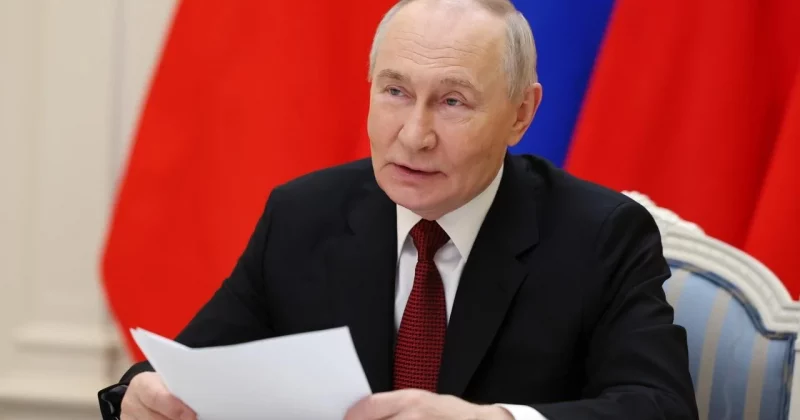
Russia claims it is no longer bound by nuclear arms limits after New START expiration
For the first time in over 50 years, no legally binding treaty limits the strategic nuclear arsenals of the US and Russia, raising geopolitical risk questions that ripple into crypto markets.
The New START treaty expired on February 4, 2026, and Russia wasted no time making its position clear. The Russian Foreign Ministry announced that both Russia and the US are “no longer bound by any obligations” under the agreement, formally closing the book on decades of structured nuclear arms control.
This is the first time in more than half a century that no legally binding limitations exist on the strategic nuclear arsenals of the world’s two largest nuclear powers.
What the treaty actually did
New START, formally known as the Treaty on Measures for the Further Reduction and Limitation of Strategic Offensive Arms, entered into force on February 5, 2011. It capped each nation at 1,550 deployed strategic warheads, 700 deployed delivery systems, and 800 launchers.
The treaty was extended once, pushing its expiration to February 4, 2026. But the relationship between Washington and Moscow deteriorated sharply after Russia’s invasion of Ukraine in 2022, and by 2023, Russia had already suspended the treaty’s verification measures. The inspections and data exchanges that gave both sides a window into each other’s arsenals went dark.
The news moving money, markets, and the world—before your day starts.
Daily. Free. Join 34,000+ readers across crypto, finance, and policy.
On September 22, 2025, Russia proposed extending the treaty’s central limits for one additional year. The US did not formally respond to that proposal. Whether that silence was strategic indifference or bureaucratic paralysis, the outcome was the same: the treaty lapsed with no successor agreement in place.
Sanctions, crypto, and the UK crackdown
On May 26, 2026, the UK announced new sanctions specifically targeting crypto-asset exchanges and networks that facilitate Russian sanctions evasion. Notably, the UK used correspondent banking restrictions for the first time against crypto entities, a tool previously reserved for traditional financial institutions.
The implications are practical. Exchanges identified as facilitating Russian sanctions evasion could see their banking relationships severed, which directly impacts their ability to process fiat on-ramps and off-ramps. Reduced banking access means reduced liquidity, which means wider spreads and higher costs for traders on those platforms.