
Nexo Earn with Nexo
Samsung Electronics leads South Korean chip stocks decline, falls 4.7% to KRW272,500

Samsung Electronics leads South Korean chip stocks decline, falls 4.7% to KRW272,500

The world's largest memory chip maker is caught between long-term AI tailwinds and short-term investor anxiety over pricing, demand, and geopolitics.

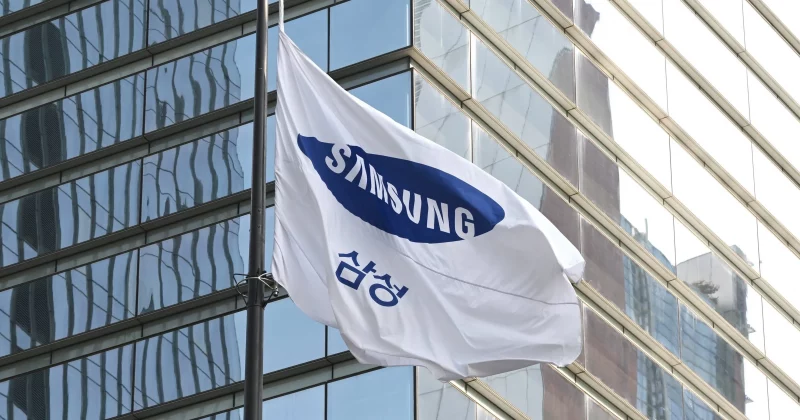
Samsung Electronics shares slid 4.7% to KRW272,500 (roughly $197), dragging South Korean semiconductor stocks lower. SK Hynix, the other pillar of South Korea’s memory chip industry, mirrored the downturn.

The sell-off traces back to persistently elevated memory chip prices suggesting that end-demand isn’t growing fast enough to absorb supply organically. Foreign investors have been net sellers of Korean chip stocks, adding downward pressure at a time when domestic sentiment was already wobbly.

Geopolitical risk is layering additional uncertainty on top of the demand concerns. Ongoing conflicts in the Middle East threaten supply chains for helium and bromine, two materials critical to semiconductor manufacturing. Helium is used in cooling during chip fabrication, while bromine plays a role in flame retardants for circuit boards.

The long game still looks strong, in theory

Samsung and SK Hynix have been named as the exclusive suppliers of HBM4 memory for Nvidia’s upcoming Vera Rubin AI accelerator. SK Group Chairman Chey Tae-won has projected a 20% memory chip supply deficit persisting through 2030, a forecast that would support sustained pricing power and margin expansion for Korean chipmakers over the medium to long term.

Samsung’s recent financial history illustrates why investors are cautious. In the fourth quarter of 2022, Samsung’s operating profit collapsed by over 90% year-over-year, driven by inventory excess and cratering mobile demand, particularly in China.

What this means for investors

The bull case rests on exclusive HBM4 supply contracts with Nvidia and a projected multi-year supply deficit. The bear case includes foreign capital outflows, geopolitical risks to raw material supply chains, and the precedent of 2022’s profit collapse.

Samsung’s dual role as both a memory chip and foundry player means it has more exposure to the broader semiconductor cycle than a pure-play AI beneficiary, as weakness in smartphones or consumer electronics can offset gains from AI-related demand.

Disclosure: This article was edited by Editorial Team. For more information on how we create and review content, see our Editorial Policy.

Samsung Electronics leads South Korean chip stocks decline, falls 4.7% to KRW272,500

Samsung Electronics leads South Korean chip stocks decline, falls 4.7% to KRW272,500

The world's largest memory chip maker is caught between long-term AI tailwinds and short-term investor anxiety over pricing, demand, and geopolitics.

Samsung Electronics shares slid 4.7% to KRW272,500 (roughly $197), dragging South Korean semiconductor stocks lower. SK Hynix, the other pillar of South Korea’s memory chip industry, mirrored the downturn.

The sell-off traces back to persistently elevated memory chip prices suggesting that end-demand isn’t growing fast enough to absorb supply organically. Foreign investors have been net sellers of Korean chip stocks, adding downward pressure at a time when domestic sentiment was already wobbly.

Geopolitical risk is layering additional uncertainty on top of the demand concerns. Ongoing conflicts in the Middle East threaten supply chains for helium and bromine, two materials critical to semiconductor manufacturing. Helium is used in cooling during chip fabrication, while bromine plays a role in flame retardants for circuit boards.

The long game still looks strong, in theory

Samsung and SK Hynix have been named as the exclusive suppliers of HBM4 memory for Nvidia’s upcoming Vera Rubin AI accelerator. SK Group Chairman Chey Tae-won has projected a 20% memory chip supply deficit persisting through 2030, a forecast that would support sustained pricing power and margin expansion for Korean chipmakers over the medium to long term.

Samsung’s recent financial history illustrates why investors are cautious. In the fourth quarter of 2022, Samsung’s operating profit collapsed by over 90% year-over-year, driven by inventory excess and cratering mobile demand, particularly in China.

What this means for investors

The bull case rests on exclusive HBM4 supply contracts with Nvidia and a projected multi-year supply deficit. The bear case includes foreign capital outflows, geopolitical risks to raw material supply chains, and the precedent of 2022’s profit collapse.

Samsung’s dual role as both a memory chip and foundry player means it has more exposure to the broader semiconductor cycle than a pure-play AI beneficiary, as weakness in smartphones or consumer electronics can offset gains from AI-related demand.

Disclosure: This article was edited by Editorial Team. For more information on how we create and review content, see our Editorial Policy.