
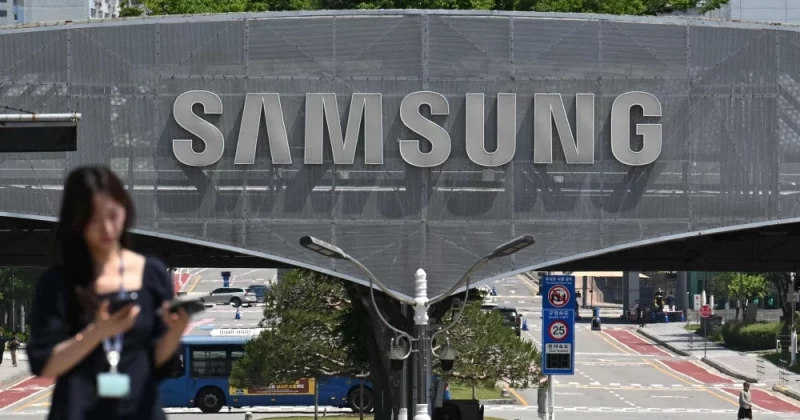
Samsung union approves compensation deal, averting chip plant strike
The tech giant's largest labor union accepted a $26.6 billion bonus pool to prevent an 18-day walkout by 48,000 semiconductor workers.
Samsung Electronics just wrote a very large check to keep its chip factories running. The company’s biggest labor union approved a compensation deal that awards semiconductor employees an average bonus of roughly 513 million won, about $340K per person, drawn from a total pool of approximately 40 trillion won ($26.6B).
The agreement, reached on May 21, prevented what would have been an 18-day strike involving around 48,000 unionized workers in Samsung’s semiconductor division.
What the deal actually looks like
The compensation package goes beyond a one-time payout. It introduces a profit-sharing structure that could run for a full decade, combining stock and cash components. Specifically, the arrangement allocates 10.5% of profits in stock and 1.5% in cash to eligible employees.
That structure is designed to address a long-simmering dispute over pay caps that Samsung’s chip workers felt put them at a disadvantage compared to peers at rival firms like SK Hynix.
The deal came together through government-mediated discussions after earlier negotiations stalled. Union members began voting on ratification shortly after the tentative agreement was announced, with results expected by around May 27.
The news moving money, markets, and the world—before your day starts.
Daily. Free. Join 34,000+ readers across crypto, finance, and policy.
A smaller non-chip union has filed for a court injunction, arguing the deal unfairly favors semiconductor division employees over workers in other parts of Samsung’s sprawling business.
Markets loved it
Samsung shares jumped 8.5% following the announcement, reaching record highs.
Why this matters beyond Samsung
SK Hynix has been gaining ground in the high-bandwidth memory market that’s critical for AI applications. TSMC continues to dominate advanced logic chip manufacturing.
The profit-sharing structure is particularly notable because it aligns worker incentives with long-term company performance over a 10-year horizon.
The court challenge from Samsung’s non-chip union adds another layer of uncertainty. If a judge rules that the bonus distribution is inequitable, Samsung could face pressure to extend similar terms across its broader workforce, significantly increasing the total cost of the labor peace it just purchased.