
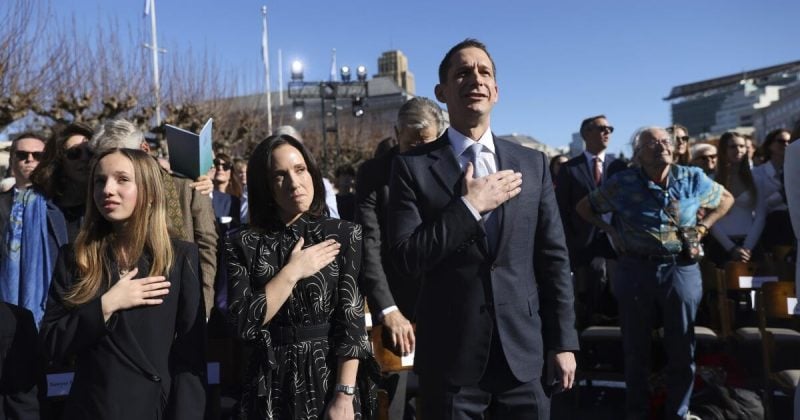
San Francisco is reportedly experiencing a political shift toward the center under the leadership of Mayor Daniel Lurie. This shift was highlighted by the recent voter rejection of Proposition D, a union-backed tax measure targeting high-paid executives, which was defeated by a margin of 53.6% to 46.4%. This outcome suggests a departure from the progressive policies that have historically characterized the city. Lurie, a Democrat and heir to the Levi Strauss fortune, appears to be consolidating support for moderate candidates and policies through a well-resourced political network. His leadership marks a significant pivot from the city’s previous progressive stance, which could have implications for broader state policies.
The market implications of this shift are evident in the pricing for the proposed billionaire wealth tax in the upcoming November 2026 California election. The current market price for the wealth tax passing is at 29.5% YES, reflecting a slight decrease over the past week. Markets may be interpreting the San Francisco developments as indicative of a broader trend towards moderation, potentially reducing the likelihood of similar progressive tax measures gaining traction in California.
The observed shift in San Francisco’s political landscape may influence key political actors and stakeholders in California. With the state’s history of progressive tax measures, this move toward the center could affect the strategies of gubernatorial candidates and other political figures as they navigate the upcoming elections.
Key Takeaways
- The rejection of Proposition D in San Francisco suggests a shift towards centrist politics under Mayor Daniel Lurie.
- Market pricing for the California billionaire wealth tax indicates a decrease in expected support, consistent with the city’s political shift.
- The developments in San Francisco may influence broader state policies and election strategies, impacting the likelihood of progressive measures passing.
What to Watch
Observers will be closely monitoring the actions of California Secretary of State Shirley Weber as she certifies initiatives for the November ballot. Additionally, the responses of gubernatorial candidates, especially in terms of their stance on progressive tax measures, will be crucial. Markets will be attentive to any significant endorsements or polling shifts that might suggest increased or decreased support for the wealth tax measure. The political dynamics in San Francisco could serve as a bellwether for statewide political trends leading up to the 2026 elections.