Nexo Earn with Nexo
Saudi Arabia launches unpublicized strikes on Iran amid regional conflict

Saudi Arabia launches unpublicized strikes on Iran amid regional conflict

Covert airstrikes on Iranian soil mark a historic first for Riyadh, followed by rapid diplomatic de-escalation that slashed attacks on Saudi territory.

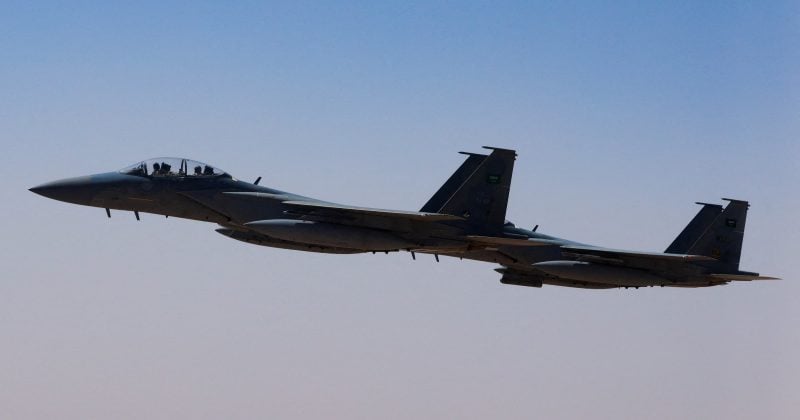
Saudi Arabia carried out covert airstrikes inside Iranian territory in late March, retaliating against missile and drone attacks launched from Iran. The strikes represent the first publicly confirmed Saudi military action on Iranian soil, a watershed moment in a rivalry that has shaped Middle Eastern geopolitics for decades.

Following the strikes, both nations moved quickly to back-channel diplomacy. The result was a mutual agreement to de-escalate, and the data suggests it worked: attacks on Saudi territory dropped from over 105 at the end of March to just over 25 in early April.

What happened

The strikes came in response to Iranian missile and drone attacks targeting Saudi territory. Riyadh chose not to publicize the operation, opting instead for a quiet display of force followed by diplomatic engagement.

Advertisement

The diplomatic pivot

Intensive back-channel diplomacy followed the strikes almost immediately. Saudi and Iranian officials reached a mutual understanding to dial down hostilities, a remarkable turnaround given that one country had just bombed the other.

One complicating factor emerged during the period leading up to a broader ceasefire. Some of the attacks on Saudi territory were assessed to have originated from Iraq rather than Iran. That distinction matters. It suggests Iranian affiliates may have been shifting their operational base, either to maintain plausible deniability for Tehran or because Iran was already signaling a willingness to step back from direct confrontation.

Why this matters beyond the region

For decades, the conflict operated through proxies. Houthi rebels in Yemen, backed by Iran, launched repeated drone and missile strikes on Saudi infrastructure, including attacks on Aramco oil facilities that briefly knocked out roughly half of Saudi oil production in 2019. Saudi Arabia responded through its coalition in Yemen and by lobbying Western allies for pressure on Tehran.

The timing also matters. The broader regional landscape has been reshaped by the Abraham Accords, the China-brokered Saudi-Iran rapprochement in 2023, and ongoing conflicts in Gaza and Lebanon.

What investors and markets should watch

For crypto markets specifically, geopolitical instability in the Middle East has historically driven short-term Bitcoin rallies as investors seek non-sovereign stores of value. The 2019 Aramco attack, for instance, coincided with a brief Bitcoin uptick.

The reduction in attacks from over 105 to around 25 in roughly a week is a concrete data point worth tracking. If that number continues to decline, it validates the strike-then-negotiate approach and suggests a durable, if fragile, equilibrium.

Disclosure: This article was edited by Editorial Team. For more information on how we create and review content, see our Editorial Policy.
Advertisement

Saudi Arabia launches unpublicized strikes on Iran amid regional conflict

Saudi Arabia launches unpublicized strikes on Iran amid regional conflict

Covert airstrikes on Iranian soil mark a historic first for Riyadh, followed by rapid diplomatic de-escalation that slashed attacks on Saudi territory.

Saudi Arabia carried out covert airstrikes inside Iranian territory in late March, retaliating against missile and drone attacks launched from Iran. The strikes represent the first publicly confirmed Saudi military action on Iranian soil, a watershed moment in a rivalry that has shaped Middle Eastern geopolitics for decades.

Following the strikes, both nations moved quickly to back-channel diplomacy. The result was a mutual agreement to de-escalate, and the data suggests it worked: attacks on Saudi territory dropped from over 105 at the end of March to just over 25 in early April.

What happened

The strikes came in response to Iranian missile and drone attacks targeting Saudi territory. Riyadh chose not to publicize the operation, opting instead for a quiet display of force followed by diplomatic engagement.

Advertisement

The diplomatic pivot

Intensive back-channel diplomacy followed the strikes almost immediately. Saudi and Iranian officials reached a mutual understanding to dial down hostilities, a remarkable turnaround given that one country had just bombed the other.

One complicating factor emerged during the period leading up to a broader ceasefire. Some of the attacks on Saudi territory were assessed to have originated from Iraq rather than Iran. That distinction matters. It suggests Iranian affiliates may have been shifting their operational base, either to maintain plausible deniability for Tehran or because Iran was already signaling a willingness to step back from direct confrontation.

Why this matters beyond the region

For decades, the conflict operated through proxies. Houthi rebels in Yemen, backed by Iran, launched repeated drone and missile strikes on Saudi infrastructure, including attacks on Aramco oil facilities that briefly knocked out roughly half of Saudi oil production in 2019. Saudi Arabia responded through its coalition in Yemen and by lobbying Western allies for pressure on Tehran.

The timing also matters. The broader regional landscape has been reshaped by the Abraham Accords, the China-brokered Saudi-Iran rapprochement in 2023, and ongoing conflicts in Gaza and Lebanon.

What investors and markets should watch

For crypto markets specifically, geopolitical instability in the Middle East has historically driven short-term Bitcoin rallies as investors seek non-sovereign stores of value. The 2019 Aramco attack, for instance, coincided with a brief Bitcoin uptick.

The reduction in attacks from over 105 to around 25 in roughly a week is a concrete data point worth tracking. If that number continues to decline, it validates the strike-then-negotiate approach and suggests a durable, if fragile, equilibrium.

Disclosure: This article was edited by Editorial Team. For more information on how we create and review content, see our Editorial Policy.
Advertisement