
Nexo Earn with Nexo
Saudi Arabia welcomes US-Iran ceasefire as Trump lifts naval blockade and reopens Strait of Hormuz

Saudi Arabia welcomes US-Iran ceasefire as Trump lifts naval blockade and reopens Strait of Hormuz

The deal, brokered with help from Pakistan, Qatar, and Turkey, sent oil prices lower and lifted Asian equities as markets priced in reduced supply risk

Saudi Arabia’s Ministry of Foreign Affairs on June 14 formally endorsed the US-Iran ceasefire agreement announced by President Donald Trump, calling for an immediate halt to military operations across all fronts. The deal marks the most consequential shift in Middle Eastern geopolitics since the conflict escalated earlier this year, and its ripple effects are already showing up in energy and equity markets.

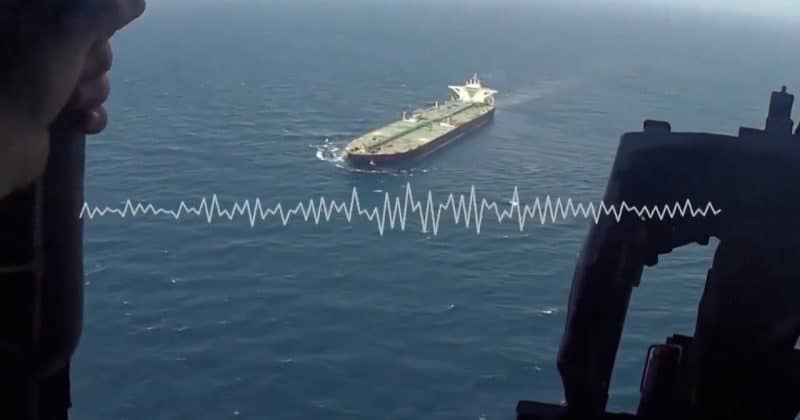
Trump’s announcement went beyond a simple ceasefire. He ordered the lifting of the US naval blockade on Iranian ports and declared the imminent reopening of the Strait of Hormuz, the narrow waterway through which a massive share of global oil shipments pass. His phrase, “let the oil flow,” signaled an unmistakable pivot in US policy toward the region’s energy infrastructure.

Advertisement

How the deal came together

Pakistani Prime Minister Shehbaz Sharif played a central role in brokering the agreement, with Qatar and Turkey also serving as key mediators. Multiple world leaders have since voiced approval of the terms.

The conflict traces back to late February and early March 2026, when US and Israeli strikes targeted Iranian assets. Iran retaliated against Gulf states, setting off a cascading series of military escalations that rattled global markets for months. The Strait of Hormuz became a focal point of the standoff.

Trump’s directive calls for an immediate termination of military operations on all fronts, including Lebanon, which had become a secondary theater in the broader conflict. The ceasefire is designed to create space for direct negotiations between Washington and Tehran.

Markets react swiftly

Oil prices fell following the announcement. Asian stock markets also climbed, reflecting broader investor optimism that the supply disruptions plaguing global energy markets for months might finally ease.

What this means for crypto and risk assets

Lower energy prices also reduce input costs for Bitcoin miners, who consume enormous amounts of electricity. That doesn’t move the price of Bitcoin directly, but it improves the economics of the mining industry, which has knock-on effects for network hash rate and overall ecosystem health.

Disclosure: This article was edited by Editorial Team. For more information on how we create and review content, see our Editorial Policy.

Saudi Arabia welcomes US-Iran ceasefire as Trump lifts naval blockade and reopens Strait of Hormuz

Saudi Arabia welcomes US-Iran ceasefire as Trump lifts naval blockade and reopens Strait of Hormuz

The deal, brokered with help from Pakistan, Qatar, and Turkey, sent oil prices lower and lifted Asian equities as markets priced in reduced supply risk

Saudi Arabia’s Ministry of Foreign Affairs on June 14 formally endorsed the US-Iran ceasefire agreement announced by President Donald Trump, calling for an immediate halt to military operations across all fronts. The deal marks the most consequential shift in Middle Eastern geopolitics since the conflict escalated earlier this year, and its ripple effects are already showing up in energy and equity markets.

Trump’s announcement went beyond a simple ceasefire. He ordered the lifting of the US naval blockade on Iranian ports and declared the imminent reopening of the Strait of Hormuz, the narrow waterway through which a massive share of global oil shipments pass. His phrase, “let the oil flow,” signaled an unmistakable pivot in US policy toward the region’s energy infrastructure.

Advertisement

How the deal came together

Pakistani Prime Minister Shehbaz Sharif played a central role in brokering the agreement, with Qatar and Turkey also serving as key mediators. Multiple world leaders have since voiced approval of the terms.

The conflict traces back to late February and early March 2026, when US and Israeli strikes targeted Iranian assets. Iran retaliated against Gulf states, setting off a cascading series of military escalations that rattled global markets for months. The Strait of Hormuz became a focal point of the standoff.

Trump’s directive calls for an immediate termination of military operations on all fronts, including Lebanon, which had become a secondary theater in the broader conflict. The ceasefire is designed to create space for direct negotiations between Washington and Tehran.

Markets react swiftly

Oil prices fell following the announcement. Asian stock markets also climbed, reflecting broader investor optimism that the supply disruptions plaguing global energy markets for months might finally ease.

What this means for crypto and risk assets

Lower energy prices also reduce input costs for Bitcoin miners, who consume enormous amounts of electricity. That doesn’t move the price of Bitcoin directly, but it improves the economics of the mining industry, which has knock-on effects for network hash rate and overall ecosystem health.

Disclosure: This article was edited by Editorial Team. For more information on how we create and review content, see our Editorial Policy.