
https://gcaptain.com/hormuz-oil-flows-creep-higher-as-more-supertankers-exit/
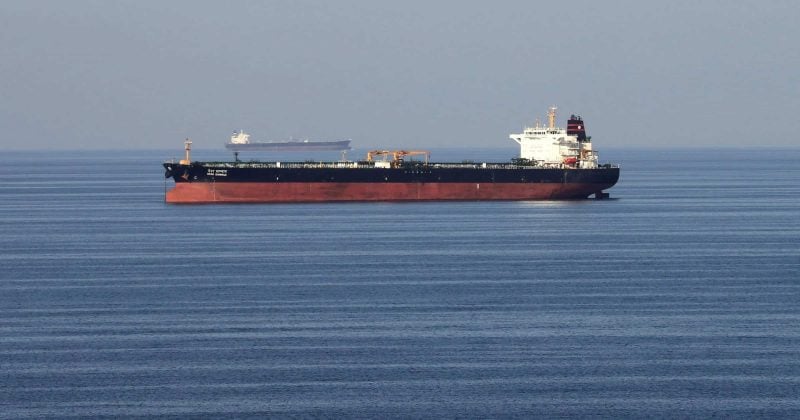
Saudi supertankers exit Hormuz in largest oil flow since Iran truce
Strait of Hormuz traffic normal by July 31
Saudi Arabia has initiated its largest oil flow through the Strait of Hormuz since the U.S.-Iran ceasefire, as supertankers exit the strategic chokepoint. This development follows a preliminary accord signed in June 2026, which partially reopened the passage after months of blockade by Iran. The transit of approximately 6 million barrels of crude marks a significant de-escalation in the ongoing Strait of Hormuz crisis, highlighting the impact of international diplomatic efforts led by Pakistan. While the ceasefire extension is fragile, this move suggests a temporary alleviation of the blockade threat, influencing market dynamics around oil flow and regional stability.
Key Takeaways
- The exit of Saudi supertankers through Hormuz appears to indicate a significant increase in oil flow, suggesting a return to more normalized traffic levels.
- Market pricing suggests this development may support a YES outcome for the “Strait of Hormuz traffic returns to normal by July 31” market, now priced at 26.5% YES.
- The movement of supertankers could indicate a temporary stabilization in geopolitical tensions, consistent with the recent ceasefire extension.
What to Watch
Observe any further statements or actions from key actors such as the U.S. Navy, Iranian authorities, and Saudi officials that could influence the ceasefire’s stability. Particular attention should be paid to reports from IMF PortWatch and other maritime intelligence sources regarding traffic levels through the Strait of Hormuz. Any indication of renewed hostilities or changes in diplomatic negotiations could impact market expectations and pricing for both oil flow and regional security outcomes.