
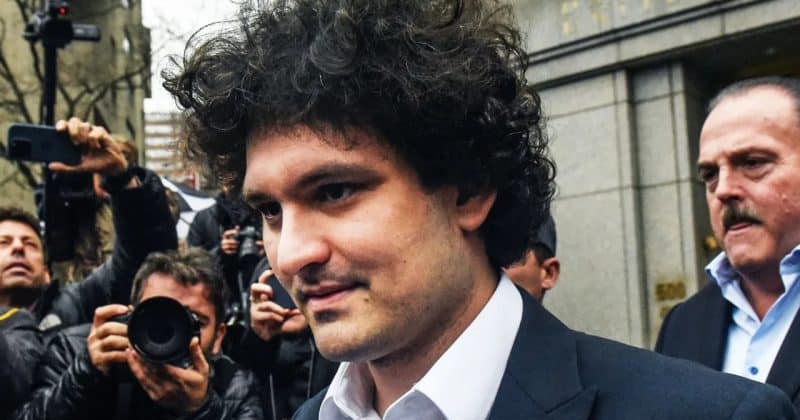
Sam Bankman-Fried loses appeal of fraud conviction, 25-year sentence stands
The Second Circuit found no reversible error in SBF's trial, calling the prosecution's evidence 'robust' and affirming the $11B forfeiture order
Sam Bankman-Fried will not be getting a do-over. The US Court of Appeals for the Second Circuit has upheld his conviction on seven counts of fraud and conspiracy, affirming both his 25-year prison sentence and a forfeiture order of approximately $11B.
The Second Circuit’s decision, handed down on June 12, described the prosecution’s case as “robust.”
SBF’s legal team had built their appeal around claims of procedural unfairness. The core argument: Judge Lewis A. Kaplan, who presided over the original trial, had improperly restricted the defense from presenting evidence about legal advice SBF received and claims regarding FTX’s solvency. The appellate court wasn’t persuaded. It found no reversible error in Judge Kaplan’s handling of the proceedings and concluded that the trial struck a sufficient balance between the prosecution and defense.
SBF’s attorneys also raised allegations of judicial bias against Judge Kaplan. The court dismissed those too.
Oral arguments had been heard back on November 4, 2025, giving the three-judge panel more than seven months to deliberate.
FTX, once valued at $32B, collapsed in November 2022 when it became clear the exchange had been funneling customer deposits to its sister trading firm, Alameda Research. Bankman-Fried was arrested in the Bahamas and extradited to the US within weeks.
The news moving money, markets, and the world—before your day starts.
Daily. Free. Join 34,000+ readers across crypto, finance, and policy.
A jury convicted him on November 2, 2023, on all seven counts of fraud and conspiracy. The charges spanned wire fraud, securities fraud, commodities fraud, and money laundering conspiracy.
Sentencing came on March 28, 2024. Judge Kaplan handed down 25 years, well above what many legal observers had predicted but well below the theoretical maximum of over 100 years. The $11B forfeiture order reflected the scale of losses suffered by FTX’s customers and creditors.
SBF’s legal team filed their appeal on April 11, 2024, barely two weeks after sentencing.
Now, with the Second Circuit’s ruling, SBF’s remaining legal options are narrow. He could petition for a rehearing en banc, meaning the full Second Circuit rather than a three-judge panel. Or he could try to take the case to the US Supreme Court. The Supreme Court accepts fewer than 2% of the petitions it receives, and the Second Circuit’s finding of no reversible error gives the high court little reason to intervene.
The Second Circuit, which covers New York and is arguably the most influential federal appeals court for financial cases, has now validated the legal framework prosecutors used against SBF. That framework treats crypto fraud with the same seriousness as traditional financial fraud.
The 25-year sentence is the most severe handed down for white-collar crime in the crypto space. For exchange operators, commingling customer funds, misrepresenting financial health, and operating without proper controls can result in decades of prison time.
The $11B forfeiture order remains part of FTX’s bankruptcy estate creditor repayment process. The appellate ruling removes any legal uncertainty that might have delayed or complicated those recovery efforts.