
Nexo Earn with Nexo
Scotland’s Steve Clarke aims to enjoy World Cup 2026 after Euro disappointments

Scotland’s Steve Clarke aims to enjoy World Cup 2026 after Euro disappointments

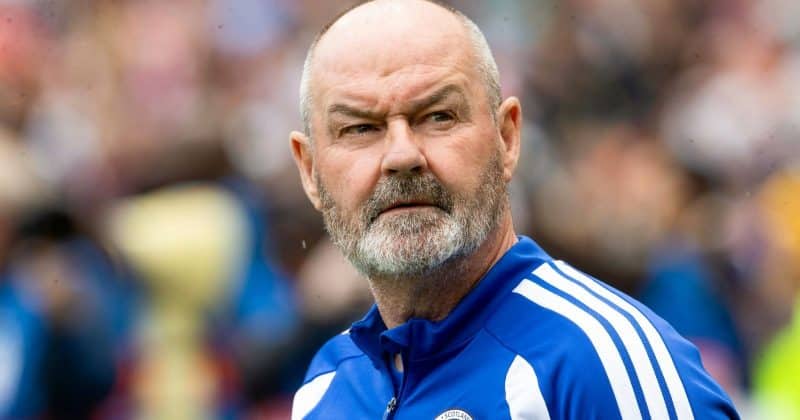
Scotland returns to the World Cup for the first time since 1998, with Clarke extending his contract through 2030 after securing qualification with a dramatic win over Denmark.

Scotland hasn’t played in a World Cup since France 1998. That’s 28 years of watching from the couch.

Clarke, who has managed Scotland since May 2019, secured qualification for the 2026 FIFA World Cup with a 4-2 victory over Denmark on November 18, 2025.

From Euro heartbreak to World Cup dreams

Clarke’s tenure hasn’t been without its rough patches. He led Scotland to both Euro 2020 and Euro 2024, marking the team’s return to major tournament football after decades in the wilderness. Neither campaign ended well.

Advertisement

At Euro 2020, delayed to 2021 due to the pandemic, Scotland managed just one point from their three group matches. Euro 2024 brought similar frustration, with the team again failing to advance beyond the group stage.

Clarke signed a contract extension in May 2026 that keeps him in charge through the 2030 World Cup cycle.

Preparation and squad selection

Scotland’s 26-man squad for the 2026 World Cup was announced in early June 2026. The roster features familiar names, with Scott McTominay and Ross Stewart among the key selections.

Preparations have included a training camp in Florida, a logical staging ground given that the 2026 tournament is spread across the US, Canada, and Mexico. The team also played a friendly against Bolivia on June 6, 2026, coming away with a victory.

Why this matters beyond football

For a nation of roughly 5.4 million people, major tournament participation is a cultural event that touches everything from pub revenues to national morale.

The 1998 World Cup squad, the last to qualify, featured names like Colin Hendry and Craig Burley. An entire generation of Scottish football fans has grown up without seeing their country on the sport’s biggest stage.

The three-country format of the 2026 World Cup, expanded to 48 teams from the previous 32, did make qualification marginally easier. But Scotland still had to earn their place through a competitive European qualifying campaign, and that 4-2 win over Denmark was anything but a gimme.

Disclosure: This article was edited by Editorial Team. For more information on how we create and review content, see our Editorial Policy.

Scotland’s Steve Clarke aims to enjoy World Cup 2026 after Euro disappointments

Scotland’s Steve Clarke aims to enjoy World Cup 2026 after Euro disappointments

Scotland returns to the World Cup for the first time since 1998, with Clarke extending his contract through 2030 after securing qualification with a dramatic win over Denmark.

Scotland hasn’t played in a World Cup since France 1998. That’s 28 years of watching from the couch.

Clarke, who has managed Scotland since May 2019, secured qualification for the 2026 FIFA World Cup with a 4-2 victory over Denmark on November 18, 2025.

From Euro heartbreak to World Cup dreams

Clarke’s tenure hasn’t been without its rough patches. He led Scotland to both Euro 2020 and Euro 2024, marking the team’s return to major tournament football after decades in the wilderness. Neither campaign ended well.

Advertisement

At Euro 2020, delayed to 2021 due to the pandemic, Scotland managed just one point from their three group matches. Euro 2024 brought similar frustration, with the team again failing to advance beyond the group stage.

Clarke signed a contract extension in May 2026 that keeps him in charge through the 2030 World Cup cycle.

Preparation and squad selection

Scotland’s 26-man squad for the 2026 World Cup was announced in early June 2026. The roster features familiar names, with Scott McTominay and Ross Stewart among the key selections.

Preparations have included a training camp in Florida, a logical staging ground given that the 2026 tournament is spread across the US, Canada, and Mexico. The team also played a friendly against Bolivia on June 6, 2026, coming away with a victory.

Why this matters beyond football

For a nation of roughly 5.4 million people, major tournament participation is a cultural event that touches everything from pub revenues to national morale.

The 1998 World Cup squad, the last to qualify, featured names like Colin Hendry and Craig Burley. An entire generation of Scottish football fans has grown up without seeing their country on the sport’s biggest stage.

The three-country format of the 2026 World Cup, expanded to 48 teams from the previous 32, did make qualification marginally easier. But Scotland still had to earn their place through a competitive European qualifying campaign, and that 4-2 win over Denmark was anything but a gimme.

Disclosure: This article was edited by Editorial Team. For more information on how we create and review content, see our Editorial Policy.