
Securitize exec says DeFi can disrupt stock lending ahead of NYSE listing
President Brett Redfearn argues tokenization can redirect billions in stock-lending revenue from brokers back to retail investors
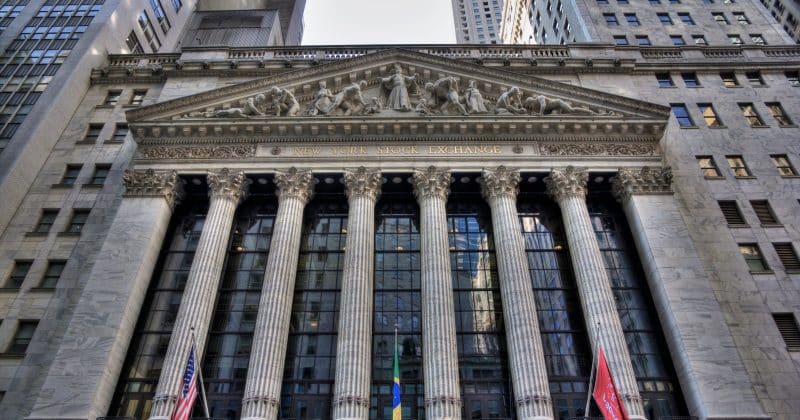
When your broker lends out the shares sitting in your account, they pocket most of the revenue. Securitize President Brett Redfearn thinks DeFi can change that, and he’s making the case just days before his company starts trading on the New York Stock Exchange.
Redfearn, who previously served as the SEC’s Director of Trading and Markets from 2017 to 2020, told Decrypt that tokenized assets combined with decentralized finance protocols can fundamentally rewire how stock lending works. In English: instead of brokers quietly earning yield on your holdings and giving you a sliver (or nothing), tokenization could let retail investors capture that revenue directly.
The stock lending problem nobody talks about
Robinhood captures roughly 85% of stock-lending revenue generated from customer shares. Charles Schwab takes about 50%. These aren’t hidden fees in the traditional sense, but they represent value being extracted from assets that technically belong to retail investors.
Redfearn’s argument is straightforward. Tokenized securities living on-chain can be programmatically deployed into DeFi lending markets without a broker acting as middleman. The yield goes to the person who actually owns the asset.
From SEC regulator to tokenization evangelist
Redfearn spent three years overseeing trading and markets at the SEC. He was appointed Securitize President in April 2026. His perspective carries weight precisely because he understands the regulatory machinery from the inside.
Redfearn was careful to note that Securitize’s role is building the infrastructure, not the entire ecosystem. He emphasized that the broader growth of DeFi depends on independent developers creating applications that work with tokenized assets.
The news moving money, markets, and the world—before your day starts.
Daily. Free. Join 34,000+ readers across crypto, finance, and policy.
NYSE listing and the $400M war chest
Securitize expects to begin trading on the NYSE under the ticker SECZ around July 2-3, 2026. The listing comes through a SPAC merger with Cantor Equity Partners II, which received SEC clearance and shareholder approval. The deal aims to raise approximately $400 million.
Back in March 2026, the NYSE designated Securitize as its first digital transfer agent. The two are collaborating on a digital trading platform for tokenized securities with 24/7 settlement capabilities.
Securitize facilitated BlackRock’s BUIDL fund, a tokenized Treasury product that demonstrated institutional appetite for on-chain real-world assets.
What this means for investors
For retail investors watching this space, the stock-lending angle is particularly interesting. If tokenized securities can genuinely route lending revenue directly to asset holders, the value proposition becomes immediately tangible. You’re capturing yield that a broker would otherwise keep.
Regulatory clarity around tokenized securities is improving but far from complete. DeFi protocols that interact with regulated tokenized assets will need to navigate compliance requirements that most existing DeFi platforms weren’t designed for.