
Nexo Earn with Nexo
Securitize plans to tokenize every stock, bond, and asset

Securitize plans to tokenize every stock, bond, and asset

The digital-asset securities platform has a sweeping vision for blockchain-based ownership, but the global tokenization market is still largely experimental.

Securitize, the regulated digital-asset securities platform, is betting that the future of finance lives on a blockchain ledger. The company’s ambition: convert every stock, bond, and asset into a digital token.

It’s a vision that sounds like the final boss level of crypto’s real-world asset push. And if you’ve been paying attention to the tokenization narrative building across Wall Street and Silicon Valley alike, Securitize is positioning itself squarely at the center of it.

What Securitize actually does

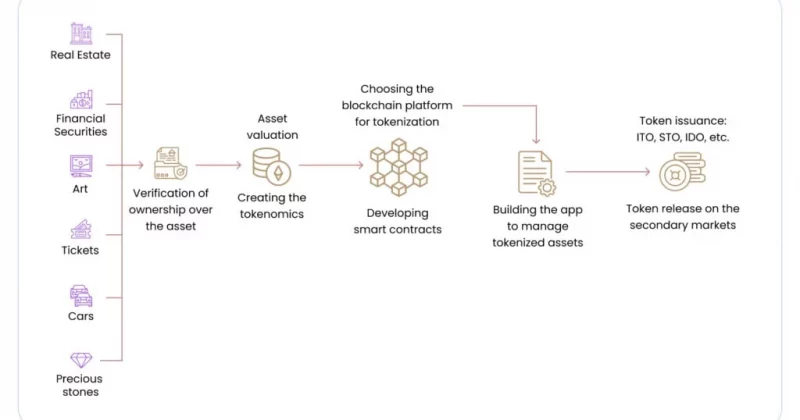
Here’s the thing about most tokenization projects. They create a digital wrapper around an existing security, essentially a receipt that points back to the real thing sitting in some custodian’s vault. Securitize takes a different approach.

The company issues tokens that serve as the actual native representation of the security on a blockchain. In English: the token isn’t a copy or a pointer. It is the security, living directly on-chain.

That distinction matters more than it might seem at first glance. When the token is the security itself, lifecycle events like dividend distributions, borrowing against holdings, and ownership transfers can happen automatically through smart contracts. No intermediary shuffling paper. No three-day settlement windows.

CEO Carlos Domingo has articulated a vision where blockchain-based ownership ledgers replace the legacy systems that currently underpin global capital markets. Think of it as swapping out the plumbing of the financial system, pipe by pipe, while the water keeps flowing.

Advertisement

The promise is straightforward: faster transactions, improved transparency, and democratized access to assets that have historically been gated behind wealth minimums and institutional relationships.

The gap between vision and reality

Now for the cold water. Securitize’s vision of tokenizing “every stock, bond, and asset” is aspirational in the truest sense of the word. The current state of tokenized securities globally is, to put it gently, nascent.

The International Organization of Securities Commissions, known as IOSCO, the body that coordinates regulation across the world’s securities markets, has surveyed its member jurisdictions on tokenization adoption. The result: 91% of jurisdictions reported minimal tokenization use cases, with most activity focused on experimentation rather than actual deployments into public markets.

Let that sink in. Nine out of ten regulatory jurisdictions worldwide haven’t seen meaningful real-world tokenization take root yet. The technology works. The regulatory clarity, in most places, does not.

Current adoption of tokenized securities is primarily concentrated in private funds and structured credit products. These are areas where the existing infrastructure is clunky enough that blockchain-based alternatives offer a clear upgrade, and where the regulatory bar for experimentation is lower than in public equity markets.

Public stocks and bonds, the bread and butter of global capital markets, remain largely untouched by tokenization outside of pilot programs. The New York Stock Exchange isn’t disappearing anytime soon.

That said, the trajectory is worth watching. Tokenization as a concept has gone from crypto-native curiosity to something that BlackRock, JPMorgan, and other institutional heavyweights are actively exploring. The question isn’t really whether tokenization will happen. It’s how long the bridge between pilot programs and real scale will take to build.

Why this matters for investors

For crypto-native investors, Securitize represents one of the clearest bets on the “real-world assets” thesis that has dominated narrative cycles over the past two years. The company isn’t trying to build another DeFi protocol or launch a speculative token. It’s building regulated infrastructure for moving traditional finance onto blockchain rails.

That positioning carries both upside and constraints. The upside is obvious: if even a fraction of the global securities market migrates to tokenized formats, the platforms facilitating that migration will capture enormous value. Global bond markets alone are measured in the hundreds of trillions of dollars. Even a sliver of that pie represents a generational opportunity.

The constraints are equally real. Securitize operates in a heavily regulated environment, which means growth depends not just on technology but on regulatory approval across multiple jurisdictions. Every new market requires navigating a different set of rules, and as the IOSCO data shows, most regulators are still in “watch and learn” mode rather than “green light” mode.

There’s also the competitive landscape to consider. Securitize isn’t the only player in tokenized securities. Other platforms and traditional financial institutions with deep pockets are building competing solutions. The advantage Securitize holds, its approach of making the token the native security rather than a derivative layer, could prove to be a meaningful differentiator. Or it could get replicated by a larger competitor with more distribution power.

For traditional investors watching from the sidelines, the tokenization trend is worth monitoring even if you never buy a single crypto asset. The efficiency gains from instant settlement, automated compliance, and fractional ownership could fundamentally reshape how securities markets operate over the next decade. Whether Securitize is the company that leads that transition or simply one of many early movers that paved the way, the direction of travel is becoming harder to ignore.

The practical question for anyone evaluating this space: look at where adoption is actually happening today, private markets and structured credit, rather than where the vision says it will eventually go. The companies that can demonstrate real traction in current use cases, rather than just painting a picture of a fully tokenized future, are the ones most likely to survive the long regulatory and adoption runway ahead.

Disclosure: This article was edited by Editorial Team. For more information on how we create and review content, see our Editorial Policy.

Securitize plans to tokenize every stock, bond, and asset

Securitize plans to tokenize every stock, bond, and asset

The digital-asset securities platform has a sweeping vision for blockchain-based ownership, but the global tokenization market is still largely experimental.

Securitize, the regulated digital-asset securities platform, is betting that the future of finance lives on a blockchain ledger. The company’s ambition: convert every stock, bond, and asset into a digital token.

It’s a vision that sounds like the final boss level of crypto’s real-world asset push. And if you’ve been paying attention to the tokenization narrative building across Wall Street and Silicon Valley alike, Securitize is positioning itself squarely at the center of it.

What Securitize actually does

Here’s the thing about most tokenization projects. They create a digital wrapper around an existing security, essentially a receipt that points back to the real thing sitting in some custodian’s vault. Securitize takes a different approach.

The company issues tokens that serve as the actual native representation of the security on a blockchain. In English: the token isn’t a copy or a pointer. It is the security, living directly on-chain.

That distinction matters more than it might seem at first glance. When the token is the security itself, lifecycle events like dividend distributions, borrowing against holdings, and ownership transfers can happen automatically through smart contracts. No intermediary shuffling paper. No three-day settlement windows.

CEO Carlos Domingo has articulated a vision where blockchain-based ownership ledgers replace the legacy systems that currently underpin global capital markets. Think of it as swapping out the plumbing of the financial system, pipe by pipe, while the water keeps flowing.

Advertisement

The promise is straightforward: faster transactions, improved transparency, and democratized access to assets that have historically been gated behind wealth minimums and institutional relationships.

The gap between vision and reality

Now for the cold water. Securitize’s vision of tokenizing “every stock, bond, and asset” is aspirational in the truest sense of the word. The current state of tokenized securities globally is, to put it gently, nascent.

The International Organization of Securities Commissions, known as IOSCO, the body that coordinates regulation across the world’s securities markets, has surveyed its member jurisdictions on tokenization adoption. The result: 91% of jurisdictions reported minimal tokenization use cases, with most activity focused on experimentation rather than actual deployments into public markets.

Let that sink in. Nine out of ten regulatory jurisdictions worldwide haven’t seen meaningful real-world tokenization take root yet. The technology works. The regulatory clarity, in most places, does not.

Current adoption of tokenized securities is primarily concentrated in private funds and structured credit products. These are areas where the existing infrastructure is clunky enough that blockchain-based alternatives offer a clear upgrade, and where the regulatory bar for experimentation is lower than in public equity markets.

Public stocks and bonds, the bread and butter of global capital markets, remain largely untouched by tokenization outside of pilot programs. The New York Stock Exchange isn’t disappearing anytime soon.

That said, the trajectory is worth watching. Tokenization as a concept has gone from crypto-native curiosity to something that BlackRock, JPMorgan, and other institutional heavyweights are actively exploring. The question isn’t really whether tokenization will happen. It’s how long the bridge between pilot programs and real scale will take to build.

Why this matters for investors

For crypto-native investors, Securitize represents one of the clearest bets on the “real-world assets” thesis that has dominated narrative cycles over the past two years. The company isn’t trying to build another DeFi protocol or launch a speculative token. It’s building regulated infrastructure for moving traditional finance onto blockchain rails.

That positioning carries both upside and constraints. The upside is obvious: if even a fraction of the global securities market migrates to tokenized formats, the platforms facilitating that migration will capture enormous value. Global bond markets alone are measured in the hundreds of trillions of dollars. Even a sliver of that pie represents a generational opportunity.

The constraints are equally real. Securitize operates in a heavily regulated environment, which means growth depends not just on technology but on regulatory approval across multiple jurisdictions. Every new market requires navigating a different set of rules, and as the IOSCO data shows, most regulators are still in “watch and learn” mode rather than “green light” mode.

There’s also the competitive landscape to consider. Securitize isn’t the only player in tokenized securities. Other platforms and traditional financial institutions with deep pockets are building competing solutions. The advantage Securitize holds, its approach of making the token the native security rather than a derivative layer, could prove to be a meaningful differentiator. Or it could get replicated by a larger competitor with more distribution power.

For traditional investors watching from the sidelines, the tokenization trend is worth monitoring even if you never buy a single crypto asset. The efficiency gains from instant settlement, automated compliance, and fractional ownership could fundamentally reshape how securities markets operate over the next decade. Whether Securitize is the company that leads that transition or simply one of many early movers that paved the way, the direction of travel is becoming harder to ignore.

The practical question for anyone evaluating this space: look at where adoption is actually happening today, private markets and structured credit, rather than where the vision says it will eventually go. The companies that can demonstrate real traction in current use cases, rather than just painting a picture of a fully tokenized future, are the ones most likely to survive the long regulatory and adoption runway ahead.

Disclosure: This article was edited by Editorial Team. For more information on how we create and review content, see our Editorial Policy.