
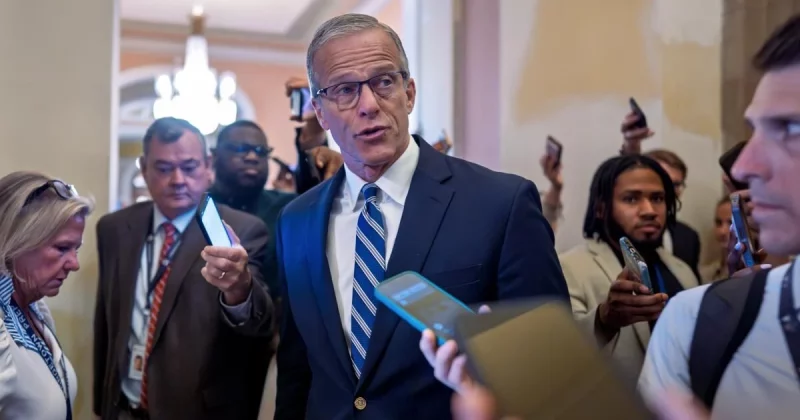
Senate rejects warrantless surveillance law, raising doubts on its future
A 52-47 vote fell short of the 60 needed to advance FISA Section 702 reauthorization, with the program set to expire on June 12.
The US Senate voted 52-47 on June 5 to block advancement of a bill that would have reauthorized one of America’s most powerful, and most controversial, surveillance tools. Section 702 of the Foreign Intelligence Surveillance Act, which allows US intelligence agencies to collect communications of foreign targets without a warrant, now faces an expiration date of June 12 with no clear path forward.
The vote needed 60 to clear the procedural hurdle. It didn’t come close.
What happened and why it matters
Section 702 is the legal backbone of a surveillance program that lets agencies like the NSA intercept emails, texts, and phone calls of non-US persons located abroad. In English: the government can vacuum up foreign communications that pass through American internet infrastructure without going to a judge first.
The catch, and the reason civil liberties groups have been fighting this for years, is that Americans’ communications frequently get swept up in the process. When a US citizen emails or calls someone overseas who’s being monitored, that data gets collected too. Accessing that incidentally gathered data on Americans without a warrant has been the core sticking point in every reauthorization battle.
This time around, the fight got tangled up with something entirely separate: President Trump’s nomination of Bill Pulte to serve as director of national intelligence. Democrats used the surveillance vote as leverage, opposing the bill’s advancement in large part because of their objections to Pulte leading the intelligence community.
But this wasn’t a strictly partisan affair. Seven Republican senators broke ranks and voted against their own party’s push to advance the measure. Josh Hawley, John Kennedy, Mike Lee, Rand Paul, Eric Schmitt, Rick Scott, and Tommy Tuberville all voted no, citing privacy concerns that have made strange bedfellows of libertarian-leaning Republicans and progressive Democrats for years.
The news moving money, markets, and the world—before your day starts.
Daily. Free. Join 34,000+ readers across crypto, finance, and policy.
The bipartisan opposition effectively killed what had been a proposed three-year extension of the authority.
The clock is ticking
Section 702 expires on June 12. A lapse wouldn’t immediately shut down ongoing surveillance operations, as existing court orders would likely carry through their authorization periods. But it would prevent new surveillance directives from being issued, creating a gap in intelligence collection that national security officials have repeatedly warned would be dangerous.
Previous reauthorization battles have included proposals to require warrants before intelligence agencies can search Section 702 databases for information about US persons. Those reform measures didn’t make it into the bill that was just blocked, which frustrated privacy advocates who saw the expiration deadline as their best leverage to force meaningful changes.
What this means for crypto and tech investors
The seven Republicans who voted no represent a growing privacy-conscious bloc that has historically overlapped with crypto-friendly positions. Rand Paul and Mike Lee in particular have been vocal about limiting government overreach in both the surveillance and financial regulation contexts.
For crypto-specific compliance technology firms, the uncertainty is particularly relevant. Companies building tools for transaction monitoring, KYC verification, and regulatory reporting need to understand what data the government can access and under what conditions. A lapse or significant reform of Section 702 could alter those parameters in ways that affect product roadmaps and compliance frameworks.
Even if Section 702 lapses temporarily, existing financial surveillance authorities under the Bank Secrecy Act and other statutes remain intact.