
US Senate passes war powers resolution to block Trump on Iran conflict
Four Republican senators broke ranks to push a bipartisan rebuke of the administration's military operations through both chambers of Congress for the first time since the conflict began.
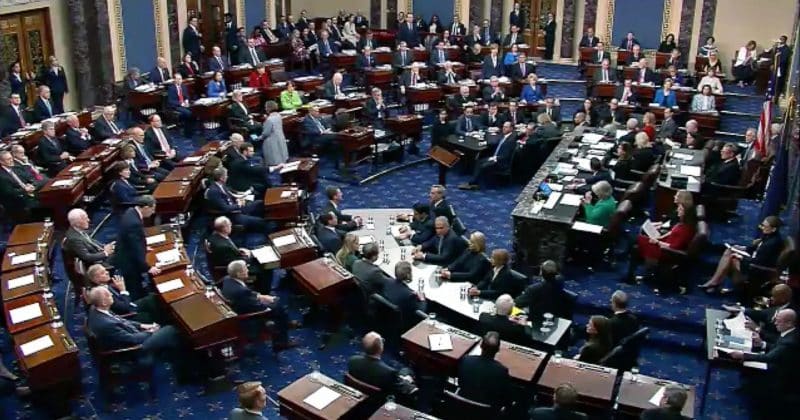
The US Senate voted 50-48 on June 23 to approve a war powers resolution aimed at halting military operations against Iran, marking the first time such a measure has cleared both chambers of Congress since hostilities began in late February.
Four Republican senators crossed party lines to join Democrats in backing the resolution. The House had already passed its own version earlier in June by a similarly razor-thin margin of 215-208.
A rare congressional rebuke
US and Israeli military strikes commenced on February 28, 2026. In the roughly four months since, the conflict has generated increasing unease on Capitol Hill, particularly among members of the president’s own party.
The Trump administration has dismissed these congressional efforts as unconstitutional, a position that sets up a constitutional standoff even if the resolution itself carries no binding legal force. It doesn’t require Trump’s signature, which means it functions more as a political statement than an enforceable directive.
The political pressure campaign
President Trump reportedly pressured Senate Republicans to reverse course procedurally after the resolution cleared, underscoring just how seriously the White House views this congressional pushback.
Macro, rates, and crypto—what moved markets and what matters next.
Daily. Free. Join 34,000+ readers across crypto, finance, and policy.
Ongoing ceasefire negotiations and diplomatic efforts add another layer of complexity. The resolution lands at a moment when the geopolitical situation remains fluid, with multiple diplomatic channels reportedly active even as military operations continue.
What this means for markets and investors
Crypto markets showed minimal immediate reaction to the Senate vote. Bitcoin remained stable amid ETF outflows.
The indirect channels matter more here. If the resolution signals a potential winding down of military operations, that could ease oil prices, which in turn affects inflation expectations, which feeds into Federal Reserve policy decisions, which moves crypto markets.
Traditional markets, particularly energy stocks and defense contractors, are more directly exposed to shifts in US-Iran policy. Any concrete change in the military posture could trigger repricing across those sectors before crypto feels any secondary effects.