
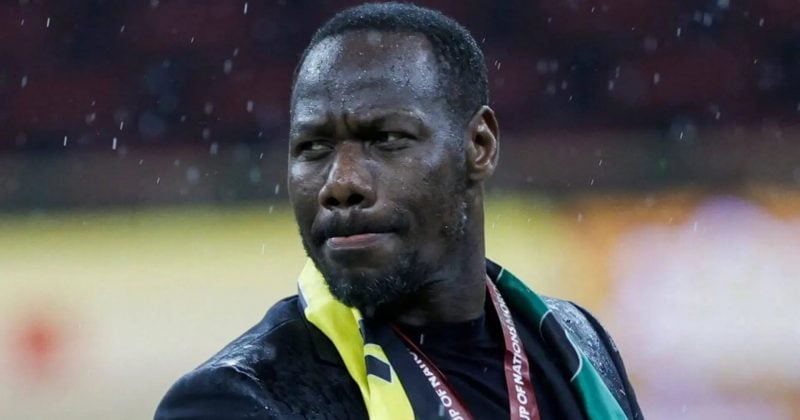
Senegalese Football Federation blames coach Pape Thiaw’s salary demands for World Cup exit

Senegalese Football Federation blames coach Pape Thiaw’s salary demands for World Cup exit

The FSF fired Thiaw after claiming contract disputes poisoned team chemistry during the 2026 tournament, raising familiar questions about governance in African football federations

When your national team gets bounced from the World Cup in the round of 32, someone has to take the fall. In Senegal’s case, the football federation decided that someone was head coach Pape Thiaw, and their explanation for the team’s collapse is, well, refreshingly blunt: they say his salary negotiations wrecked everything.

FSF president Abdoulaye Fall held a press conference on July 13 to explain why Thiaw and his entire coaching staff were shown the door one day earlier. The core accusation: Thiaw’s push to more than double his monthly pay from roughly 20 million CFA francs to 50 million CFA francs created what Fall described as a “breakdown in trust” that infected the squad’s preparation and performance during the tournament.

**A pay dispute that spiraled**

Thiaw was appointed head coach on December 13, 2024. At some point before the 2026 World Cup, he reportedly sought a major salary bump, pushing for 50 million CFA francs per month, roughly $80,000 at current exchange rates, up from an existing salary in the range of $32,000 to $45,000 monthly. The two sides eventually settled on approximately 30 million CFA francs.

Advertisement

According to Fall, the negotiations didn’t just involve base salary. Disputes over win bonuses and signing bonuses added fuel to what was becoming a very public bonfire. The compromise on paper didn’t translate to a compromise in the locker room.

Senegal’s tournament ended on July 1, 2026, with a 3-2 loss to Belgium in the round of 32. Eleven days later, Thiaw was gone.

**The governance question**

What makes this situation notable is how openly the FSF chose to frame it as a money problem rather than a tactical one. The FSF essentially said: our coach was too focused on his paycheck, and it poisoned the well.

It also raises an uncomfortable question. If the salary dispute was serious enough to derail World Cup preparations, why wasn’t it resolved decisively months before the tournament? Letting a contract dispute fester through a major tournament is an organizational failure, not just a coaching one.

**What this actually means going forward**

The broader issue is one of professionalization. Thiaw’s reported salary, even at the requested 50 million CFA francs, is a rounding error compared to what top-tier national team coaches earn globally. That gap matters because it limits the talent pool. If coaching the Senegalese national team pays less than a mid-table European club assistant role, the federation will continue to face these negotiations with every coaching appointment.

Fall’s press conference may have been intended to shift blame cleanly onto Thiaw. But by detailing exactly how the salary dispute unfolded — including the specific figures of 20 million, 50 million, and 30 million CFA francs — the FSF also revealed its own inability to manage a straightforward contract negotiation without it becoming a team-wide distraction.

Disclosure: This article was edited by Editorial Team. For more information on how we create and review content, see our Editorial Policy.

Senegalese Football Federation blames coach Pape Thiaw’s salary demands for World Cup exit

Senegalese Football Federation blames coach Pape Thiaw’s salary demands for World Cup exit

The FSF fired Thiaw after claiming contract disputes poisoned team chemistry during the 2026 tournament, raising familiar questions about governance in African football federations

When your national team gets bounced from the World Cup in the round of 32, someone has to take the fall. In Senegal’s case, the football federation decided that someone was head coach Pape Thiaw, and their explanation for the team’s collapse is, well, refreshingly blunt: they say his salary negotiations wrecked everything.

FSF president Abdoulaye Fall held a press conference on July 13 to explain why Thiaw and his entire coaching staff were shown the door one day earlier. The core accusation: Thiaw’s push to more than double his monthly pay from roughly 20 million CFA francs to 50 million CFA francs created what Fall described as a “breakdown in trust” that infected the squad’s preparation and performance during the tournament.

**A pay dispute that spiraled**

Thiaw was appointed head coach on December 13, 2024. At some point before the 2026 World Cup, he reportedly sought a major salary bump, pushing for 50 million CFA francs per month, roughly $80,000 at current exchange rates, up from an existing salary in the range of $32,000 to $45,000 monthly. The two sides eventually settled on approximately 30 million CFA francs.

Advertisement

According to Fall, the negotiations didn’t just involve base salary. Disputes over win bonuses and signing bonuses added fuel to what was becoming a very public bonfire. The compromise on paper didn’t translate to a compromise in the locker room.

Senegal’s tournament ended on July 1, 2026, with a 3-2 loss to Belgium in the round of 32. Eleven days later, Thiaw was gone.

**The governance question**

What makes this situation notable is how openly the FSF chose to frame it as a money problem rather than a tactical one. The FSF essentially said: our coach was too focused on his paycheck, and it poisoned the well.

It also raises an uncomfortable question. If the salary dispute was serious enough to derail World Cup preparations, why wasn’t it resolved decisively months before the tournament? Letting a contract dispute fester through a major tournament is an organizational failure, not just a coaching one.

**What this actually means going forward**

The broader issue is one of professionalization. Thiaw’s reported salary, even at the requested 50 million CFA francs, is a rounding error compared to what top-tier national team coaches earn globally. That gap matters because it limits the talent pool. If coaching the Senegalese national team pays less than a mid-table European club assistant role, the federation will continue to face these negotiations with every coaching appointment.

Fall’s press conference may have been intended to shift blame cleanly onto Thiaw. But by detailing exactly how the salary dispute unfolded — including the specific figures of 20 million, 50 million, and 30 million CFA francs — the FSF also revealed its own inability to manage a straightforward contract negotiation without it becoming a team-wide distraction.

Disclosure: This article was edited by Editorial Team. For more information on how we create and review content, see our Editorial Policy.