
SK Gaming taps SlowQ for LEC Summer Split as esports orgs keep crypto at arm’s length

SK Gaming taps SlowQ for LEC Summer Split as esports orgs keep crypto at arm’s length

The roster swap is routine esports business, but the absence of any crypto tie-in tells its own story about where legacy gaming organizations are placing their bets.

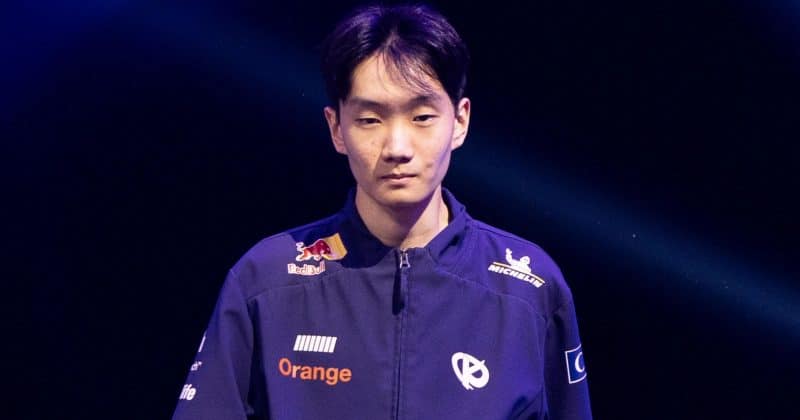
SK Gaming has signed Seo “SlowQ” Ye-bit to its League of Legends roster for the 2026 LEC Summer Split, replacing LIDER in the mid lane.

The roster move itself

SlowQ, born March 20, 2004, holds dual South Korean and Swedish nationality. He previously competed with Misa Esports before catching SK Gaming’s eye. Reports of his addition began circulating in mid-May 2026 after he was spotted playing with the SK squad during the EWC EMEA Qualifiers.

Advertisement

SK Gaming, founded in 1997, is one of the LEC’s founding members and among the oldest esports organizations still operating.

Why crypto investors should care about what didn’t happen

SK Gaming’s decision to announce a straightforward player signing, with no crypto-adjacent marketing bolted on, reflects a broader cooling trend. After the 2021-2022 wave of esports-crypto partnerships, many of which ended poorly for fans and sponsors alike, established orgs have quietly retreated to traditional sponsorship models and performance-first strategies.

What this tells us about the esports investment landscape

SlowQ’s youth, he’s 22, and his dual-nationality profile make him exactly the kind of low-cost, high-upside bet that budget-conscious esports orgs favor. SK Gaming has historically operated without the deep pockets of franchises backed by traditional sports ownership groups, which means roster efficiency matters more.

Teams that went heavy on crypto sponsorships during the boom have largely unwound those deals. SK Gaming’s approach reflects treating blockchain partnerships as experiments rather than core strategy.

Disclosure: This article was edited by Editorial Team. For more information on how we create and review content, see our Editorial Policy.

SK Gaming taps SlowQ for LEC Summer Split as esports orgs keep crypto at arm’s length

SK Gaming taps SlowQ for LEC Summer Split as esports orgs keep crypto at arm’s length

The roster swap is routine esports business, but the absence of any crypto tie-in tells its own story about where legacy gaming organizations are placing their bets.

SK Gaming has signed Seo “SlowQ” Ye-bit to its League of Legends roster for the 2026 LEC Summer Split, replacing LIDER in the mid lane.

The roster move itself

SlowQ, born March 20, 2004, holds dual South Korean and Swedish nationality. He previously competed with Misa Esports before catching SK Gaming’s eye. Reports of his addition began circulating in mid-May 2026 after he was spotted playing with the SK squad during the EWC EMEA Qualifiers.

Advertisement

SK Gaming, founded in 1997, is one of the LEC’s founding members and among the oldest esports organizations still operating.

Why crypto investors should care about what didn’t happen

SK Gaming’s decision to announce a straightforward player signing, with no crypto-adjacent marketing bolted on, reflects a broader cooling trend. After the 2021-2022 wave of esports-crypto partnerships, many of which ended poorly for fans and sponsors alike, established orgs have quietly retreated to traditional sponsorship models and performance-first strategies.

What this tells us about the esports investment landscape

SlowQ’s youth, he’s 22, and his dual-nationality profile make him exactly the kind of low-cost, high-upside bet that budget-conscious esports orgs favor. SK Gaming has historically operated without the deep pockets of franchises backed by traditional sports ownership groups, which means roster efficiency matters more.

Teams that went heavy on crypto sponsorships during the boom have largely unwound those deals. SK Gaming’s approach reflects treating blockchain partnerships as experiments rather than core strategy.

Disclosure: This article was edited by Editorial Team. For more information on how we create and review content, see our Editorial Policy.