
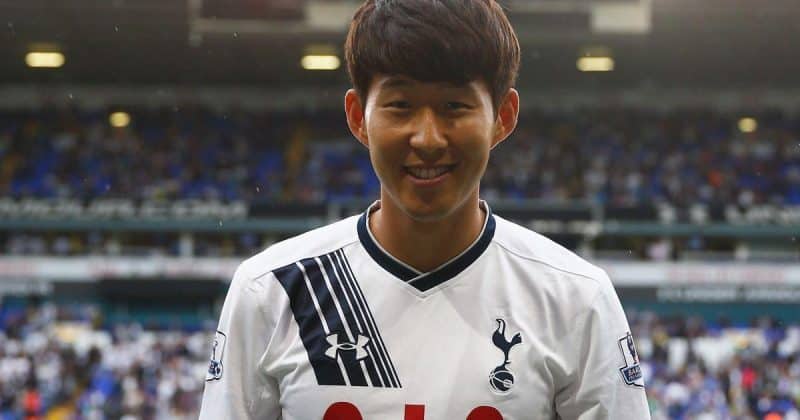
Son Heung-min apologizes after South Korea’s early World Cup exit
The Tottenham captain took to Instagram to express remorse after South Korea were knocked out in the group stage of the 2026 FIFA World Cup.
South Korea’s 2026 FIFA World Cup campaign is over, and captain Son Heung-min wants fans to know he feels it just as much as they do.
On June 29, 2026, Son posted a public apology on Instagram following the team’s group stage elimination, a result that sent shockwaves through a football-obsessed nation that had expected far more from one of Asia’s most celebrated squads.
What went wrong
The decisive blow came via a loss to South Africa, a result that sealed South Korea’s fate before the knockout rounds.
Perhaps the most telling detail: this was the first World Cup since 2014 where Son started a match on the bench, a shift in his role that did not go unnoticed and drew significant scrutiny from fans and pundits alike.
Coach Hong Myung-bo bore the brunt of the post-tournament criticism. Hong publicly admitted to potential errors in team selection during the tournament, a rare and candid acknowledgment from a sitting national team coach.
The backlash extended all the way to the presidential office. President Lee Jae-myung called the team’s performance “unacceptable” and personally apologized to the South Korean people.
The news moving money, markets, and the world—before your day starts.
Daily. Free. Join 34,000+ readers across crypto, finance, and policy.
Son’s message to fans
Son expressed genuine remorse to supporters while simultaneously urging them to offer encouragement rather than criticism to the players as they look ahead.
The most quoted line from his message cut through the noise: Son vowed he would “run to death to give you pleasure again.”
At 33, Son is at an age where future World Cup appearances are not guaranteed. The 2030 edition would see him approach 38, which makes the 2026 tournament’s early exit sting that much more for a player who has consistently been the face of Korean football for over a decade.
What this means for Korean football
The tactical decisions that left Son on the bench during a critical match point to a deeper tension between a coach’s system and the demands of a squad built around a generational talent.
Hong Myung-bo’s admission of selection errors, while refreshingly honest, does not answer the bigger question of where Korean football goes from here.
President Lee’s public condemnation adds a political dimension that Korean football will need to navigate carefully.