
South Korea holds rates steady amid Middle East conflict uncertainties
Strait of Hormuz Traffic
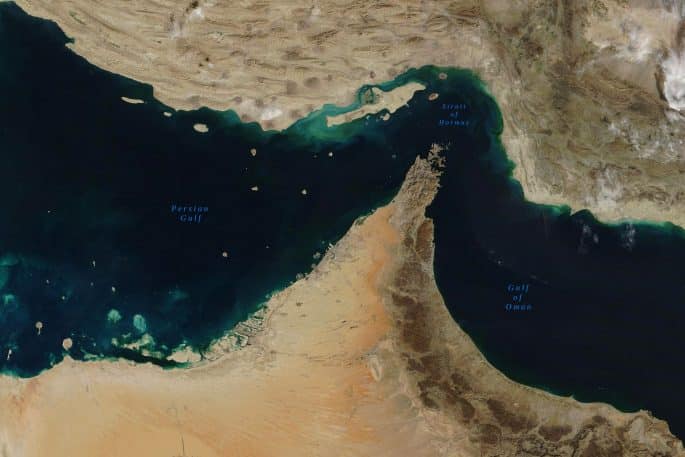
South Korea’s central bank is holding rates steady, citing uncertainties from the Middle East conflict. The Strait of Hormuz traffic normalization market sits at
Market reaction
The rate hold reflects geopolitical concerns shared across Asian central banks. The Bank of Japan’s April meeting market is at 0.1% YES, unchanged from a week ago. Traders are betting heavily against a BOJ rate cut, consistent with the cautious posture South Korea just adopted.
The Strait of Hormuz traffic market shows deep skepticism about a quick resolution, with 21 days until the May 15 resolution date. The drop in odds reflects persistent shipping disruptions tied to the ongoing conflict, which continues to affect energy supply and trade routes. The largest recent move was a 2-point spike, showing some volatility but an overall bearish trend.
Why it matters
Liquidity tells two different stories here. The Strait of Hormuz market trades at $36,459 in actual USDC daily, with $4,658 needed to move the price 5 points, a moderately thick order book. The Bank of Japan market trades $19 in actual USDC daily, meaning even small orders can cause large swings.
South Korea’s decision to hold rates reinforces how directly Middle East tensions are shaping monetary policy across Asia. The Hormuz market’s slide from 20% to 14.5% in a single day suggests traders see no near-term path to normalization.
Macro, rates, and crypto—what moved markets and what matters next.
Daily. Free. Join 34,000+ readers across crypto, finance, and policy.
What to watch
At
API CTA
Get live prediction-market analysis, powered by Vera. Sign up for Vera.