
Nexo Earn with Nexo
South Pars Gas Complex petrochemical facility bombed amid escalating Iran conflict

South Pars Gas Complex petrochemical facility bombed amid escalating Iran conflict

Israeli strikes on Iran's largest gas complex threaten 12% of the country's gas output and send global energy prices surging by as much as 50%

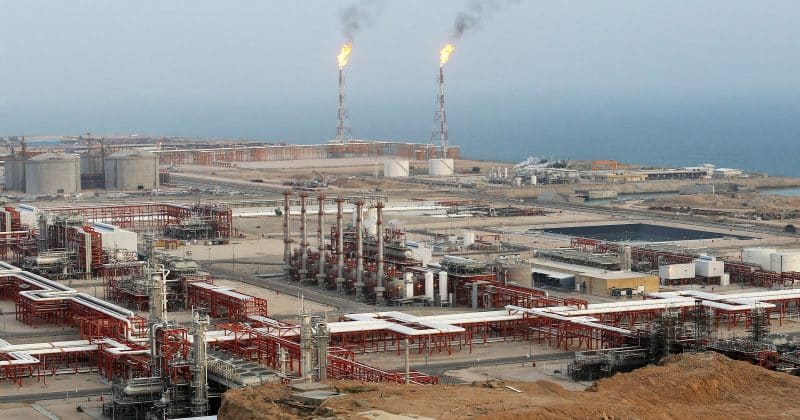
A petrochemical facility at the South Pars Gas Complex in Asaluyeh, Iran, has been bombed, according to reports from an IRGC-affiliated news channel. The strike targets the heart of Iran’s energy infrastructure, hitting a complex that sits atop the world’s largest natural gas field, one Iran shares with Qatar’s North Field.

South Pars is responsible for roughly 85% of Iran’s petrochemical exports.

What happened at South Pars

The latest strike hit the largest petrochemical plant at the South Pars site. Israeli Defense Minister Israel Katz described the attacks as “powerful strikes,” framing them as part of a deliberate campaign to degrade Iran’s energy capabilities during the ongoing 2026 conflict.

Advertisement

On March 18, 2026, Israeli airstrikes struck multiple phases of the South Pars natural gas field, damaging pipelines and storage tanks. Two refineries were forced to shut down entirely. Those two refineries had a combined capacity of around 100 million cubic meters of gas per day, roughly 12% of Iran’s total gas output.

The follow-up strike, reported on or around April 6, 2026, escalated the damage further by targeting the petrochemical plant that serves as the backbone of Iran’s export economy.

Energy markets react sharply

Asian and European oil and natural gas benchmarks surged by approximately 40-50% as traders priced in the growing risk of sustained supply disruptions from the Persian Gulf.

The Strait of Hormuz, through which roughly a fifth of the world’s oil passes daily, sits within striking distance of any retaliatory action Iran might take.

The broader conflict and what investors should watch

Qatar’s North Field, which shares the same geological reservoir as South Pars, is the foundation of Qatar’s LNG export empire. While the strikes have targeted Iranian facilities specifically, any broader destabilization of the region raises questions about the security of the entire gas field system.

Disclosure: This article was edited by Editorial Team. For more information on how we create and review content, see our Editorial Policy.

South Pars Gas Complex petrochemical facility bombed amid escalating Iran conflict

South Pars Gas Complex petrochemical facility bombed amid escalating Iran conflict

Israeli strikes on Iran's largest gas complex threaten 12% of the country's gas output and send global energy prices surging by as much as 50%

A petrochemical facility at the South Pars Gas Complex in Asaluyeh, Iran, has been bombed, according to reports from an IRGC-affiliated news channel. The strike targets the heart of Iran’s energy infrastructure, hitting a complex that sits atop the world’s largest natural gas field, one Iran shares with Qatar’s North Field.

South Pars is responsible for roughly 85% of Iran’s petrochemical exports.

What happened at South Pars

The latest strike hit the largest petrochemical plant at the South Pars site. Israeli Defense Minister Israel Katz described the attacks as “powerful strikes,” framing them as part of a deliberate campaign to degrade Iran’s energy capabilities during the ongoing 2026 conflict.

Advertisement

On March 18, 2026, Israeli airstrikes struck multiple phases of the South Pars natural gas field, damaging pipelines and storage tanks. Two refineries were forced to shut down entirely. Those two refineries had a combined capacity of around 100 million cubic meters of gas per day, roughly 12% of Iran’s total gas output.

The follow-up strike, reported on or around April 6, 2026, escalated the damage further by targeting the petrochemical plant that serves as the backbone of Iran’s export economy.

Energy markets react sharply

Asian and European oil and natural gas benchmarks surged by approximately 40-50% as traders priced in the growing risk of sustained supply disruptions from the Persian Gulf.

The Strait of Hormuz, through which roughly a fifth of the world’s oil passes daily, sits within striking distance of any retaliatory action Iran might take.

The broader conflict and what investors should watch

Qatar’s North Field, which shares the same geological reservoir as South Pars, is the foundation of Qatar’s LNG export empire. While the strikes have targeted Iranian facilities specifically, any broader destabilization of the region raises questions about the security of the entire gas field system.

Disclosure: This article was edited by Editorial Team. For more information on how we create and review content, see our Editorial Policy.