
Nexo Earn with Nexo
S&P 500 surges 1.3% as US-Iran deal sparks global market rally and oil price drop

S&P 500 surges 1.3% as US-Iran deal sparks global market rally and oil price drop

A tentative agreement to end the four-month conflict sent stocks soaring, oil tumbling, and even Bitcoin climbing toward $64,000

Wall Street just had its best day in months, and the catalyst wasn’t an earnings beat or a Fed pivot. It was diplomacy.

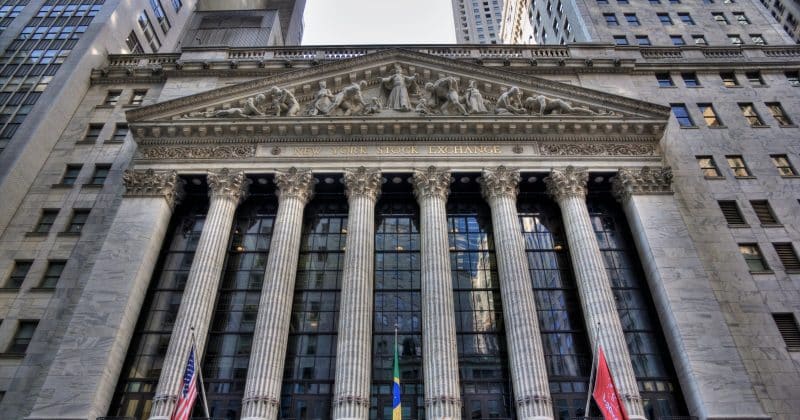
The S&P 500 jumped 1.3% on June 15 after the US and Iran announced a tentative deal to end a conflict that has rattled global markets since late February. The Dow Jones Industrial Average climbed 607 points, hitting a record intraday high. The Nasdaq Composite outpaced both with a 2.2% gain, as tech stocks led the charge higher on renewed risk appetite.

Oil prices, meanwhile, moved in the opposite direction. WTI and Brent crude fell more than $3 to $4 per barrel as traders priced in the reopening of the Strait of Hormuz, one of the world’s most critical chokepoints for energy supply. Roughly 20% of the world’s oil passes through that narrow waterway.

Advertisement

What the deal actually means

The US-Iran conflict began after American and Israeli military strikes on Iran around February 28. The resulting standoff, which lasted over 100 days, centered largely on Iran’s disruption of traffic through the Strait of Hormuz. That disruption sent oil prices spiking and injected a geopolitical risk premium into virtually every asset class.

President Donald Trump announced the framework for the new agreement and authorized immediate steps to alleviate the naval blockade. The deal is the product of ceasefire negotiations and de-escalation efforts that had been building throughout May and early June.

The rally wasn’t confined to US exchanges. Stock markets rose worldwide as investors globally recalibrated their risk assessments.

Crypto catches a tailwind

The risk-on sentiment spilled into digital assets too. Bitcoin surged toward $64,000, gaining roughly 1% to 1.4% in intraday trading. The total cryptocurrency market capitalization hovered near $2.2 trillion.

Bitcoin has increasingly behaved like a risk asset correlated with broader market sentiment rather than the uncorrelated hedge its earliest advocates envisioned. When the S&P rallies on geopolitical relief, Bitcoin tends to follow. When fear spikes, both sell off.

What this means for investors

The most immediate implication is for energy markets. If the Strait of Hormuz fully reopens and oil supply normalizes, the elevated crude prices that have persisted since March could come down meaningfully. That would ease inflationary pressures, potentially giving the Federal Reserve more flexibility on monetary policy.

For equity investors, the Dow’s record intraday high suggests that the market views the deal as more than a one-day trade. Sectors that suffered most during the conflict, energy-dependent industrials, airlines, shipping companies, could see continued recovery if the deal holds.

Disclosure: This article was edited by Editorial Team. For more information on how we create and review content, see our Editorial Policy.

S&P 500 surges 1.3% as US-Iran deal sparks global market rally and oil price drop

S&P 500 surges 1.3% as US-Iran deal sparks global market rally and oil price drop

A tentative agreement to end the four-month conflict sent stocks soaring, oil tumbling, and even Bitcoin climbing toward $64,000

Wall Street just had its best day in months, and the catalyst wasn’t an earnings beat or a Fed pivot. It was diplomacy.

The S&P 500 jumped 1.3% on June 15 after the US and Iran announced a tentative deal to end a conflict that has rattled global markets since late February. The Dow Jones Industrial Average climbed 607 points, hitting a record intraday high. The Nasdaq Composite outpaced both with a 2.2% gain, as tech stocks led the charge higher on renewed risk appetite.

Oil prices, meanwhile, moved in the opposite direction. WTI and Brent crude fell more than $3 to $4 per barrel as traders priced in the reopening of the Strait of Hormuz, one of the world’s most critical chokepoints for energy supply. Roughly 20% of the world’s oil passes through that narrow waterway.

Advertisement

What the deal actually means

The US-Iran conflict began after American and Israeli military strikes on Iran around February 28. The resulting standoff, which lasted over 100 days, centered largely on Iran’s disruption of traffic through the Strait of Hormuz. That disruption sent oil prices spiking and injected a geopolitical risk premium into virtually every asset class.

President Donald Trump announced the framework for the new agreement and authorized immediate steps to alleviate the naval blockade. The deal is the product of ceasefire negotiations and de-escalation efforts that had been building throughout May and early June.

The rally wasn’t confined to US exchanges. Stock markets rose worldwide as investors globally recalibrated their risk assessments.

Crypto catches a tailwind

The risk-on sentiment spilled into digital assets too. Bitcoin surged toward $64,000, gaining roughly 1% to 1.4% in intraday trading. The total cryptocurrency market capitalization hovered near $2.2 trillion.

Bitcoin has increasingly behaved like a risk asset correlated with broader market sentiment rather than the uncorrelated hedge its earliest advocates envisioned. When the S&P rallies on geopolitical relief, Bitcoin tends to follow. When fear spikes, both sell off.

What this means for investors

The most immediate implication is for energy markets. If the Strait of Hormuz fully reopens and oil supply normalizes, the elevated crude prices that have persisted since March could come down meaningfully. That would ease inflationary pressures, potentially giving the Federal Reserve more flexibility on monetary policy.

For equity investors, the Dow’s record intraday high suggests that the market views the deal as more than a one-day trade. Sectors that suffered most during the conflict, energy-dependent industrials, airlines, shipping companies, could see continued recovery if the deal holds.

Disclosure: This article was edited by Editorial Team. For more information on how we create and review content, see our Editorial Policy.