
SpaceX plans to offer AI compute at extremely high scale, says Musk
Elon Musk envisions orbital data centers powered by solar energy and connected through Starlink as the future of AI infrastructure.
Elon Musk is now pitching SpaceX as an AI compute provider. Musk stated that SpaceX will offer AI compute at high scale through a partnership with Anthropic, the company behind the Claude AI model, while also noting ongoing discussions with other companies. The vision: turning the orbital infrastructure SpaceX is already building into a computing backbone that could rival, and eventually undercut, Earth-bound data centers.
Space-based supercomputing, explained
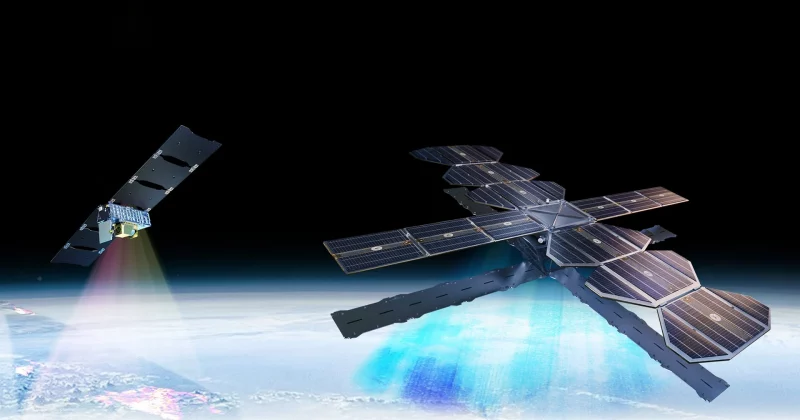
The concept centers on Starlink V3 satellites equipped with Tesla AI chips, forming what would essentially be a decentralized supercomputer network in orbit. These satellites would be solar-powered, eliminating the massive energy costs that make terrestrial data centers so expensive to operate.
At the 2024 Nvidia GTC event, Musk made the bold claim that space-based AI compute could become the lowest-cost option within five years. Traditional data centers consume enormous amounts of electricity, not just for computation but for cooling. A satellite in space has access to uninterrupted solar power and a natural cooling environment that’s about negative 270 degrees Celsius.
SpaceX is also reportedly developing solar-powered orbital data centers as part of a broader integration with xAI, Musk’s AI company that operates the Grok chatbot.
The Anthropic connection and competitive landscape
The mention of Anthropic is particularly interesting. Anthropic has positioned itself as one of the leading AI labs in the world, competing directly with OpenAI and Google DeepMind. A compute partnership with SpaceX would give Anthropic access to infrastructure that its competitors don’t have, at least not yet.
AI, tech, and the markets they move—in one daily briefing.
Daily. Free. Join 34,000+ readers across crypto, finance, and policy.
The formal details of this partnership remain limited. Musk referenced the relationship alongside broader discussions with unnamed companies, suggesting this is still in relatively early stages. Whether Anthropic would use SpaceX compute for training, inference, or both is unclear. Training requires massive, concentrated bursts of compute, while inference demands distributed, always-on capacity.
What this means for investors
SpaceX remains a private company, so public market investors can’t directly buy into this vision.
The decentralized compute sector in crypto deserves attention here too. Neither SpaceX, Starlink, nor xAI has any native token exposure or direct crypto assets associated with them, so there’s no token play here. But increased compute supply from any source puts pressure on the pricing models that decentralized compute protocols depend on.
There’s also the question of latency. Starlink satellites orbit at roughly 550 kilometers, which introduces latency that fiber-connected terrestrial data centers don’t have. For batch processing and model training, this might not matter. For real-time inference powering autonomous vehicles or financial trading algorithms, it could be a dealbreaker.