
 Earn with Nexo
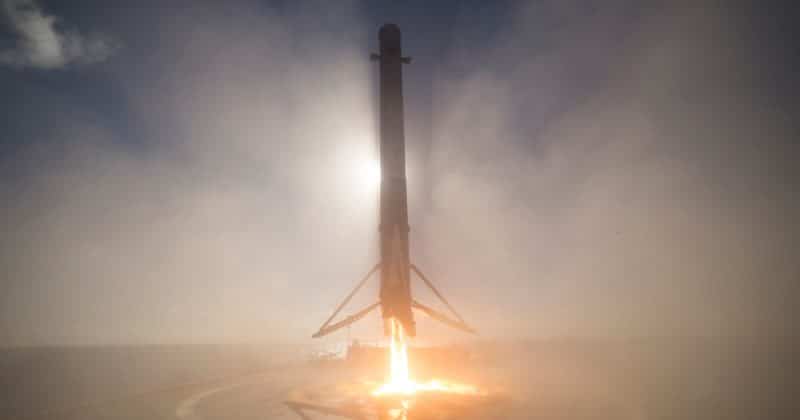
SpaceX IPO sends market cap past $2 trillion in historic first day of trading
The largest IPO in history has investors scrambling, but the $3 trillion claims deserve a closer look
SpaceX made its public market debut on June 12, and shares priced at $135 opened near $150 and kept climbing, surging more than 19% during the session and pushing the company’s market capitalization past $2 trillion within hours of its first trade.
The after-hours session got even more interesting, with some trackers briefly showing a market cap touching $3 trillion. Here’s the thing: Microsoft was trading in the $2.9 trillion range at the time, making any supposed “overtaking” razor-thin at best and unverified at worst.
What actually happened on day one
SpaceX listed with a target valuation of roughly $1.75 trillion. The stock opened at approximately $150 per share and climbed aggressively throughout the day, hitting intraday peaks estimated between $176 and $192.
That price range translated to a market cap exceeding $2 trillion, with some estimates suggesting intraday peaks near $2.5 trillion. Those are real, corroborated figures. The $3 trillion number circulating in after-hours chatter is a different story, one that lacks the same level of verification.
To put the day in context, the company went from a private valuation of roughly $350 billion in late 2024 to somewhere between $800 billion and $1.25 trillion by early 2026, before public markets decided those estimates were far too conservative.
Why investors are this excited
Starlink, SpaceX’s satellite broadband constellation, is already generating real income from connectivity services spanning underserved regions, airlines, maritime fleets, and military operations. Starship, the fully reusable launch vehicle, has fundamentally altered the economics of putting things in orbit, with each successful test and operational flight reducing the unit economics of space access.
What this means for investors
For crypto markets specifically, SpaceX’s IPO doesn’t involve any cryptocurrency assets or blockchain-related products. There are no tokens, no on-chain components, no DeFi integrations. This is a purely traditional equity event, which actually underscores an important reality: the biggest capital market events of 2026 are still happening entirely within legacy financial infrastructure.
The volatility risk here is substantial. A stock that moves 19% on its first day can move 19% in the wrong direction just as easily. The gap between a $1.75 trillion target valuation and a $2.5 trillion intraday market cap suggests that enthusiasm is doing a lot of the heavy lifting.