Nexo Earn with Nexo
SpaceX IPO makes Elon Musk the world’s first trillionaire

SpaceX IPO makes Elon Musk the world’s first trillionaire

The largest market debut in history valued SpaceX at roughly $1.8 trillion, pushing Musk's net worth past the 13-digit threshold

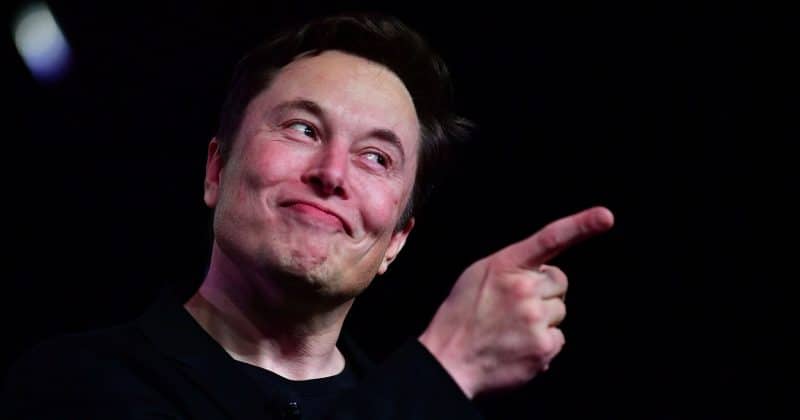
Elon Musk just crossed the $1 trillion mark, becoming the first human being in history to hold a 13-digit fortune. SpaceX debuted on public markets on June 12, 2026, raising approximately $75 billion at a share price of $135. The offering valued the company between $1.77 trillion and $1.8 trillion, making it not just the largest IPO of the year but the largest IPO ever recorded. Those total proceeds exceeded the combined haul of all US IPOs from the previous two years.

The numbers behind the record

SpaceX’s offering was reportedly oversubscribed by more than 2x the available shares. Saudi Aramco’s 2019 debut, which raised about $25.6 billion, had held the crown for nearly seven years. SpaceX tripled that figure.

Advertisement

What’s actually driving the valuation

Starlink, the company’s satellite internet service, has become a genuinely profitable business unit. It provides broadband connectivity to remote and underserved areas across the globe, and its subscriber base has grown rapidly enough to generate meaningful revenue.

SpaceX’s reusable Falcon 9 and Starship rockets have driven launch costs down dramatically compared to competitors, giving the company a structural cost advantage that’s extremely difficult to replicate.

The company also has ambitions in artificial intelligence through xAI.

What this means for investors

This IPO has zero connection to digital assets, blockchain technology, or tokenized equity. SpaceX went the entirely traditional route: shares on a stock exchange, underwriters in suits, the whole legacy finance playbook.

Analysts have cautioned that the valuation carries inherent risks. SpaceX may be generating real revenue through Starlink and launch contracts, but a $1.8 trillion price tag bakes in enormous expectations for future growth. If Starlink subscriber growth plateaus, if launch competition intensifies from players like Blue Origin or Rocket Lab, or if regulatory headwinds emerge around spectrum allocation or government contracting, the stock could face significant pressure.

Disclosure: This article was edited by Editorial Team. For more information on how we create and review content, see our Editorial Policy.

SpaceX IPO makes Elon Musk the world’s first trillionaire

SpaceX IPO makes Elon Musk the world’s first trillionaire

The largest market debut in history valued SpaceX at roughly $1.8 trillion, pushing Musk's net worth past the 13-digit threshold

Elon Musk just crossed the $1 trillion mark, becoming the first human being in history to hold a 13-digit fortune. SpaceX debuted on public markets on June 12, 2026, raising approximately $75 billion at a share price of $135. The offering valued the company between $1.77 trillion and $1.8 trillion, making it not just the largest IPO of the year but the largest IPO ever recorded. Those total proceeds exceeded the combined haul of all US IPOs from the previous two years.

The numbers behind the record

SpaceX’s offering was reportedly oversubscribed by more than 2x the available shares. Saudi Aramco’s 2019 debut, which raised about $25.6 billion, had held the crown for nearly seven years. SpaceX tripled that figure.

Advertisement

What’s actually driving the valuation

Starlink, the company’s satellite internet service, has become a genuinely profitable business unit. It provides broadband connectivity to remote and underserved areas across the globe, and its subscriber base has grown rapidly enough to generate meaningful revenue.

SpaceX’s reusable Falcon 9 and Starship rockets have driven launch costs down dramatically compared to competitors, giving the company a structural cost advantage that’s extremely difficult to replicate.

The company also has ambitions in artificial intelligence through xAI.

What this means for investors

This IPO has zero connection to digital assets, blockchain technology, or tokenized equity. SpaceX went the entirely traditional route: shares on a stock exchange, underwriters in suits, the whole legacy finance playbook.

Analysts have cautioned that the valuation carries inherent risks. SpaceX may be generating real revenue through Starlink and launch contracts, but a $1.8 trillion price tag bakes in enormous expectations for future growth. If Starlink subscriber growth plateaus, if launch competition intensifies from players like Blue Origin or Rocket Lab, or if regulatory headwinds emerge around spectrum allocation or government contracting, the stock could face significant pressure.

Disclosure: This article was edited by Editorial Team. For more information on how we create and review content, see our Editorial Policy.