
Nexo Earn with Nexo
SpaceX eyes $1.75T valuation in IPO next week, potentially making Musk the world’s first trillionaire

SpaceX eyes $1.75T valuation in IPO next week, potentially making Musk the world’s first trillionaire

The rocket company plans to sell less than 5% of its shares and raise roughly $75 billion in what would be one of the largest public offerings in history.

SpaceX is set to go public next week with a target valuation of approximately $1.75 trillion, a figure that would make it the most valuable company to ever hit the public markets on day one. The listing is expected on the Nasdaq under the ticker SPCX, with pricing scheduled for June 11 and formal trading beginning June 12.

The company plans to sell less than 5% of its outstanding shares, raising roughly $75 billion in the process. To put that in perspective, Saudi Aramco’s record-breaking 2019 IPO raised about $25.6 billion. SpaceX is aiming to nearly triple that in a single offering.

The road to listing

SpaceX filed confidentially with the SEC back in April 2026, with the details becoming public around May 20-21. A roadshow is set to kick off on June 8, giving institutional investors a few days to evaluate the pitch before pricing locks in on June 11.

Advertisement

The original target valuation reportedly exceeded $2 trillion. That number was adjusted downward to the current $1.75 trillion range due to what sources describe as various market factors.

The numbers behind the rocket

In Q1 2026, the company reported a net loss of $4.28 billion and an operating loss of $1.9 billion. Much of that red ink stems from heavy investments in AI and computational infrastructure, areas where SpaceX has been expanding beyond its core launch and satellite businesses.

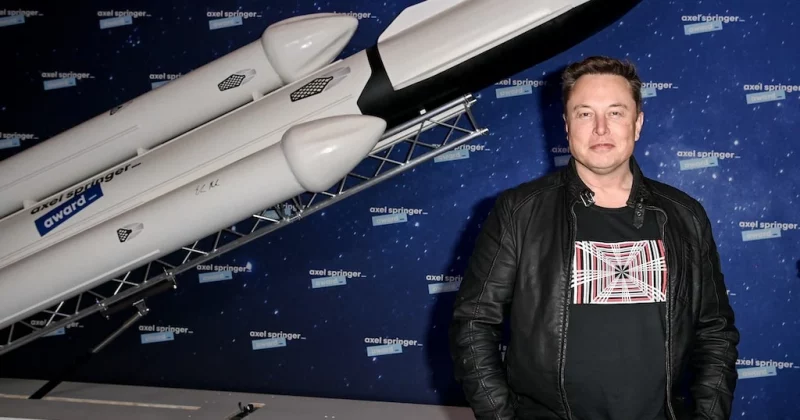
Elon Musk remains SpaceX’s largest shareholder. If the IPO prices at the expected valuation, his stake could push his net worth past the trillion-dollar threshold, making him the world’s first trillionaire on paper.

What this means for investors

The competitive implications are significant. Companies like Blue Origin, Rocket Lab, and other launch providers will find themselves benchmarked against a publicly traded SpaceX with a concrete market capitalization. Starlink competitors in the satellite broadband space, including Amazon’s Project Kuiper, will face a rival that just unlocked tens of billions in fresh capital.

There’s also the wealth creation angle. SpaceX employees who’ve held equity for years are finally getting a liquidity event. The last major tech wealth unlock of this scale came from early Meta and Google employees.

The risk side of the equation is straightforward: SpaceX is asking public investors to pay a $1.75 trillion price tag for a company that just lost $4.28 billion in a quarter. If Starlink subscriber growth plateaus, if launch cadence stumbles, or if the AI infrastructure bet fails to generate returns, that valuation becomes very hard to defend.

Disclosure: This article was edited by Editorial Team. For more information on how we create and review content, see our Editorial Policy.

SpaceX eyes $1.75T valuation in IPO next week, potentially making Musk the world’s first trillionaire

SpaceX eyes $1.75T valuation in IPO next week, potentially making Musk the world’s first trillionaire

The rocket company plans to sell less than 5% of its shares and raise roughly $75 billion in what would be one of the largest public offerings in history.

SpaceX is set to go public next week with a target valuation of approximately $1.75 trillion, a figure that would make it the most valuable company to ever hit the public markets on day one. The listing is expected on the Nasdaq under the ticker SPCX, with pricing scheduled for June 11 and formal trading beginning June 12.

The company plans to sell less than 5% of its outstanding shares, raising roughly $75 billion in the process. To put that in perspective, Saudi Aramco’s record-breaking 2019 IPO raised about $25.6 billion. SpaceX is aiming to nearly triple that in a single offering.

The road to listing

SpaceX filed confidentially with the SEC back in April 2026, with the details becoming public around May 20-21. A roadshow is set to kick off on June 8, giving institutional investors a few days to evaluate the pitch before pricing locks in on June 11.

Advertisement

The original target valuation reportedly exceeded $2 trillion. That number was adjusted downward to the current $1.75 trillion range due to what sources describe as various market factors.

The numbers behind the rocket

In Q1 2026, the company reported a net loss of $4.28 billion and an operating loss of $1.9 billion. Much of that red ink stems from heavy investments in AI and computational infrastructure, areas where SpaceX has been expanding beyond its core launch and satellite businesses.

Elon Musk remains SpaceX’s largest shareholder. If the IPO prices at the expected valuation, his stake could push his net worth past the trillion-dollar threshold, making him the world’s first trillionaire on paper.

What this means for investors

The competitive implications are significant. Companies like Blue Origin, Rocket Lab, and other launch providers will find themselves benchmarked against a publicly traded SpaceX with a concrete market capitalization. Starlink competitors in the satellite broadband space, including Amazon’s Project Kuiper, will face a rival that just unlocked tens of billions in fresh capital.

There’s also the wealth creation angle. SpaceX employees who’ve held equity for years are finally getting a liquidity event. The last major tech wealth unlock of this scale came from early Meta and Google employees.

The risk side of the equation is straightforward: SpaceX is asking public investors to pay a $1.75 trillion price tag for a company that just lost $4.28 billion in a quarter. If Starlink subscriber growth plateaus, if launch cadence stumbles, or if the AI infrastructure bet fails to generate returns, that valuation becomes very hard to defend.

Disclosure: This article was edited by Editorial Team. For more information on how we create and review content, see our Editorial Policy.