
Nexo Earn with Nexo
SpaceX secures $4.16B contract from US Space Force for airborne threat tracking

SpaceX secures $4.16B contract from US Space Force for airborne threat tracking

The deal tasks Elon Musk's rocket company with building a satellite constellation that can track aircraft and cruise missiles from low-Earth orbit.

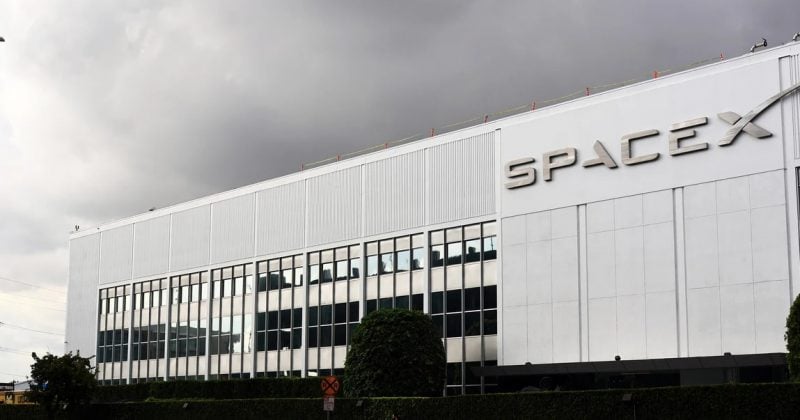
SpaceX just landed one of the largest space defense contracts in recent memory. The US Space Force awarded the company a $4.16 billion agreement to develop a satellite-based system capable of tracking and targeting airborne threats globally, including aircraft and cruise missiles.

The contract, structured as an Other Transaction Authority (OTA) agreement, covers the Space-Based Airborne Moving Target Indicator program, or SB-AMTI. In English: a constellation of satellites in low-Earth orbit that can watch the skies in real time and tell military commanders exactly where threatening objects are moving.

Here’s the thing. This isn’t even the only massive contract SpaceX picked up this week. Just three days earlier, the company secured a separate $2.29 billion deal for something called the Space Data Network Backbone, a secure military communications system also built on a proliferated satellite constellation. Combined, that’s roughly $6.45 billion in Space Force contracts in under a week.

What the SB-AMTI program actually does

The SB-AMTI program falls under the Space Force’s broader Space Based Sensing and Targeting portfolio, which represents a deliberate strategic pivot away from legacy surveillance architectures toward space-based sensors that can deliver real-time situational awareness across any theater of operations.

Advertisement

SpaceX was selected from a competitive multi-vendor pool that was announced at the Space Symposium in April 2026. Winning both the SB-AMTI contract and the Space Data Network Backbone deal from the same competitive process signals that the Space Force sees SpaceX as more than just a launch provider.

The work will likely be handled through SpaceX’s Starshield division, the government-focused arm of the company that builds on Starlink technology but adds enhanced encryption and security features tailored for military and intelligence applications.

The bigger picture for space defense

The OTA agreement structure is worth noting. Unlike traditional Federal Acquisition Regulation contracts, OTAs give the government more flexibility to work with commercial companies on prototyping and development, designed to move faster and cut through bureaucratic red tape.

The competitive vendor pool approach also tells us something about how the Space Force is thinking about acquisition. Rather than a traditional winner-take-all competition decided years in advance, the Space Force established a pool of qualified vendors and then selected from among them.

What this means for investors

SpaceX remains private, so public market investors can’t directly buy shares. But the Space Force is routing billions of dollars toward proliferated low-Earth orbit constellations instead of traditional defense systems, creating both winners and losers across the industry.

Traditional defense contractors that have historically dominated military satellite programs, companies like Lockheed Martin, Northrop Grumman, and L3Harris, now face a competitor that can undercut them on cost while matching or exceeding their launch cadence.

The risk to watch is concentration. The Space Force awarding two contracts worth a combined $6.45 billion to a single company in one week raises questions about vendor diversification. If SpaceX encounters production delays or technical setbacks on either program, there’s no immediate backup.

Disclosure: This article was edited by Editorial Team. For more information on how we create and review content, see our Editorial Policy.

SpaceX secures $4.16B contract from US Space Force for airborne threat tracking

SpaceX secures $4.16B contract from US Space Force for airborne threat tracking

The deal tasks Elon Musk's rocket company with building a satellite constellation that can track aircraft and cruise missiles from low-Earth orbit.

SpaceX just landed one of the largest space defense contracts in recent memory. The US Space Force awarded the company a $4.16 billion agreement to develop a satellite-based system capable of tracking and targeting airborne threats globally, including aircraft and cruise missiles.

The contract, structured as an Other Transaction Authority (OTA) agreement, covers the Space-Based Airborne Moving Target Indicator program, or SB-AMTI. In English: a constellation of satellites in low-Earth orbit that can watch the skies in real time and tell military commanders exactly where threatening objects are moving.

Here’s the thing. This isn’t even the only massive contract SpaceX picked up this week. Just three days earlier, the company secured a separate $2.29 billion deal for something called the Space Data Network Backbone, a secure military communications system also built on a proliferated satellite constellation. Combined, that’s roughly $6.45 billion in Space Force contracts in under a week.

What the SB-AMTI program actually does

The SB-AMTI program falls under the Space Force’s broader Space Based Sensing and Targeting portfolio, which represents a deliberate strategic pivot away from legacy surveillance architectures toward space-based sensors that can deliver real-time situational awareness across any theater of operations.

Advertisement

SpaceX was selected from a competitive multi-vendor pool that was announced at the Space Symposium in April 2026. Winning both the SB-AMTI contract and the Space Data Network Backbone deal from the same competitive process signals that the Space Force sees SpaceX as more than just a launch provider.

The work will likely be handled through SpaceX’s Starshield division, the government-focused arm of the company that builds on Starlink technology but adds enhanced encryption and security features tailored for military and intelligence applications.

The bigger picture for space defense

The OTA agreement structure is worth noting. Unlike traditional Federal Acquisition Regulation contracts, OTAs give the government more flexibility to work with commercial companies on prototyping and development, designed to move faster and cut through bureaucratic red tape.

The competitive vendor pool approach also tells us something about how the Space Force is thinking about acquisition. Rather than a traditional winner-take-all competition decided years in advance, the Space Force established a pool of qualified vendors and then selected from among them.

What this means for investors

SpaceX remains private, so public market investors can’t directly buy shares. But the Space Force is routing billions of dollars toward proliferated low-Earth orbit constellations instead of traditional defense systems, creating both winners and losers across the industry.

Traditional defense contractors that have historically dominated military satellite programs, companies like Lockheed Martin, Northrop Grumman, and L3Harris, now face a competitor that can undercut them on cost while matching or exceeding their launch cadence.

The risk to watch is concentration. The Space Force awarding two contracts worth a combined $6.45 billion to a single company in one week raises questions about vendor diversification. If SpaceX encounters production delays or technical setbacks on either program, there’s no immediate backup.

Disclosure: This article was edited by Editorial Team. For more information on how we create and review content, see our Editorial Policy.