
SpaceX trademarks SpaceXAI for satellite-based AI services
Two new USPTO filings reveal plans for orbital data centers, AI software-as-a-service, and the full absorption of xAI under SpaceX's brand
SpaceX has filed two trademark applications for the wordmark “SpaceXAI” with the United States Patent and Trademark Office, covering services that range from satellite-based data center operations to orbital computing infrastructure to AI software-as-a-service.
The filings landed in early May 2026, just a few months after SpaceX completed its acquisition of xAI in February. That deal folded Musk’s standalone AI venture, the one behind the Grok chatbot, into the SpaceX mothership. Musk confirmed at the time that xAI would be dissolved as an independent entity, with all AI products rebranded under the SpaceXAI name.
From chatbot to orbit
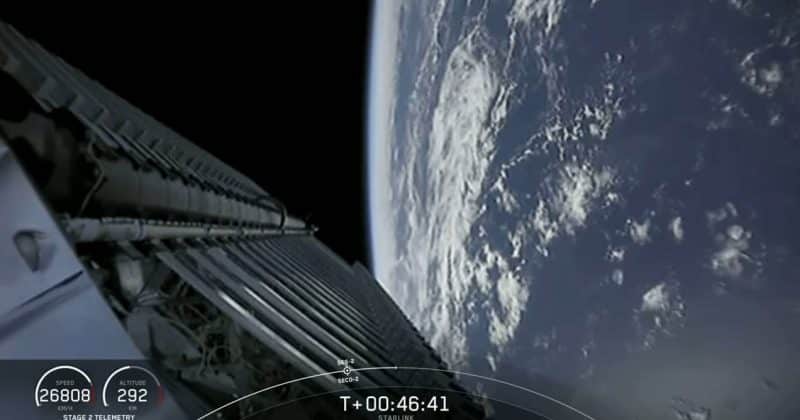
The trademark covers satellite-based data centers, orbital computing, and AI-enhanced satellite constellations, suggesting that SpaceX wants its Starlink network to do far more than beam internet to rural cabins.
Musk has previously discussed ambitions to deploy large numbers of AI satellites into orbit. These trademark applications turn that talk into paperwork.
xAI was founded by Musk in 2023. Its flagship product, the Grok chatbot, gained traction as an alternative to ChatGPT, particularly among users on X (formerly Twitter).
AI, tech, and the markets they move—in one daily briefing.
Daily. Free. Join 34,000+ readers across crypto, finance, and policy.
The trillion-dollar pivot
SpaceX has been preparing for an initial public offering. Following the xAI merger, SpaceX was valued at approximately $1.25 trillion. More recent estimates have pushed that figure closer to $1.75 trillion.
The AI division is expected to drive substantial capital expenditures going forward. SpaceX has the rockets to get the hardware into orbit and the satellite network to connect it all — controlling the entire stack from launchpad to algorithm.
What this means for investors and competitors
For potential IPO investors, the SpaceXAI brand represents a growth narrative that extends well beyond launch services. SpaceX was already dominant in the commercial launch market and had built Starlink into the world’s largest satellite internet constellation.
Cloud computing giants like Amazon Web Services, Microsoft Azure, and Google Cloud have spent years building terrestrial data center empires. SpaceX is now signaling it wants to build a parallel infrastructure in space, potentially serving markets like remote military operations, maritime industries, or regions with limited ground-based connectivity.
Satellite-based AI processing could enable real-time analysis of imagery, signals, and sensor data without routing everything back to ground stations, with obvious national security applications.