
SPACs rebound amid Wall Street’s mega-IPO frenzy
Blank-check companies now account for 69% of US IPO deal volume as SpaceX's historic listing reignites appetite for alternative public market vehicles
Remember when SPACs were supposed to be dead? The blank-check boom of 2020-2021 ended with regulatory crackdowns, investor losses, and a collective agreement that maybe we’d all gotten a little too excited. Fast forward to 2026, and SPACs are commanding 69% of US IPO deal volume in the first quarter alone.
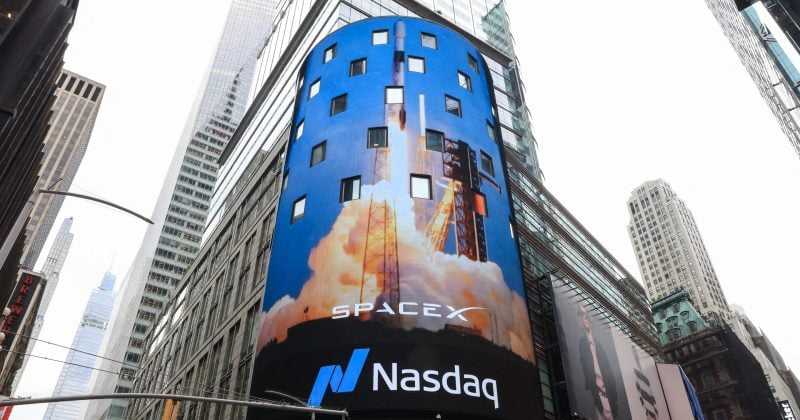
The catalyst isn’t hard to identify. SpaceX’s June 12 debut raised roughly $75 billion at a valuation exceeding $1.75 trillion, making it the largest IPO in history.
The numbers behind the comeback
The groundwork for this revival was laid throughout 2025, when 144 SPAC deals closed and raised over $30 billion in total. That’s a meaningful rebound from the drought years, when blank-check companies were treated like financial pariahs by investors still nursing wounds from the last cycle.
Now in 2026, the pace has accelerated sharply. Nearly seven out of every ten IPO deals in the first quarter were SPACs. In English: for every traditional IPO that hit the market, there were roughly two blank-check listings alongside it.
Where crypto intersects with the SPAC revival
This isn’t purely a traditional finance story. The crypto industry has inserted itself into the SPAC narrative in multiple ways, and the SpaceX listing is a useful case study.
Tokenized SpaceX shares appeared on platforms including Bybit and Binance, with pre-IPO demand exceeding $1 billion. That’s blockchain infrastructure being used to give retail investors synthetic exposure to a stock before it even started trading on a traditional exchange.
AI, tech, and the markets they move—in one daily briefing.
Daily. Free. Join 34,000+ readers across crypto, finance, and policy.
Then there’s the direct corporate connection. SpaceX reportedly holds about 18,712 Bitcoin worth approximately $1.3 billion following its IPO. That puts Elon Musk’s rocket company in the small but growing club of publicly traded firms with meaningful Bitcoin treasury positions, sitting alongside MicroStrategy and a handful of others.
CoinShares, the European digital asset investment firm, completed its own SPAC merger to list on Nasdaq back in March 2026. It’s a clean example of a crypto-native company using the blank-check vehicle to access US public markets, the exact pathway that fell out of favor when SPACs cratered a few years ago.
What this means for investors
Look, the last SPAC boom left a lot of retail investors holding bags. Many blank-check mergers from 2020 and 2021 resulted in companies trading well below their initial $10 reference price. The structural incentives in SPACs, where sponsors get favorable terms and retail investors absorb dilution, haven’t fundamentally changed.
The tokenization angle adds a new wrinkle. Pre-IPO demand for tokenized SpaceX shares exceeding $1 billion suggests there’s a significant pool of capital that wants exposure to high-profile listings but can’t, or won’t, access them through traditional brokerage channels.
For crypto-specific investors, the CoinShares Nasdaq listing via SPAC merger is worth watching as a template. That would give investors a way to gain exposure to crypto infrastructure companies through regulated equity markets rather than through token purchases alone.
The risk, naturally, is that history rhymes. The 2020-2021 SPAC mania saw hundreds of deals where the primary beneficiaries were sponsors and early investors, not the retail participants who bought in after the merger. A 69% share of IPO deal volume is a striking number, but volume alone doesn’t indicate quality.
Buying a tokenized SpaceX share on Binance is a fundamentally different experience, legally and practically, than buying the stock through a US brokerage.