
Spain wins the 2026 FIFA World Cup as Trump, crypto, and prediction markets steal the subplot

Spain wins the 2026 FIFA World Cup as Trump, crypto, and prediction markets steal the subplot

A Torres goal in extra time ended Argentina's dreams, but the tournament's real story was $50 billion in prediction market volume and blockchain-powered ticketing

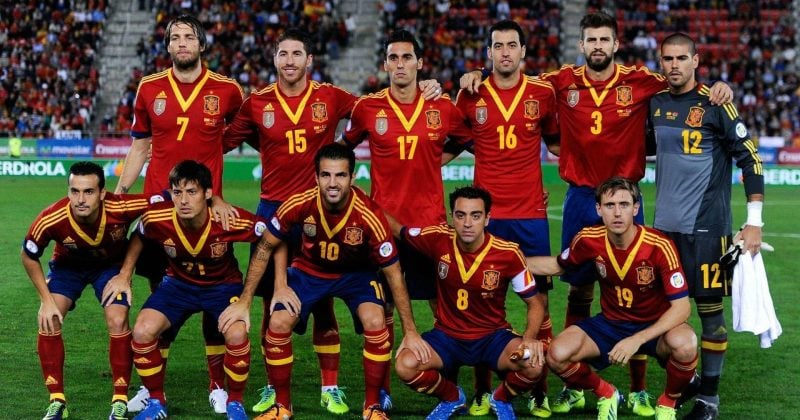
Spain are world champions. Again. A single goal from Torres in the 106th minute gave Spain a 1-0 victory over Argentina in the 2026 FIFA World Cup final at MetLife Stadium in New Jersey on July 19, with 80,663 fans inside the ground watching one of the most tightly contested finals in recent memory.

President Donald Trump joined FIFA President Gianni Infantino on the pitch for the trophy presentation, a moment that drew a distinctly mixed response from the crowd. Cheers and boos, in roughly equal measure.

The match itself

Torres finally broke the deadlock in the first period of extra time, and Spain held on for the final whistle.

FIFA added a new wrinkle to the winners’ ceremony this year: championship rings, borrowing a page from American sports culture to mark the occasion. Given that the tournament was hosted across the United States, Canada, and Mexico, the aesthetic choice made a certain kind of sense.

Advertisement

Where crypto quietly won the tournament

Kraken served as the Official Crypto Exchange Supporter for the 2026 World Cup. That title is not just a banner on a stadium wall. It placed a major crypto exchange alongside Coca-Cola and Adidas in the official sponsor tier, a placement that would have seemed implausible five years ago.

Avalanche’s blockchain handled FIFA’s ticketing infrastructure for the tournament. The goal was reducing ticket scalping, a problem that has plagued major sporting events for decades. Instead of resellers flipping tickets on secondary markets at three times face value, blockchain-based ticketing creates a verifiable, controlled transfer process.

The prediction market number that deserves a second look

Kalshi reported $22.42 billion in volume specifically tied to World Cup prediction markets. Polymarket exceeded $10 billion in total monthly records during the same period. Combined with activity across other platforms, total prediction market volume linked to the tournament crossed $50 billion.

Prediction markets are not traditional sports betting. They are contracts that pay out based on real-world outcomes, and in the United States they occupy a legal gray zone that has been slowly clarifying over the past few years. Kalshi and Polymarket have both fought regulatory battles to expand what they can offer American users.

For crypto investors, the implication is straightforward. Prediction markets require settlement infrastructure, often on-chain. They require stablecoins or tokenized assets for collateral. They require liquidity providers. Every dollar of prediction market volume is, at some level, a dollar that touched crypto rails to get there.

Kraken’s sponsorship deal gives it brand recognition among a global, non-crypto-native audience. Avalanche’s ticketing role gives it a reference case for enterprise blockchain adoption that sales teams will be citing for years.

The risk worth watching is regulatory. A $50 billion prediction market tied to a single sporting event will not go unnoticed by the CFTC, which has jurisdiction over event contracts in the US. The agency has historically taken a cautious approach to expanding prediction market access.

Disclosure: This article was edited by Editorial Team. For more information on how we create and review content, see our Editorial Policy.

Spain wins the 2026 FIFA World Cup as Trump, crypto, and prediction markets steal the subplot

Spain wins the 2026 FIFA World Cup as Trump, crypto, and prediction markets steal the subplot

A Torres goal in extra time ended Argentina's dreams, but the tournament's real story was $50 billion in prediction market volume and blockchain-powered ticketing

Spain are world champions. Again. A single goal from Torres in the 106th minute gave Spain a 1-0 victory over Argentina in the 2026 FIFA World Cup final at MetLife Stadium in New Jersey on July 19, with 80,663 fans inside the ground watching one of the most tightly contested finals in recent memory.

President Donald Trump joined FIFA President Gianni Infantino on the pitch for the trophy presentation, a moment that drew a distinctly mixed response from the crowd. Cheers and boos, in roughly equal measure.

The match itself

Torres finally broke the deadlock in the first period of extra time, and Spain held on for the final whistle.

FIFA added a new wrinkle to the winners’ ceremony this year: championship rings, borrowing a page from American sports culture to mark the occasion. Given that the tournament was hosted across the United States, Canada, and Mexico, the aesthetic choice made a certain kind of sense.

Advertisement

Where crypto quietly won the tournament

Kraken served as the Official Crypto Exchange Supporter for the 2026 World Cup. That title is not just a banner on a stadium wall. It placed a major crypto exchange alongside Coca-Cola and Adidas in the official sponsor tier, a placement that would have seemed implausible five years ago.

Avalanche’s blockchain handled FIFA’s ticketing infrastructure for the tournament. The goal was reducing ticket scalping, a problem that has plagued major sporting events for decades. Instead of resellers flipping tickets on secondary markets at three times face value, blockchain-based ticketing creates a verifiable, controlled transfer process.

The prediction market number that deserves a second look

Kalshi reported $22.42 billion in volume specifically tied to World Cup prediction markets. Polymarket exceeded $10 billion in total monthly records during the same period. Combined with activity across other platforms, total prediction market volume linked to the tournament crossed $50 billion.

Prediction markets are not traditional sports betting. They are contracts that pay out based on real-world outcomes, and in the United States they occupy a legal gray zone that has been slowly clarifying over the past few years. Kalshi and Polymarket have both fought regulatory battles to expand what they can offer American users.

For crypto investors, the implication is straightforward. Prediction markets require settlement infrastructure, often on-chain. They require stablecoins or tokenized assets for collateral. They require liquidity providers. Every dollar of prediction market volume is, at some level, a dollar that touched crypto rails to get there.

Kraken’s sponsorship deal gives it brand recognition among a global, non-crypto-native audience. Avalanche’s ticketing role gives it a reference case for enterprise blockchain adoption that sales teams will be citing for years.

The risk worth watching is regulatory. A $50 billion prediction market tied to a single sporting event will not go unnoticed by the CFTC, which has jurisdiction over event contracts in the US. The agency has historically taken a cautious approach to expanding prediction market access.

Disclosure: This article was edited by Editorial Team. For more information on how we create and review content, see our Editorial Policy.