
Spain’s World Cup final run spotlights the growing gap between sports fandom and fan token markets

Spain’s World Cup final run spotlights the growing gap between sports fandom and fan token markets

Pedri's prediction of reaching the 2026 FIFA World Cup final with Yamal and Williams came true, yet the crypto fan token sector remains eerily quiet.

Pedri González predicted he’d line up alongside Lamine Yamal and Nico Williams in the 2026 FIFA World Cup final. However, as of July 14, 2026, there are no official confirmations of match results concerning the World Cup final lineup, and the prediction lacks external validation and evidence within media reports.

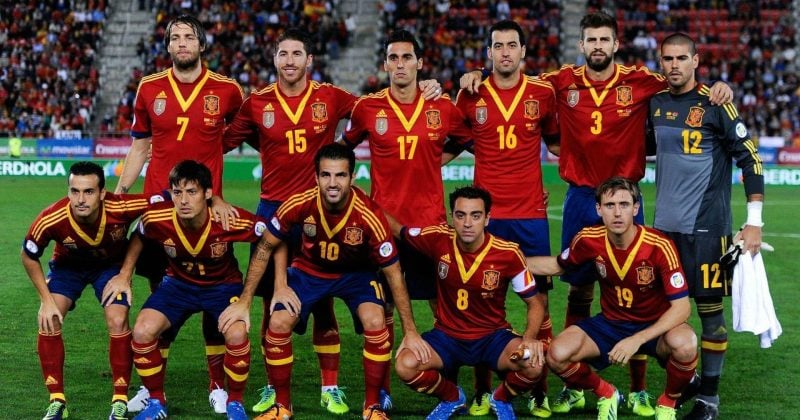
Pedri, Yamal, and Williams are members of Spain’s national football team. Spain won UEFA Euro 2024 with both Yamal and Williams playing significant roles. The 2026 FIFA World Cup is scheduled for June–July 2026, co-hosted by Canada, Mexico, and the United States.

Advertisement

Where are the fan tokens?

Fan tokens were supposed to be crypto’s gateway drug into mainstream sports culture. The fan token sector, largely pioneered by platforms like Socios and Chiliz, saw genuine enthusiasm during the 2021-2022 bull cycle. Major football clubs across Europe signed partnership deals.

No searches yielded results linking the players or the prediction to crypto tokens or blockchain projects. There has been no crypto-native coverage on this topic in the last 30 days. Prediction markets like Polymarket have shown that betting on real-world outcomes using crypto rails can attract serious volume, but this intersection remains dormant in relation to the current World Cup storyline.

Why this gap matters for crypto investors

One reading is that the fan token model simply hasn’t found product-market fit. Another reading is more charitable: the absence of opportunistic token launches around these players could signal that the industry has learned from the cash-grab era of 2021-2022, when every athlete with an Instagram following was launching some kind of digital collectible.

Disclosure: This article was edited by Editorial Team. For more information on how we create and review content, see our Editorial Policy.

Spain’s World Cup final run spotlights the growing gap between sports fandom and fan token markets

Spain’s World Cup final run spotlights the growing gap between sports fandom and fan token markets

Pedri's prediction of reaching the 2026 FIFA World Cup final with Yamal and Williams came true, yet the crypto fan token sector remains eerily quiet.

Pedri González predicted he’d line up alongside Lamine Yamal and Nico Williams in the 2026 FIFA World Cup final. However, as of July 14, 2026, there are no official confirmations of match results concerning the World Cup final lineup, and the prediction lacks external validation and evidence within media reports.

Pedri, Yamal, and Williams are members of Spain’s national football team. Spain won UEFA Euro 2024 with both Yamal and Williams playing significant roles. The 2026 FIFA World Cup is scheduled for June–July 2026, co-hosted by Canada, Mexico, and the United States.

Advertisement

Where are the fan tokens?

Fan tokens were supposed to be crypto’s gateway drug into mainstream sports culture. The fan token sector, largely pioneered by platforms like Socios and Chiliz, saw genuine enthusiasm during the 2021-2022 bull cycle. Major football clubs across Europe signed partnership deals.

No searches yielded results linking the players or the prediction to crypto tokens or blockchain projects. There has been no crypto-native coverage on this topic in the last 30 days. Prediction markets like Polymarket have shown that betting on real-world outcomes using crypto rails can attract serious volume, but this intersection remains dormant in relation to the current World Cup storyline.

Why this gap matters for crypto investors

One reading is that the fan token model simply hasn’t found product-market fit. Another reading is more charitable: the absence of opportunistic token launches around these players could signal that the industry has learned from the cash-grab era of 2021-2022, when every athlete with an Instagram following was launching some kind of digital collectible.

Disclosure: This article was edited by Editorial Team. For more information on how we create and review content, see our Editorial Policy.