
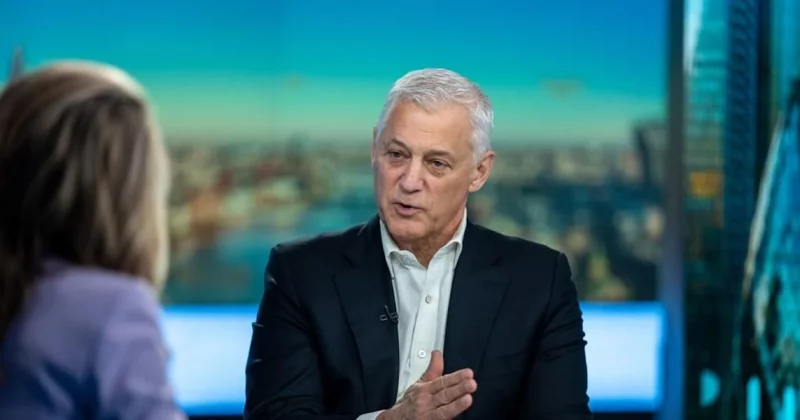
Standard Chartered CEO Bill Winters apologizes for calling AI-replaced staff ‘lower-value human capital’
The bank plans to cut 8,000 back-office roles by 2030, and its CEO just learned that word choice matters when you're eliminating people's livelihoods.
There’s a long list of things you probably shouldn’t call your employees. “Lower-value human capital” is near the top.
Standard Chartered CEO Bill Winters found that out the hard way after describing the bank’s AI-driven workforce reduction in precisely those terms during a media briefing on May 19. The comment, made while outlining plans to eliminate nearly 8,000 back-office support roles by 2030, sparked immediate backlash from employees, regulators, and the general public.
Winters took to LinkedIn on May 22 to issue an apology, acknowledging that his choice of words may have upset colleagues. He reiterated the bank’s stated commitment to transitioning affected employees into what the bank considers “higher-value roles.”
The numbers behind the restructuring
The job cuts represent over 15% of Standard Chartered’s back-office workforce. The elimination timeline stretches to 2030, giving the bank roughly four years to phase out roles it believes AI can handle more efficiently.
Regulators take notice
The fallout extended beyond bad press. Regulatory authorities in both Hong Kong and Singapore sought clarification from Standard Chartered following Winters’ remarks. That’s notable because Standard Chartered’s operations are heavily concentrated in Asia, and regulatory scrutiny in its core markets is not something the bank can brush off.
Despite the controversy, markets barely flinched. Standard Chartered’s share price showed no immediate reaction to either the job cut announcement or the subsequent apology.
Why crypto should be paying attention
Standard Chartered isn’t just a traditional banking giant going through a restructuring cycle. The bank has been actively building out its digital asset capabilities, including stablecoin development and custody services for assets like Bitcoin. The bank’s dual strategy of cutting traditional roles while investing in blockchain infrastructure tells you something about where management sees the future.