
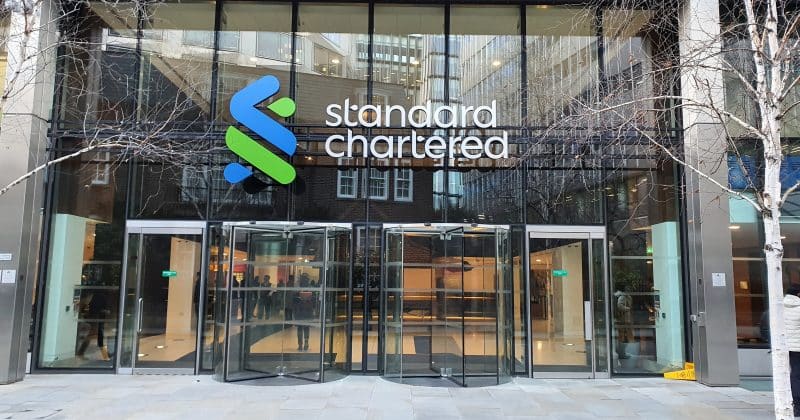
Standard Chartered launches institutional USDC minting and redemption through Dubai hub

Standard Chartered launches institutional USDC minting and redemption through Dubai hub

The banking giant is deepening its stablecoin infrastructure play, offering institutional clients direct access to mint and redeem Circle's USDC from its DIFC base.

Standard Chartered has rolled out institutional USDC minting and redemption services through the Dubai International Financial Centre, giving its large-scale clients the ability to convert between dollars and stablecoins.

The move extends a relationship with Circle, the issuer of USDC, that has turned Standard Chartered into one of the most crypto-forward legacy banks on the planet. The bank already serves as a reserve bank for USDC’s cash holdings and advises on Circle’s payments network.

From custody license to full-stack stablecoin services

Standard Chartered secured a custody license in the DIFC back in September 2024, initially covering just Bitcoin and Ether.

Advertisement

By January 2026, the bank had expanded to offering USDC custody on permissionless chains. Institutional clients could hold and move USDC on public blockchains like Ethereum rather than being restricted to walled-garden environments.

Zodia Markets, a trading platform linked to Standard Chartered, recorded $4 billion in net USDC minting volume during 2024.

Why DIFC matters for this play

Dubai’s financial free zone has become a magnet for crypto-adjacent financial services, and Standard Chartered’s choice of jurisdiction is deliberate. The DIFC operates under its own regulatory framework, separate from the broader UAE, offering a legal and compliance structure that institutional players generally find more comfortable than the patchwork of rules governing crypto in most other jurisdictions.

The stablecoin thesis gets louder

Standard Chartered has publicly projected that the total stablecoin market cap could reach $2 trillion by the end of 2028.

Circle has been positioning USDC as the regulated stablecoin of choice for institutions. Having Standard Chartered as both a reserve bank and an active minting and redemption partner strengthens that positioning. It’s one thing for a crypto-native company to claim institutional readiness. It’s another thing entirely when a 170-year-old bank is vouching for you with its own infrastructure.

What this means for investors

When institutional investors can mint and redeem USDC through a bank they already have a relationship with, the barriers to entering and exiting crypto positions drop substantially. That matters for hedge funds, family offices, and corporate treasuries that have been interested in digital assets but unwilling to navigate the operational complexity of crypto-native platforms.

If Standard Chartered’s services attract the kind of institutional volume that Zodia Markets’ $4 billion minting figure suggests is possible, the downstream effects on trading conditions could be meaningful.

Disclosure: This article was edited by Editorial Team. For more information on how we create and review content, see our Editorial Policy.

Standard Chartered launches institutional USDC minting and redemption through Dubai hub

Standard Chartered launches institutional USDC minting and redemption through Dubai hub

The banking giant is deepening its stablecoin infrastructure play, offering institutional clients direct access to mint and redeem Circle's USDC from its DIFC base.

Standard Chartered has rolled out institutional USDC minting and redemption services through the Dubai International Financial Centre, giving its large-scale clients the ability to convert between dollars and stablecoins.

The move extends a relationship with Circle, the issuer of USDC, that has turned Standard Chartered into one of the most crypto-forward legacy banks on the planet. The bank already serves as a reserve bank for USDC’s cash holdings and advises on Circle’s payments network.

From custody license to full-stack stablecoin services

Standard Chartered secured a custody license in the DIFC back in September 2024, initially covering just Bitcoin and Ether.

Advertisement

By January 2026, the bank had expanded to offering USDC custody on permissionless chains. Institutional clients could hold and move USDC on public blockchains like Ethereum rather than being restricted to walled-garden environments.

Zodia Markets, a trading platform linked to Standard Chartered, recorded $4 billion in net USDC minting volume during 2024.

Why DIFC matters for this play

Dubai’s financial free zone has become a magnet for crypto-adjacent financial services, and Standard Chartered’s choice of jurisdiction is deliberate. The DIFC operates under its own regulatory framework, separate from the broader UAE, offering a legal and compliance structure that institutional players generally find more comfortable than the patchwork of rules governing crypto in most other jurisdictions.

The stablecoin thesis gets louder

Standard Chartered has publicly projected that the total stablecoin market cap could reach $2 trillion by the end of 2028.

Circle has been positioning USDC as the regulated stablecoin of choice for institutions. Having Standard Chartered as both a reserve bank and an active minting and redemption partner strengthens that positioning. It’s one thing for a crypto-native company to claim institutional readiness. It’s another thing entirely when a 170-year-old bank is vouching for you with its own infrastructure.

What this means for investors

When institutional investors can mint and redeem USDC through a bank they already have a relationship with, the barriers to entering and exiting crypto positions drop substantially. That matters for hedge funds, family offices, and corporate treasuries that have been interested in digital assets but unwilling to navigate the operational complexity of crypto-native platforms.

If Standard Chartered’s services attract the kind of institutional volume that Zodia Markets’ $4 billion minting figure suggests is possible, the downstream effects on trading conditions could be meaningful.

Disclosure: This article was edited by Editorial Team. For more information on how we create and review content, see our Editorial Policy.