
https://www.axios.com/2026/03/05/iran-war-strait-of-hormuz-shutdown-us-global-economy
Stanton warns Strait of Hormuz closure threatens economic stability
Strait of Hormuz traffic normalization
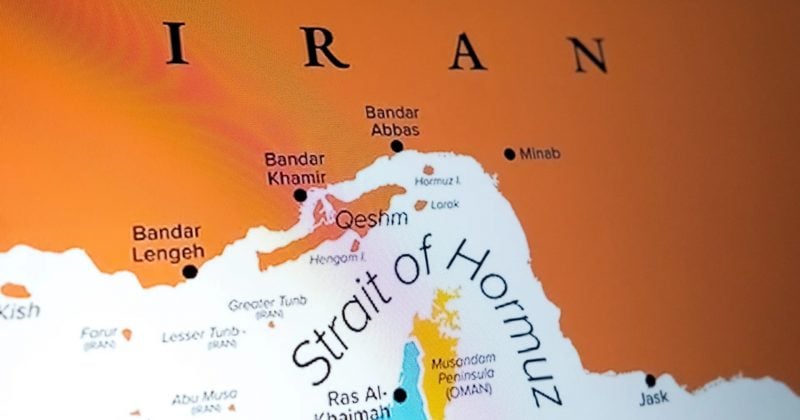
Rep. Stanton has expressed concerns over the economic ramifications of the ongoing closure of the Strait of Hormuz, emphasizing the need for enhanced diplomatic efforts with Iran. The closure, a result of the 2026 conflict between the United States, Israel, and Iran, has significantly disrupted global energy supplies. The situation remains volatile despite a ceasefire memorandum signed in June, as renewed hostilities have persisted in early July. The closure threatens economic stability, with potential consequences including oil price spikes and inflation. Stanton’s warning highlights the urgency of resolving the geopolitical tensions to mitigate these economic risks.
Key Takeaways
- Stanton’s warning appears to highlight the economic threats posed by the prolonged closure of the Strait of Hormuz, suggesting diplomatic efforts may need to be intensified.
- Market pricing for the Strait of Hormuz traffic returning to normal by August 31 has decreased, reflecting skepticism about a near-term resolution.
- The ongoing conflict and the recent ceasefire breakdown may indicate continued challenges in reopening the strait, consistent with scenarios where traffic normalization is delayed.
What to Watch
Observers should monitor diplomatic developments between the United States and Iran, particularly any official announcements from Iranian or U.S. leaders regarding peace talks or ceasefire agreements. The potential for renewed military actions or diplomatic breakthroughs could significantly impact market expectations about the strait’s status. Additionally, any changes in oil prices or global economic indicators could provide further evidence of how markets are interpreting the likelihood of traffic normalization.