
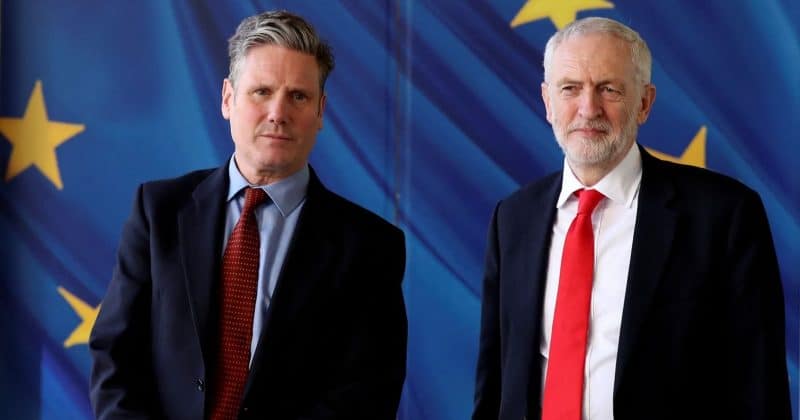
Keir Starmer resigns as UK Labour Party leader, markets brace for rising borrowing costs
The sixth premature prime ministerial departure in a decade sends gilt yields climbing and the pound sliding as investors price in political uncertainty
Keir Starmer announced his resignation as UK Labour Party leader on June 22, 2026, stepping down as Prime Minister and triggering what markets are treating as yet another bout of British political instability. Gilt yields are expected to climb, the pound faces downward pressure, and analysts are already talking about a “political risk premium” settling over UK assets.
This is the sixth time in roughly a decade that a sitting UK Prime Minister has left the job early.
What happened and what comes next
Starmer communicated his decision to King Charles III and asked Labour’s National Executive Committee to arrange a leadership contest. He will serve as caretaker PM until a successor is chosen.
Nominations for the leadership race begin on July 9, with a new leader expected to be in place before Parliament reconvenes in September.
Andy Burnham, who recently secured a victory in a by-election, has emerged as the frontrunner to replace Starmer.
The news moving money, markets, and the world—before your day starts.
Daily. Free. Join 34,000+ readers across crypto, finance, and policy.
Markets are not thrilled
The expectation is for higher UK gilt yields, reflecting concerns over fiscal stability and the possibility that a new leader could shift taxation and spending policies significantly.
The pound is also facing downward pressure. The mini-budget crisis under Liz Truss in 2022 showed just how quickly gilt markets can punish perceived fiscal irresponsibility.
What this means for crypto and digital finance
In March 2026, Starmer’s government imposed a moratorium on crypto political donations, creating a layer of regulatory uncertainty around digital assets in the UK. With Starmer departing, that policy’s future is genuinely up in the air.
No specific crypto assets have been directly linked to market movements from Starmer’s resignation.