
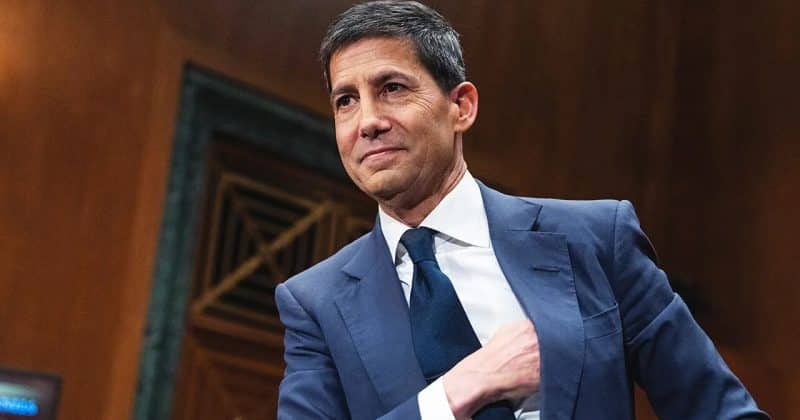
Stocks pause near records ahead of Kevin Warsh’s first Fed decision
The new Fed chair's inaugural FOMC meeting arrives with inflation running hot, rate hikes on the table, and a personal portfolio full of crypto
The S&P 500 is catching its breath after one of the more remarkable welcome parties Wall Street has ever thrown for a new Federal Reserve chair. Kevin Warsh, sworn in as the 17th head of the Fed on May 22, 2026, has presided over gains in each of his first seven trading days, a streak that surpasses a record dating back to 1978, when the previous best was five consecutive up days under a new chair.
Now comes the hard part. Warsh’s first FOMC policy meeting is scheduled for June 16-17, 2026, and the mood heading into it is less “celebration” and more “cautious optimism with a side of nerves.”
The setup: inflation, tariffs, and geopolitical pressure
Price growth remains stubbornly above the Fed’s 2% target, fueled by a cocktail of geopolitical tensions, particularly related to Iran, and existing tariffs that continue to work their way through the economy.
That backdrop has effectively killed any remaining hopes for rate cuts in the near term. Markets are now pricing in potential rate hikes later in 2026, a scenario that would have seemed almost unthinkable a year ago when the consensus was firmly in the “cuts are coming” camp.
Warsh’s first meeting likely won’t produce a rate change. The market doesn’t expect one, and the statement language and any press conference remarks will be dissected closely.
A different kind of Fed chair
Warsh has already telegraphed that he wants to change how the Fed communicates. His preference is for simpler FOMC statements and reduced forward guidance, a departure from the era of elaborate dot plots and carefully choreographed hints about future policy moves.
Warsh was nominated by President Donald Trump and confirmed by the Senate ahead of his May swearing-in. He appears to want a Fed that is less reactive to market tantrums and more focused on its core mandates of price stability and maximum employment.
Macro, rates, and crypto—what moved markets and what matters next.
Daily. Free. Join 34,000+ readers across crypto, finance, and policy.
The crypto angle no one expected
Warsh’s financial disclosures revealed investments in Solana, Optimism, dYdX, and a spot Bitcoin ETF, a portfolio that reads less like a central banker’s and more like a DeFi enthusiast’s.
The crypto market’s reaction was predictably enthusiastic. The logic goes: a Fed chair who personally holds digital assets is less likely to pursue aggressively hostile regulation against the industry.
Having a Fed chair who understands digital assets firsthand represents a generational shift in how the most powerful financial institution on Earth relates to crypto.
What investors should actually watch
The June 16-17 meeting will set the tone for Warsh’s entire first year. Three things matter most.
First, the statement language around inflation. If the FOMC upgrades its characterization of inflation risks, that’s a signal that hikes are genuinely on the table, not just a theoretical possibility.
Second, watch for changes in how the statement discusses forward guidance. If Warsh follows through on his preference for simpler, less predictive language, traders will need time to build new mental models for a less transparent Fed.
Third, pay attention to what Warsh says, or doesn’t say, about digital assets and financial innovation during any press conference.