
Nexo Earn with Nexo
Stocks rise as Trump heads to Situation Room for final determination on Iran deal

Stocks rise as Trump heads to Situation Room for final determination on Iran deal

US equity indices climbed on hopes of a 60-day ceasefire extension and reopening of the Strait of Hormuz, while Bitcoin showed mixed reactions to the geopolitical shift.

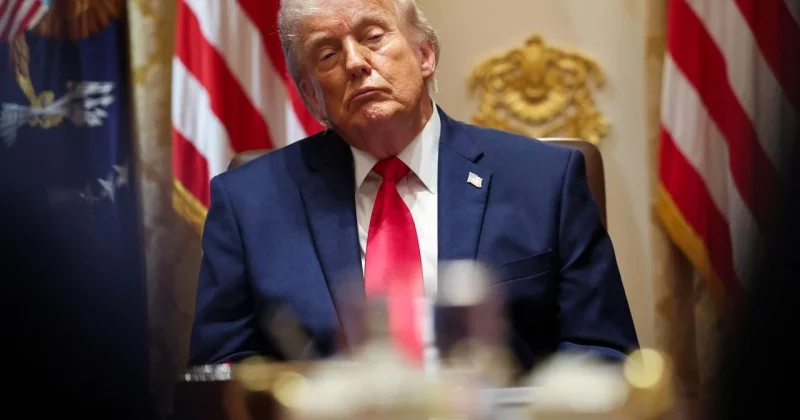
President Donald Trump announced on May 29 that he was heading to the Situation Room to make a final determination on a potential agreement with Iran, one aimed at ending hostilities that have rattled energy markets and kept investors on edge for over a year. US stocks responded with enthusiasm, pushing major indices higher on the prospect of de-escalation in one of the world’s most strategically sensitive regions.

The tentative framework centers on a 60-day ceasefire extension, the reopening of the Strait of Hormuz, and Iran’s commitment not to pursue nuclear weapons. For markets that have been pricing in geopolitical risk since tensions escalated in April 2025, that combination reads like a pressure valve being slowly released.

What’s actually on the table

The deal, as outlined so far, would include negotiations on uranium enrichment limits and a broader memorandum aimed at stopping hostilities between the two nations.

Advertisement

Trump was explicit that no easing of financial sanctions would be part of the agreement. That’s a critical detail. Iran would be committing to nuclear restraint and a ceasefire without getting the sanctions relief it has historically demanded in return.

The negotiations trace back to April 2025. The period between then and now included increased US and Israeli strikes on Iranian targets, disruptions to shipping in the region, and back-and-forth brinksmanship that complicated diplomatic progress.

The Strait of Hormuz, a narrow waterway through which roughly a fifth of the world’s oil passes daily, became a particular flashpoint. Its potential reopening under this deal would carry enormous implications for global energy supply chains.

How markets are reading the room

US stock indices advanced notably on the news. The S&P 500 and Dow both posted gains as investors priced in the possibility that a major source of geopolitical uncertainty could be winding down.

Crypto markets told a more complicated story. Bitcoin experienced mixed reactions, fluctuating as traders toggled between risk-on optimism and lingering uncertainty about whether the deal would actually close.

What this means for investors

A successful ceasefire and reopening of the Strait of Hormuz would remove one of the biggest risk premiums embedded in global asset prices right now. Energy costs would normalize, supply chains would stabilize, and the Federal Reserve would have one fewer inflationary pressure to worry about when setting monetary policy.

The no-sanctions-relief component introduces a real wildcard. Historically, Iran has treated sanctions relief as the core incentive for any nuclear agreement. A deal without it might hold for 60 days, but its durability beyond that is far from guaranteed.

Disclosure: This article was edited by Editorial Team. For more information on how we create and review content, see our Editorial Policy.

Stocks rise as Trump heads to Situation Room for final determination on Iran deal

Stocks rise as Trump heads to Situation Room for final determination on Iran deal

US equity indices climbed on hopes of a 60-day ceasefire extension and reopening of the Strait of Hormuz, while Bitcoin showed mixed reactions to the geopolitical shift.

President Donald Trump announced on May 29 that he was heading to the Situation Room to make a final determination on a potential agreement with Iran, one aimed at ending hostilities that have rattled energy markets and kept investors on edge for over a year. US stocks responded with enthusiasm, pushing major indices higher on the prospect of de-escalation in one of the world’s most strategically sensitive regions.

The tentative framework centers on a 60-day ceasefire extension, the reopening of the Strait of Hormuz, and Iran’s commitment not to pursue nuclear weapons. For markets that have been pricing in geopolitical risk since tensions escalated in April 2025, that combination reads like a pressure valve being slowly released.

What’s actually on the table

The deal, as outlined so far, would include negotiations on uranium enrichment limits and a broader memorandum aimed at stopping hostilities between the two nations.

Advertisement

Trump was explicit that no easing of financial sanctions would be part of the agreement. That’s a critical detail. Iran would be committing to nuclear restraint and a ceasefire without getting the sanctions relief it has historically demanded in return.

The negotiations trace back to April 2025. The period between then and now included increased US and Israeli strikes on Iranian targets, disruptions to shipping in the region, and back-and-forth brinksmanship that complicated diplomatic progress.

The Strait of Hormuz, a narrow waterway through which roughly a fifth of the world’s oil passes daily, became a particular flashpoint. Its potential reopening under this deal would carry enormous implications for global energy supply chains.

How markets are reading the room

US stock indices advanced notably on the news. The S&P 500 and Dow both posted gains as investors priced in the possibility that a major source of geopolitical uncertainty could be winding down.

Crypto markets told a more complicated story. Bitcoin experienced mixed reactions, fluctuating as traders toggled between risk-on optimism and lingering uncertainty about whether the deal would actually close.

What this means for investors

A successful ceasefire and reopening of the Strait of Hormuz would remove one of the biggest risk premiums embedded in global asset prices right now. Energy costs would normalize, supply chains would stabilize, and the Federal Reserve would have one fewer inflationary pressure to worry about when setting monetary policy.

The no-sanctions-relief component introduces a real wildcard. Historically, Iran has treated sanctions relief as the core incentive for any nuclear agreement. A deal without it might hold for 60 days, but its durability beyond that is far from guaranteed.

Disclosure: This article was edited by Editorial Team. For more information on how we create and review content, see our Editorial Policy.