
Stocks slip as Fed rate outlook offsets optimism over Iran deal

Stocks slip as Fed rate outlook offsets optimism over Iran deal

Global equities dip as hawkish Fed signals overpower the geopolitical relief rally from the US-Iran interim peace framework

Two powerful forces are pulling markets in opposite directions right now. A historic interim peace deal between the US and Iran sent risk appetite soaring across Asia, but the Federal Reserve’s stubbornly hawkish stance is proving to be the stronger gravitational pull.

Global stocks slipped roughly 0.1% on June 18, a modest decline that masks a genuine tug-of-war underneath the surface.

The Iran deal giveth, the Fed taketh away

The US-Iran interim peace framework, unveiled around June 15, reopened the Strait of Hormuz. Brent crude responded predictably, sliding 4-5% toward the mid-$70s per barrel.

Asian indices caught the wave. The Nikkei and KOSPI surged to record highs on the back of eased geopolitical tensions and lower energy costs.

Advertisement

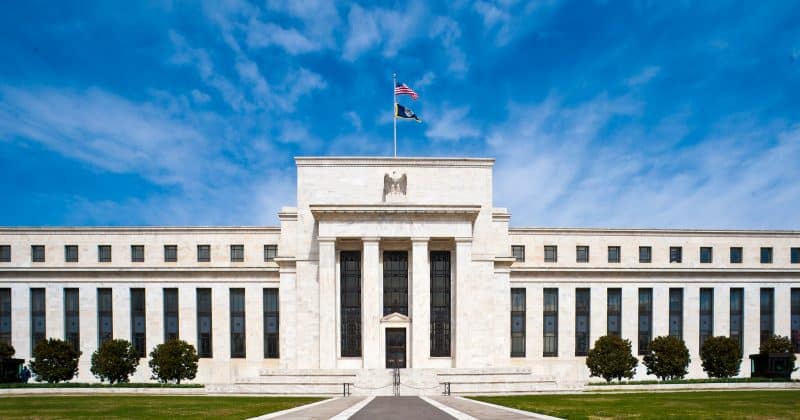
The central bank held its benchmark rate steady at 3.5-3.75% at its latest meeting, the first hold under Chair Kevin Warsh. What spooked investors was the dot plot: nearly half of Fed policymakers indicated they anticipate at least one rate increase before the end of 2026.

The reason is inflation. May’s reading came in at 4.2%, the highest in three years.

Wall Street futures showed some recovery during the session.

Bitcoin catches a bid, but traders stay skeptical

Bitcoin climbed to the $65,000-$66,000 range, gaining approximately 2-4% on the peace deal news.

The oil price decline adds another layer of complexity. Lower energy costs reduce the input costs for Bitcoin miners, which is marginally positive for network economics.

What this means for investors

The market is essentially pricing two contradictory narratives simultaneously. Narrative one: the Iran deal reduces geopolitical risk, lowers energy prices, and creates room for economic expansion. Narrative two: inflation is running hot enough that the Fed might need to tighten further, which would slow growth and pressure asset prices.

Bitcoin’s bounce to $65,000-$66,000 happened against a backdrop of equity weakness and rising rate expectations. Half of policymakers signaling a potential rate hike is not the same as the committee voting for one.

Disclosure: This article was edited by Editorial Team. For more information on how we create and review content, see our Editorial Policy.

Stocks slip as Fed rate outlook offsets optimism over Iran deal

Stocks slip as Fed rate outlook offsets optimism over Iran deal

Global equities dip as hawkish Fed signals overpower the geopolitical relief rally from the US-Iran interim peace framework

Two powerful forces are pulling markets in opposite directions right now. A historic interim peace deal between the US and Iran sent risk appetite soaring across Asia, but the Federal Reserve’s stubbornly hawkish stance is proving to be the stronger gravitational pull.

Global stocks slipped roughly 0.1% on June 18, a modest decline that masks a genuine tug-of-war underneath the surface.

The Iran deal giveth, the Fed taketh away

The US-Iran interim peace framework, unveiled around June 15, reopened the Strait of Hormuz. Brent crude responded predictably, sliding 4-5% toward the mid-$70s per barrel.

Asian indices caught the wave. The Nikkei and KOSPI surged to record highs on the back of eased geopolitical tensions and lower energy costs.

Advertisement

The central bank held its benchmark rate steady at 3.5-3.75% at its latest meeting, the first hold under Chair Kevin Warsh. What spooked investors was the dot plot: nearly half of Fed policymakers indicated they anticipate at least one rate increase before the end of 2026.

The reason is inflation. May’s reading came in at 4.2%, the highest in three years.

Wall Street futures showed some recovery during the session.

Bitcoin catches a bid, but traders stay skeptical

Bitcoin climbed to the $65,000-$66,000 range, gaining approximately 2-4% on the peace deal news.

The oil price decline adds another layer of complexity. Lower energy costs reduce the input costs for Bitcoin miners, which is marginally positive for network economics.

What this means for investors

The market is essentially pricing two contradictory narratives simultaneously. Narrative one: the Iran deal reduces geopolitical risk, lowers energy prices, and creates room for economic expansion. Narrative two: inflation is running hot enough that the Fed might need to tighten further, which would slow growth and pressure asset prices.

Bitcoin’s bounce to $65,000-$66,000 happened against a backdrop of equity weakness and rising rate expectations. Half of policymakers signaling a potential rate hike is not the same as the committee voting for one.

Disclosure: This article was edited by Editorial Team. For more information on how we create and review content, see our Editorial Policy.