
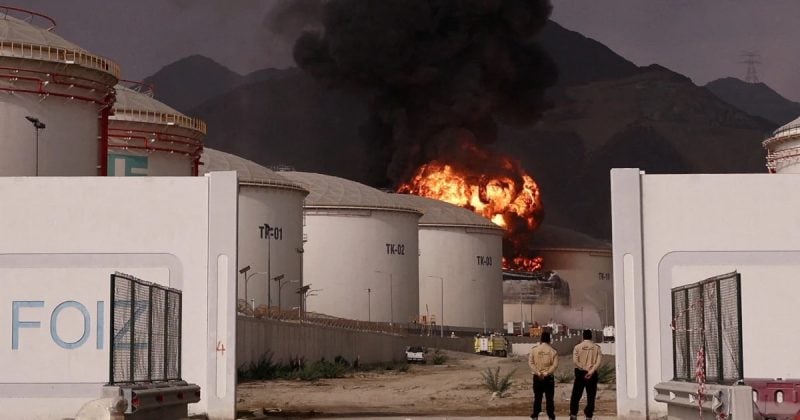
Strait of Hormuz instability threatens global energy supply amid US-Iran tensions

https://www.cfr.org/articles/strait-jacket-global-energy-flows-the-war-with-iran

Strait of Hormuz instability threatens global energy supply amid US-Iran tensions

WTI crude oil prices in July 2026

The Strait of Hormuz continues to pose significant challenges for global energy flows, as recent instability in the region hampers recovery efforts. Bloomberg Markets reports that the strait, a critical passageway for approximately 20% of global crude oil and LNG, remains unstable despite a recent U.S.-Iran memorandum of understanding. The situation has been exacerbated by the U.S. revoking Iran’s oil-sale waiver and recent vessel strikes, leading to increased geopolitical tensions. This ongoing instability suggests that global energy supplies remain at risk, with potential implications for oil prices and market dynamics.

Advertisement

Key Takeaways

  • Bloomberg’s report suggests that the instability of the Strait of Hormuz could lead to disruptions in energy supplies, impacting global oil markets.
  • Market pricing indicates an increased likelihood of WTI crude oil reaching higher price thresholds, with the probability of hitting $130 in July 2026 still relatively low but rising.
  • The uncertainty surrounding the strait’s reopening appears reflected in market sentiment, with decreased confidence in a normalization of traffic by August 31.

What to Watch

Observers are closely monitoring developments between the U.S. and Iran, as any diplomatic breakthroughs could alter the current geopolitical dynamics. Key indicators include official announcements regarding the status of the strait and potential production adjustments by OPEC+. Continued instability could lead to further upward pressure on oil prices if the strait remains largely closed, while a resolution could provide relief to global energy markets.

Get live prediction-market analysis, powered by Vera. Sign up for Vera.

Disclosure: This article was edited by Estefano Gomez. For more information on how we create and review content, see our Editorial Policy.

Strait of Hormuz instability threatens global energy supply amid US-Iran tensions

Strait of Hormuz instability threatens global energy supply amid US-Iran tensions

WTI crude oil prices in July 2026

https://www.cfr.org/articles/strait-jacket-global-energy-flows-the-war-with-iran

The Strait of Hormuz continues to pose significant challenges for global energy flows, as recent instability in the region hampers recovery efforts. Bloomberg Markets reports that the strait, a critical passageway for approximately 20% of global crude oil and LNG, remains unstable despite a recent U.S.-Iran memorandum of understanding. The situation has been exacerbated by the U.S. revoking Iran’s oil-sale waiver and recent vessel strikes, leading to increased geopolitical tensions. This ongoing instability suggests that global energy supplies remain at risk, with potential implications for oil prices and market dynamics.

Advertisement

Key Takeaways

  • Bloomberg’s report suggests that the instability of the Strait of Hormuz could lead to disruptions in energy supplies, impacting global oil markets.
  • Market pricing indicates an increased likelihood of WTI crude oil reaching higher price thresholds, with the probability of hitting $130 in July 2026 still relatively low but rising.
  • The uncertainty surrounding the strait’s reopening appears reflected in market sentiment, with decreased confidence in a normalization of traffic by August 31.

What to Watch

Observers are closely monitoring developments between the U.S. and Iran, as any diplomatic breakthroughs could alter the current geopolitical dynamics. Key indicators include official announcements regarding the status of the strait and potential production adjustments by OPEC+. Continued instability could lead to further upward pressure on oil prices if the strait remains largely closed, while a resolution could provide relief to global energy markets.

Get live prediction-market analysis, powered by Vera. Sign up for Vera.

Disclosure: This article was edited by Estefano Gomez. For more information on how we create and review content, see our Editorial Policy.