
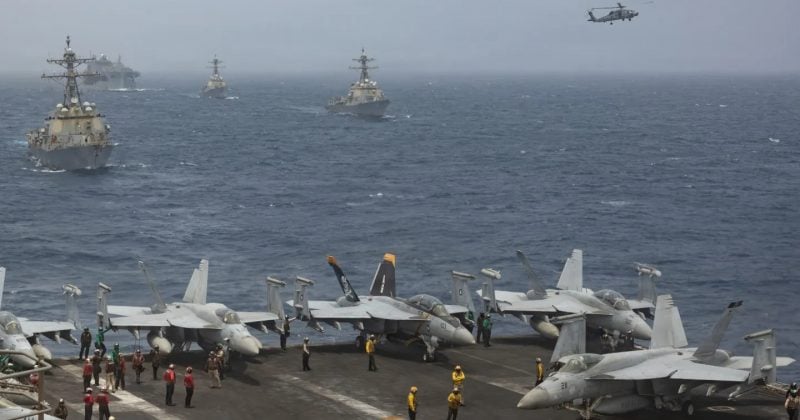
Strait of Hormuz tensions disrupt sulfur shipments, impact global supply chains

https://fortune.com/2026/07/11/strait-of-hormuz-separate-corridors-oman-iran-us-military-protection-persian-gulf-oil/

Strait of Hormuz tensions disrupt sulfur shipments, impact global supply chains

WTI crude oil prices in July 2026

Tensions in the Strait of Hormuz are threatening not just oil supplies but also crucial sulfur shipments, according to a report by Bloomberg Markets. The partial closure of this key maritime chokepoint has disrupted significant volumes of seaborne sulfur, impacting global trade and potentially leading to severe supply chain issues in industries reliant on sulfuric acid. The crisis has already driven a sharp increase in spot prices for sulfur, which is crucial for producing phosphate fertilizers and processing metals like nickel and copper. Market participants are closely monitoring this situation, as it may indicate broader economic and supply chain disruptions.

Advertisement

Key Takeaways

  • Market behavior suggests that tensions in the Strait of Hormuz are consistent with elevated WTI crude oil prices.
  • The partial closure of the Strait has disrupted sulfur supplies, indicating potential global supply chain impacts.
  • Market pricing suggests a significant probability increase for WTI crude oil to hit $90 in July.

What to Watch

Observers should monitor developments in the Strait of Hormuz, as further disruptions or resolutions could impact oil and sulfur markets. Key indicators include statements from the Iranian government or military regarding the status of the Strait. Additionally, any announcements from OPEC+ regarding production levels could significantly influence market expectations. Global inventory reports and geopolitical developments will be critical in shaping market perceptions and potential price movements.

Get live prediction-market analysis, powered by Vera. Sign up for Vera.

Disclosure: This article was edited by Estefano Gomez. For more information on how we create and review content, see our Editorial Policy.

Strait of Hormuz tensions disrupt sulfur shipments, impact global supply chains

Strait of Hormuz tensions disrupt sulfur shipments, impact global supply chains

WTI crude oil prices in July 2026

https://fortune.com/2026/07/11/strait-of-hormuz-separate-corridors-oman-iran-us-military-protection-persian-gulf-oil/

Tensions in the Strait of Hormuz are threatening not just oil supplies but also crucial sulfur shipments, according to a report by Bloomberg Markets. The partial closure of this key maritime chokepoint has disrupted significant volumes of seaborne sulfur, impacting global trade and potentially leading to severe supply chain issues in industries reliant on sulfuric acid. The crisis has already driven a sharp increase in spot prices for sulfur, which is crucial for producing phosphate fertilizers and processing metals like nickel and copper. Market participants are closely monitoring this situation, as it may indicate broader economic and supply chain disruptions.

Advertisement

Key Takeaways

  • Market behavior suggests that tensions in the Strait of Hormuz are consistent with elevated WTI crude oil prices.
  • The partial closure of the Strait has disrupted sulfur supplies, indicating potential global supply chain impacts.
  • Market pricing suggests a significant probability increase for WTI crude oil to hit $90 in July.

What to Watch

Observers should monitor developments in the Strait of Hormuz, as further disruptions or resolutions could impact oil and sulfur markets. Key indicators include statements from the Iranian government or military regarding the status of the Strait. Additionally, any announcements from OPEC+ regarding production levels could significantly influence market expectations. Global inventory reports and geopolitical developments will be critical in shaping market perceptions and potential price movements.

Get live prediction-market analysis, powered by Vera. Sign up for Vera.

Disclosure: This article was edited by Estefano Gomez. For more information on how we create and review content, see our Editorial Policy.