
https://foreignpolicy.com/2026/05/04/us-project-freedom-strait-hormuz-trump-iran-war-strikes-uae-south-korea/
Strait of Hormuz vessel crossings surge 105% after US-Iran peace deal
Strait of Hormuz traffic normalization
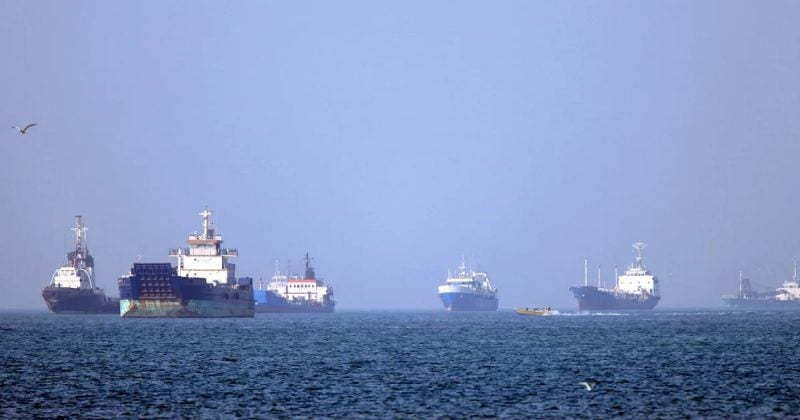
The number of vessel crossings in the Strait of Hormuz surged to 70 yesterday, marking a significant 105% increase compared to the previous day. This development follows the recent U.S.-Iran peace deal that lifted the U.S. naval blockade, allowing for a resumption of commercial traffic. While the spike in activity indicates a move towards normalization, the situation remains tentative with the Iranian Revolutionary Guard Corps (IRGC) continuing to issue warnings to ships. Despite the increase in traffic, demining operations are still underway, and the area remains under the IRGC’s supervision.
Key Takeaways
- The sharp increase in vessel crossings appears to indicate a de-escalation in regional tensions and a move towards normalizing traffic.
- Market pricing suggests participants view the surge as supportive of a YES resolution in markets predicting traffic normalization by the end of June.
- Despite encouraging signs, ongoing IRGC warnings and incomplete demining efforts suggest that risks of renewed escalation remain.
What to Watch
Observers should monitor developments closely as the June 30 deadline for the IMF PortWatch threshold approaches. Key indicators include further increases in vessel traffic, announcements of reduced war-risk premiums by insurers, and any new agreements between the U.S. and Iran that could solidify the reopening of the strait. Conversely, any reports of IRGC interference or new security threats could reverse current trends and impact market pricing for a YES resolution.
Get live prediction-market analysis, powered by Vera. Sign up for Vera.