
Super Micro reports two Taiwan staff detained in AI server smuggling probe

Super Micro reports two Taiwan staff detained in AI server smuggling probe

Taiwanese prosecutors are investigating whether Nvidia-powered AI servers were illegally shipped to China using falsified export documents

Two Super Micro Computer employees in Taiwan have been detained as part of a widening investigation into the alleged smuggling of AI servers equipped with Nvidia chips into China. The detentions, which occurred around June 29-30, represent a significant escalation of a probe that has now ensnared nine individuals across multiple companies.

SMCI shares dropped roughly 8% on the news.

What happened in Taiwan

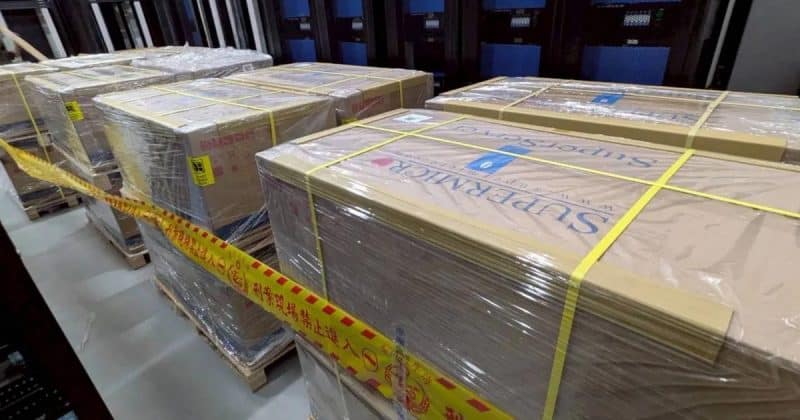
Taiwanese prosecutors raided Super Micro’s offices in Taiwan along with associated individuals and businesses. A prior operation in May 2026 had already led to three arrests and the seizure of approximately 50 Nvidia-powered servers.

Advertisement

The core allegation is that entities under investigation allegedly falsified export documentation to circumvent US export restrictions on advanced semiconductor technology destined for China.

The investigation now involves nine total individuals, including a manager from Albatron Technology and employees from Chief Telecom.

Super Micro has confirmed its cooperation with Taiwanese authorities and emphasized its commitment to protecting intellectual property. The company also noted previous collaboration with Taiwanese authorities that helped prevent illicit exports.

The bigger picture on export controls

Taiwan is home to the world’s most important semiconductor manufacturing, serves as a key hub for server assembly and distribution, and sits geographically and economically between the US and China. The seizure of roughly 50 servers during the May operation gives some sense of scale. AI servers packed with Nvidia’s high-end chips can cost tens of thousands of dollars each.

For Super Micro specifically, the company has been on a volatile ride over the past couple of years, with its stock surging on AI infrastructure demand before running into accounting controversies that led to a delayed annual report and temporary compliance issues with Nasdaq listing requirements.

What this means for investors

If prosecutors determine that the falsified export documents were part of a systematic practice rather than isolated incidents, the consequences for Super Micro could extend beyond Taiwan. US authorities take export control violations extremely seriously, particularly when they involve advanced AI technology and China. The penalties can include massive fines, loss of export privileges, and criminal charges against corporate officers.

Super Micro has been one of the biggest beneficiaries of the AI infrastructure buildout, competing with Dell Technologies and Hewlett Packard Enterprise for contracts to build the server racks that power AI deployments.

Disclosure: This article was edited by Editorial Team. For more information on how we create and review content, see our Editorial Policy.

Super Micro reports two Taiwan staff detained in AI server smuggling probe

Super Micro reports two Taiwan staff detained in AI server smuggling probe

Taiwanese prosecutors are investigating whether Nvidia-powered AI servers were illegally shipped to China using falsified export documents

Two Super Micro Computer employees in Taiwan have been detained as part of a widening investigation into the alleged smuggling of AI servers equipped with Nvidia chips into China. The detentions, which occurred around June 29-30, represent a significant escalation of a probe that has now ensnared nine individuals across multiple companies.

SMCI shares dropped roughly 8% on the news.

What happened in Taiwan

Taiwanese prosecutors raided Super Micro’s offices in Taiwan along with associated individuals and businesses. A prior operation in May 2026 had already led to three arrests and the seizure of approximately 50 Nvidia-powered servers.

Advertisement

The core allegation is that entities under investigation allegedly falsified export documentation to circumvent US export restrictions on advanced semiconductor technology destined for China.

The investigation now involves nine total individuals, including a manager from Albatron Technology and employees from Chief Telecom.

Super Micro has confirmed its cooperation with Taiwanese authorities and emphasized its commitment to protecting intellectual property. The company also noted previous collaboration with Taiwanese authorities that helped prevent illicit exports.

The bigger picture on export controls

Taiwan is home to the world’s most important semiconductor manufacturing, serves as a key hub for server assembly and distribution, and sits geographically and economically between the US and China. The seizure of roughly 50 servers during the May operation gives some sense of scale. AI servers packed with Nvidia’s high-end chips can cost tens of thousands of dollars each.

For Super Micro specifically, the company has been on a volatile ride over the past couple of years, with its stock surging on AI infrastructure demand before running into accounting controversies that led to a delayed annual report and temporary compliance issues with Nasdaq listing requirements.

What this means for investors

If prosecutors determine that the falsified export documents were part of a systematic practice rather than isolated incidents, the consequences for Super Micro could extend beyond Taiwan. US authorities take export control violations extremely seriously, particularly when they involve advanced AI technology and China. The penalties can include massive fines, loss of export privileges, and criminal charges against corporate officers.

Super Micro has been one of the biggest beneficiaries of the AI infrastructure buildout, competing with Dell Technologies and Hewlett Packard Enterprise for contracts to build the server racks that power AI deployments.

Disclosure: This article was edited by Editorial Team. For more information on how we create and review content, see our Editorial Policy.