
Taiwanese authorities raid Supermicro office in Nvidia chip probe

Taiwanese authorities raid Supermicro office in Nvidia chip probe

Investigation targets alleged $2.5 billion scheme to smuggle restricted AI servers to China through front companies and forged documents

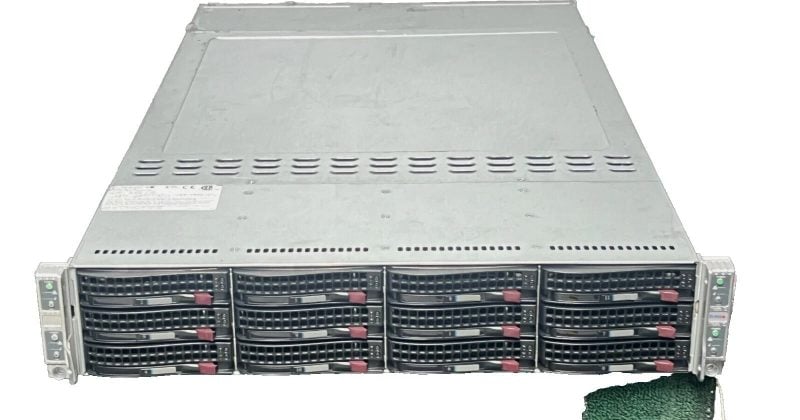
Taiwanese prosecutors raided Supermicro’s local office and 11 additional locations on June 29 as part of a widening criminal investigation into the alleged smuggling of Nvidia’s restricted AI chips to China. The operation, led by the Keelung District Prosecutors Office, marks a significant escalation in what authorities describe as a $2.5 billion scheme to circumvent US export controls on advanced semiconductor technology.

Supermicro shares dropped as much as 7% on the news. The company says it is cooperating fully with both Taiwanese and US authorities.

Inside the alleged smuggling operation

The raids targeted Supermicro’s Taiwan office, several private residences, and the premises of three affiliated companies. Back in May 2026, Taiwanese investigators seized approximately 50 high-end servers equipped with restricted Nvidia chips in earlier raids connected to the same probe.

Advertisement

The US Department of Justice unsealed charges in March 2026 against Supermicro co-founder Yih-Shyan “Wally” Liaw and two associates. The indictment alleges they orchestrated a complex operation involving front companies and forged documents to disguise shipments of Nvidia-powered servers to Chinese buyers.

Supermicro itself has not been charged as a company in the US indictment, a distinction the firm has been eager to highlight. The charges target individuals, not the corporate entity. But the raids on corporate offices suggest investigators believe company infrastructure may have played a role in facilitating the alleged diversions.

The export control pressure cooker

Washington has spent years building an increasingly aggressive export control regime targeting China’s AI ambitions. Nvidia’s most powerful chips, the ones allegedly smuggled in this case, are precisely the kind of hardware those controls were designed to keep out of Chinese hands.

Taiwan’s role in this enforcement action is significant. The island is home to the world’s most critical semiconductor manufacturing infrastructure, and the willingness to conduct aggressive raids on a major US-listed company’s local operations signals that Taipei is aligning itself more closely with Washington’s technology containment strategy.

What this means for investors

The immediate market reaction, a 7% share price decline, may just be the opening chapter. Criminal investigations of this nature tend to unfold over months or years, and each new development creates fresh uncertainty.

Traders should pay attention to two upcoming catalysts. First, whether Taiwanese prosecutors file formal charges following these raids, which would signal the investigation has moved past the evidence-gathering phase. Second, whether the US DOJ expands its indictment to include additional individuals or, critically, the corporate entity itself.

Disclosure: This article was edited by Editorial Team. For more information on how we create and review content, see our Editorial Policy.

Taiwanese authorities raid Supermicro office in Nvidia chip probe

Taiwanese authorities raid Supermicro office in Nvidia chip probe

Investigation targets alleged $2.5 billion scheme to smuggle restricted AI servers to China through front companies and forged documents

Taiwanese prosecutors raided Supermicro’s local office and 11 additional locations on June 29 as part of a widening criminal investigation into the alleged smuggling of Nvidia’s restricted AI chips to China. The operation, led by the Keelung District Prosecutors Office, marks a significant escalation in what authorities describe as a $2.5 billion scheme to circumvent US export controls on advanced semiconductor technology.

Supermicro shares dropped as much as 7% on the news. The company says it is cooperating fully with both Taiwanese and US authorities.

Inside the alleged smuggling operation

The raids targeted Supermicro’s Taiwan office, several private residences, and the premises of three affiliated companies. Back in May 2026, Taiwanese investigators seized approximately 50 high-end servers equipped with restricted Nvidia chips in earlier raids connected to the same probe.

Advertisement

The US Department of Justice unsealed charges in March 2026 against Supermicro co-founder Yih-Shyan “Wally” Liaw and two associates. The indictment alleges they orchestrated a complex operation involving front companies and forged documents to disguise shipments of Nvidia-powered servers to Chinese buyers.

Supermicro itself has not been charged as a company in the US indictment, a distinction the firm has been eager to highlight. The charges target individuals, not the corporate entity. But the raids on corporate offices suggest investigators believe company infrastructure may have played a role in facilitating the alleged diversions.

The export control pressure cooker

Washington has spent years building an increasingly aggressive export control regime targeting China’s AI ambitions. Nvidia’s most powerful chips, the ones allegedly smuggled in this case, are precisely the kind of hardware those controls were designed to keep out of Chinese hands.

Taiwan’s role in this enforcement action is significant. The island is home to the world’s most critical semiconductor manufacturing infrastructure, and the willingness to conduct aggressive raids on a major US-listed company’s local operations signals that Taipei is aligning itself more closely with Washington’s technology containment strategy.

What this means for investors

The immediate market reaction, a 7% share price decline, may just be the opening chapter. Criminal investigations of this nature tend to unfold over months or years, and each new development creates fresh uncertainty.

Traders should pay attention to two upcoming catalysts. First, whether Taiwanese prosecutors file formal charges following these raids, which would signal the investigation has moved past the evidence-gathering phase. Second, whether the US DOJ expands its indictment to include additional individuals or, critically, the corporate entity itself.

Disclosure: This article was edited by Editorial Team. For more information on how we create and review content, see our Editorial Policy.