
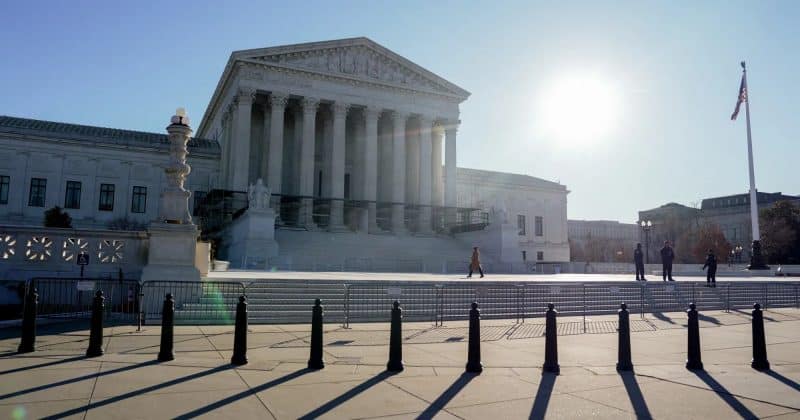
Supreme Court grants Trump expanded executive power over agencies that regulate crypto

Supreme Court grants Trump expanded executive power over agencies that regulate crypto

A 6-3 ruling overturns 91 years of precedent, giving the president authority to fire heads of independent agencies like the SEC and CFTC at will.

The Supreme Court just handed the president a level of control over federal regulators that no commander-in-chief has held since before the New Deal.

In a 6-3 decision issued June 29, 2026, the Court ruled that presidents can remove most heads of independent federal agencies for any reason. The decision overturns Humphrey’s Executor v. United States, a 1935 precedent that had protected agency commissioners from being fired without cause for over nine decades.

What the ruling actually does

The case centered on President Trump’s firing of FTC Commissioner Rebecca Slaughter. The Court upheld that removal, affirming the broader principle that a president should have direct authority over the officials running independent agencies.

The legal doctrine at play here is called the “unitary executive” theory. In English: the president sits atop the entire executive branch, and anyone exercising executive power serves at the president’s pleasure. No more “for cause” protections shielding commissioners from dismissal.

Advertisement

The ruling carved out one major exception. Federal Reserve governors retain their independence. The Court drew a line between agencies exercising regulatory and enforcement power, where presidential control was deemed appropriate, and the central bank’s monetary policy functions, where insulation from political pressure was preserved.

Trump called the decision a “BIG WIN” on Truth Social, describing it as “one of the most important ever” regarding presidential powers.

The ruling builds on groundwork laid in 2025, when the Supreme Court issued stays on lower court orders that would have reinstated officials at the National Labor Relations Board and the Merit Systems Protection Board.

Why crypto investors should pay close attention

The agencies most immediately affected by this ruling include two that crypto market participants know intimately: the Securities and Exchange Commission and the Commodity Futures Trading Commission.

Both the SEC and CFTC are independent agencies whose commissioners previously enjoyed “for cause” removal protections. That shield is now gone. A sitting president can replace leadership at either agency essentially at will, aligning regulatory posture with the administration’s policy preferences far more quickly than before.

The bigger picture for markets

This decision reshapes the relationship between the presidency and every independent regulatory agency except the Fed. That includes agencies overseeing telecommunications, energy, consumer finance, and trade.

The preservation of Federal Reserve independence is notable precisely because it’s the exception. The Court recognized that monetary policy requires insulation from short-term political pressures in a way that securities enforcement, apparently, does not.

Disclosure: This article was edited by Editorial Team. For more information on how we create and review content, see our Editorial Policy.

Supreme Court grants Trump expanded executive power over agencies that regulate crypto

Supreme Court grants Trump expanded executive power over agencies that regulate crypto

A 6-3 ruling overturns 91 years of precedent, giving the president authority to fire heads of independent agencies like the SEC and CFTC at will.

The Supreme Court just handed the president a level of control over federal regulators that no commander-in-chief has held since before the New Deal.

In a 6-3 decision issued June 29, 2026, the Court ruled that presidents can remove most heads of independent federal agencies for any reason. The decision overturns Humphrey’s Executor v. United States, a 1935 precedent that had protected agency commissioners from being fired without cause for over nine decades.

What the ruling actually does

The case centered on President Trump’s firing of FTC Commissioner Rebecca Slaughter. The Court upheld that removal, affirming the broader principle that a president should have direct authority over the officials running independent agencies.

The legal doctrine at play here is called the “unitary executive” theory. In English: the president sits atop the entire executive branch, and anyone exercising executive power serves at the president’s pleasure. No more “for cause” protections shielding commissioners from dismissal.

Advertisement

The ruling carved out one major exception. Federal Reserve governors retain their independence. The Court drew a line between agencies exercising regulatory and enforcement power, where presidential control was deemed appropriate, and the central bank’s monetary policy functions, where insulation from political pressure was preserved.

Trump called the decision a “BIG WIN” on Truth Social, describing it as “one of the most important ever” regarding presidential powers.

The ruling builds on groundwork laid in 2025, when the Supreme Court issued stays on lower court orders that would have reinstated officials at the National Labor Relations Board and the Merit Systems Protection Board.

Why crypto investors should pay close attention

The agencies most immediately affected by this ruling include two that crypto market participants know intimately: the Securities and Exchange Commission and the Commodity Futures Trading Commission.

Both the SEC and CFTC are independent agencies whose commissioners previously enjoyed “for cause” removal protections. That shield is now gone. A sitting president can replace leadership at either agency essentially at will, aligning regulatory posture with the administration’s policy preferences far more quickly than before.

The bigger picture for markets

This decision reshapes the relationship between the presidency and every independent regulatory agency except the Fed. That includes agencies overseeing telecommunications, energy, consumer finance, and trade.

The preservation of Federal Reserve independence is notable precisely because it’s the exception. The Court recognized that monetary policy requires insulation from short-term political pressures in a way that securities enforcement, apparently, does not.

Disclosure: This article was edited by Editorial Team. For more information on how we create and review content, see our Editorial Policy.