
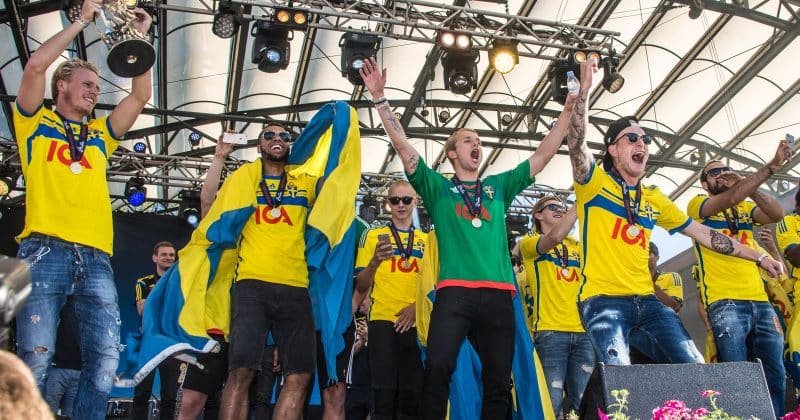
Sweden coach emphasizes importance of strikers for World Cup
Graham Potter highlights Viktor Gyökeres and Alexander Isak as the attacking engine behind Sweden's return to the world stage
Sweden opened their 2026 FIFA World Cup campaign by dismantling Tunisia 5-1 on June 14, and head coach Graham Potter wants everyone to know exactly who’s driving the bus. Or more accurately, who’s finishing the chances.
The answer: Viktor Gyökeres and Alexander Isak, a striking partnership that has transformed Sweden from hopeful qualifiers into genuine dark horses.
Potter’s philosophy meets elite finishing
Graham Potter took charge of the Swedish national team in October 2025, initially on a short-term contract. The results spoke loudly enough that Swedish football authorities extended his deal through 2030 just five months later, in March 2026.
Potter inherited a squad that hadn’t appeared at a World Cup since 2018, and within months he had them punching their ticket through the UEFA playoffs. Sweden knocked off Ukraine and Poland along the way.
Potter has been careful to frame Sweden’s resurgence as a collective achievement. His go-to line captures the ethos neatly.
The news moving money, markets, and the world—before your day starts.
Daily. Free. Join 34,000+ readers across crypto, finance, and policy.
“The biggest strength of the team is the team.”
Gyökeres, who plies his club trade at Arsenal, and Isak, who has been terrorizing defenses for Liverpool, represent complementary skill sets that give opposing backlines nightmares.
A striking partnership built on contrasts
Potter has spoken at length about how their differing approaches to the final third create problems that no single defensive scheme can solve. The Tunisia match was essentially a showcase reel. Five goals in a World Cup opener is the kind of statement performance that makes neutral fans sit up and start checking Sweden’s remaining Group F fixtures.
Sweden’s long road back
This is Sweden’s 12th World Cup appearance overall, but the eight-year gap since their 2018 participation felt like a generational drought for a proud footballing nation. Potter’s appointment represented a gamble on a coach whose stock had fluctuated wildly during his time in English football. The short-term contract was essentially a trial period that gave both parties an exit ramp if things went sideways.
The playoff victories over Ukraine and Poland demonstrated the kind of mental steel that tournament football demands. Sweden’s football federation extended the contract to 2030, a statement of institutional confidence that allows a coach to plan development cycles rather than simply survive each qualifying campaign.