
Switzerland facilitates US-Iran talks at Bürgenstock resort, crypto markets watch for geopolitical signal
The Alpine luxury resort where Ukraine peace talks were held in 2024 is now the backdrop for delicate US-Iran nuclear diplomacy, with potential ripple effects for Bitcoin and risk assets
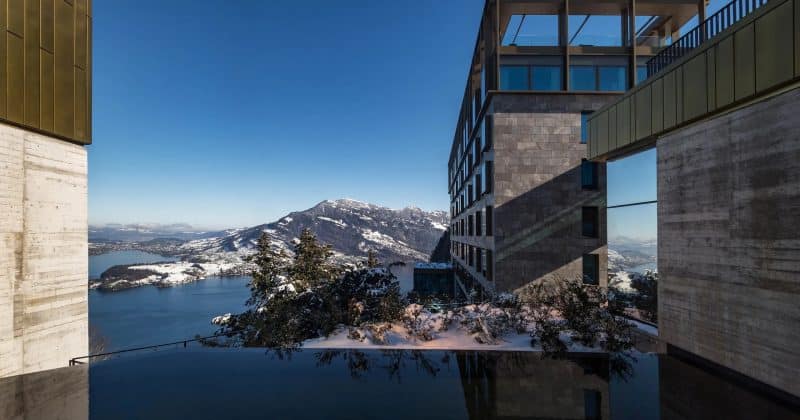
Switzerland has positioned itself as the host of confidential diplomatic negotiations between the United States and Iran, selecting the exclusive Bürgenstock resort on Lake Lucerne as the venue for talks aimed at implementing a memorandum of understanding between the two nations. The choice of location is no accident: Bürgenstock previously hosted the 2024 Ukraine peace summit, and Swiss authorities have explicitly committed to providing what they call a “discreet and reliable” environment for the sensitive discussions.
What happened, and what didn’t
The talks were originally scheduled for June 19, 2026. US Vice President JD Vance and Iranian negotiator Mohammed Bagher Ghalibaf were expected to lead their respective delegations, with Pakistan and Qatar serving as mediators who helped select the Bürgenstock venue.
Then the meeting didn’t happen. The Swiss foreign ministry confirmed the cancellation, citing last-minute logistical challenges and what were described as evolving regional circumstances. No reschedule has been announced.
The day after the cancellation, on June 20, 2026, Switzerland’s foreign ministry doubled down on its commitment to facilitate future talks at Bürgenstock.
The underlying MoU between the US and Iran was signed earlier in 2026. The Bürgenstock talks were intended to move beyond the symbolic handshake phase into actual implementation details.
The news moving money, markets, and the world—before your day starts.
Daily. Free. Join 34,000+ readers across crypto, finance, and policy.
Why Bürgenstock keeps showing up in global diplomacy
The Bürgenstock resort sits roughly 500 meters above Lake Lucerne in central Switzerland. The 2024 Ukraine peace summit put the resort on the map as a modern diplomatic stage, and its selection for US-Iran discussions reinforces that status. The resort also previously hosted the 2002 Sudanese deal.
The involvement of Pakistan and Qatar as mediating parties adds another layer of complexity. Both nations have maintained working relationships with Tehran while also engaging closely with Washington, and their input in choosing the venue suggests a level of coordination that goes well beyond casual diplomatic courtesy.
What this means for crypto investors
The postponement has already generated a cautious response among cryptocurrency markets, particularly among investors looking for signals of geopolitical stability. Observers have noted a potential linkage between easing tensions and the performance of digital assets like Bitcoin, with any definitive advancements in diplomatic relations potentially leading to shifts in market sentiment.