
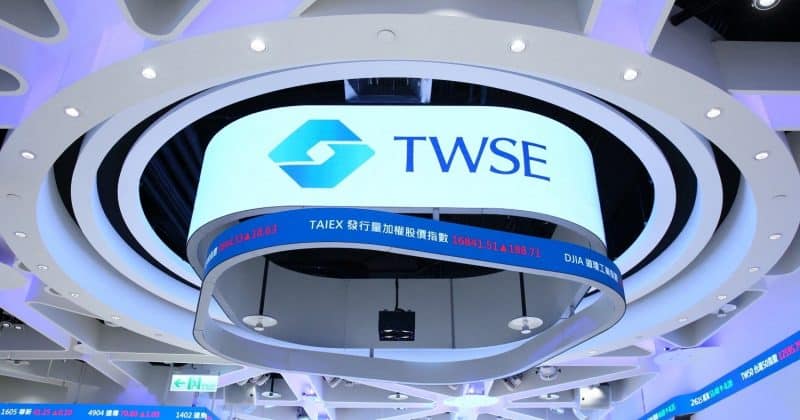
Taiwan retail margin debt surges to record NT$600B, surpassing dot-com era

Taiwan retail margin debt surges to record NT$600B, surpassing dot-com era

Retail investors in Taiwan have piled into leveraged stock bets at levels not seen since the year 2000, fueled by AI mania and a market that has doubled in twelve months

Taiwan’s retail margin debt has climbed to NT$600 billion, roughly $19 billion, as of June 18, 2026. That figure eclipses the previous all-time high set during the dot-com bubble more than a quarter century ago.

The numbers behind the frenzy

Margin debt has increased over 160% in the past 12 months, a pace that makes even South Korea’s 94% jump over the same period look measured by comparison.

Taiwan’s stock market has risen over 100% in the past year, making it the world’s fifth-largest equity market. Much of that rally traces back to artificial intelligence enthusiasm, with semiconductor titan TSMC at the center of the storm.

Total borrowings backed by stocks and ETFs exceeded NT$1 trillion as of the end of May 2026. That means the broader system of broker financing, including margin loans and stock-pledged borrowing, has expanded well beyond just the headline margin debt figure.

Advertisement

Cracks in the foundation

Trade defaults by securities firms hit $62 million in June 2026. That represents the highest monthly total since 2019 and marks a sharp rise from prior periods.

Academics and market observers have flagged these leverage levels as warning signs of potential market overheating. The rising default figures only reinforce that concern. Defaults are climbing during the good times, not during a correction.

How this compares to the dot-com era

In 2000, Taiwan’s retail investors were similarly euphoric, loading up on margin to chase technology stocks. The TAIEX lost roughly half its value over the following year as the global tech bubble deflated.

The demographic composition has shifted as well. Younger retail investors have engaged heavily in margin trading, a cohort that largely wasn’t active during the dot-com era. Regulatory warnings have apparently done little to curb the enthusiasm.

What this means for investors

When an entire market has doubled in a year and margin debt has grown 160%, the margin of safety shrinks considerably.

The fact that Taiwan’s margin debt growth has outpaced South Korea’s by a wide margin suggests this isn’t just a generic Asian retail trading phenomenon. Something specific to Taiwan’s market structure and investor behavior is driving excess leverage beyond regional norms.

The rising trade default figures deserve ongoing monitoring. If that $62 million monthly number keeps climbing even as the index holds steady, it would suggest the weakest hands are being shaken out quietly.

Disclosure: This article was edited by Editorial Team. For more information on how we create and review content, see our Editorial Policy.

Taiwan retail margin debt surges to record NT$600B, surpassing dot-com era

Taiwan retail margin debt surges to record NT$600B, surpassing dot-com era

Retail investors in Taiwan have piled into leveraged stock bets at levels not seen since the year 2000, fueled by AI mania and a market that has doubled in twelve months

Taiwan’s retail margin debt has climbed to NT$600 billion, roughly $19 billion, as of June 18, 2026. That figure eclipses the previous all-time high set during the dot-com bubble more than a quarter century ago.

The numbers behind the frenzy

Margin debt has increased over 160% in the past 12 months, a pace that makes even South Korea’s 94% jump over the same period look measured by comparison.

Taiwan’s stock market has risen over 100% in the past year, making it the world’s fifth-largest equity market. Much of that rally traces back to artificial intelligence enthusiasm, with semiconductor titan TSMC at the center of the storm.

Total borrowings backed by stocks and ETFs exceeded NT$1 trillion as of the end of May 2026. That means the broader system of broker financing, including margin loans and stock-pledged borrowing, has expanded well beyond just the headline margin debt figure.

Advertisement

Cracks in the foundation

Trade defaults by securities firms hit $62 million in June 2026. That represents the highest monthly total since 2019 and marks a sharp rise from prior periods.

Academics and market observers have flagged these leverage levels as warning signs of potential market overheating. The rising default figures only reinforce that concern. Defaults are climbing during the good times, not during a correction.

How this compares to the dot-com era

In 2000, Taiwan’s retail investors were similarly euphoric, loading up on margin to chase technology stocks. The TAIEX lost roughly half its value over the following year as the global tech bubble deflated.

The demographic composition has shifted as well. Younger retail investors have engaged heavily in margin trading, a cohort that largely wasn’t active during the dot-com era. Regulatory warnings have apparently done little to curb the enthusiasm.

What this means for investors

When an entire market has doubled in a year and margin debt has grown 160%, the margin of safety shrinks considerably.

The fact that Taiwan’s margin debt growth has outpaced South Korea’s by a wide margin suggests this isn’t just a generic Asian retail trading phenomenon. Something specific to Taiwan’s market structure and investor behavior is driving excess leverage beyond regional norms.

The rising trade default figures deserve ongoing monitoring. If that $62 million monthly number keeps climbing even as the index holds steady, it would suggest the weakest hands are being shaken out quietly.

Disclosure: This article was edited by Editorial Team. For more information on how we create and review content, see our Editorial Policy.