
 Earn with Nexo
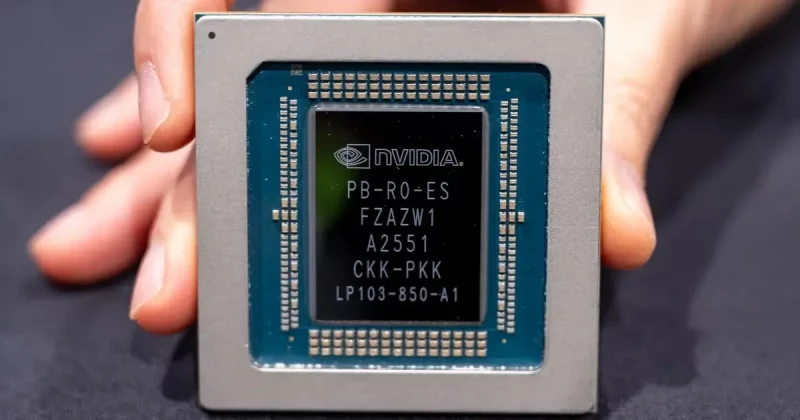
Taiwan investigates alleged smuggling of Nvidia chips to China via Japan
Three suspects detained and roughly 50 Supermicro servers worth over $15 million seized in what appears to be Taiwan's first crackdown on AI chip diversion routes.
Taiwanese prosecutors arrested three people on May 21 for allegedly forging export documents to funnel restricted Nvidia AI chips through Japan and into China. The bust netted about 50 high-end Supermicro servers valued at more than $15 million, seized during raids across 12 locations in northern Taiwan.
How the scheme allegedly worked
The suspects reportedly used falsified export declarations and misrepresented customs filings to disguise the true destination of the shipments. The servers, built by Super Micro Computer (Supermicro) and loaded with advanced Nvidia chips covered by US export restrictions, were routed through Japan as a waypoint.
At least one shipment successfully made it through the entire chain. It traveled from Taiwan to Japan, then on to Hong Kong, and ultimately into mainland China. By the time authorities caught on, hardware had already crossed multiple borders.
The Keelung District Prosecutors Office led the investigation, coordinating the 12-location sweep that resulted in the three detentions. For Taiwan, this represents the first publicly reported enforcement action targeting AI chip diversion routes specifically.
The chips in question require US export licenses for any sale to China. The restrictions exist to prevent Beijing from accessing cutting-edge semiconductor technology that could be deployed in advanced military systems or frontier AI development.
Why Japan matters in the pipeline
Japan’s role as a transit point is notable because Tokyo has aligned itself with US semiconductor export controls and implemented its own restrictions on chipmaking equipment sales to China. Having Japanese territory used as a smuggling waystation is embarrassing for all parties involved in the allied export-control framework.
The scheme exploited a basic vulnerability in international trade enforcement. When goods move between allied nations, customs scrutiny tends to be lighter. The falsified documentation allegedly made the shipments appear to be routine intra-allied commerce rather than what prosecutors believe they actually were: a pipeline to China.
What this means for the semiconductor market
US export restrictions on advanced chips to China have been tightening since 2022, specifically targeting high-performance Nvidia GPUs and related server systems. Every major player in the ecosystem, from Nvidia to TSMC to Supermicro, has had to navigate an increasingly complex compliance landscape.
For Nvidia, the situation underscores a persistent tension. Export restrictions have already forced Nvidia to develop lower-performance chip variants specifically for the Chinese market. Evidence that its restricted chips are being smuggled through elaborate multi-country routes only reinforces Washington’s argument that tighter controls are necessary.
The $15 million in seized servers is a rounding error in an industry that moves hundreds of billions of dollars in hardware annually. But Taiwan has now demonstrated it’s willing to use its criminal justice system to enforce allied semiconductor controls.