
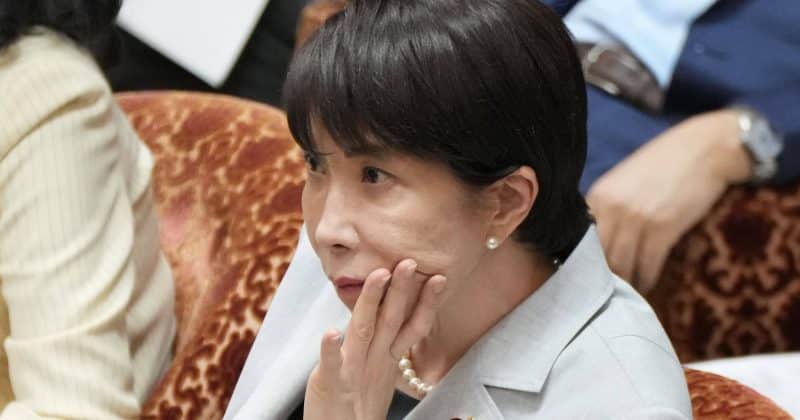
Sanae Takaichi signals acceptance of Bank of Japan’s rate hike to highest level since 1995
Japan's prime minister drops her earlier resistance to tightening monetary policy as the BOJ pushes rates to 1%, with ripple effects across crypto and traditional markets
Japan’s Prime Minister Sanae Takaichi has given her blessing to the Bank of Japan’s decision to raise its policy rate to 1%, the highest level the country has seen since 1995. For a leader who spent the early months of 2026 publicly questioning whether rate hikes were a good idea, the pivot is notable.
The BOJ passed the increase on June 16 with a 7-1 vote, making it the second rate hike during Takaichi’s tenure.
From skeptic to supporter
Takaichi’s relationship with BOJ Governor Kazuo Ueda has not always been smooth. Earlier in 2026, she voiced reservations about further rate increases during meetings with Ueda, concerns that contributed to temporary weakness in the yen at the time.
Takaichi took office in October 2025 after winning the Liberal Democratic Party leadership election.
The government is now emphasizing coordination with the central bank rather than resistance. Takaichi’s administration has paired its acceptance of tighter monetary policy with fiscal stimulus, approving a 3 trillion yen supplementary budget designed to cushion households against surging energy costs.
The news moving money, markets, and the world—before your day starts.
Daily. Free. Join 34,000+ readers across crypto, finance, and policy.
What 1% means after decades near zero
The 7-1 vote also matters. Near-unanimity among BOJ board members suggests this was not a controversial or forced decision internally.
Market reactions have reflected the significance. The yen saw movement following the announcement, and broader asset volatility picked up as investors digested the implications of Japan’s monetary policy normalization.
Crypto implications: tax reform matters more than rates
The rate hike did not produce an immediate visible shock to cryptocurrency markets. No dramatic Bitcoin selloff, no Ethereum flash crash.
The more consequential development for crypto investors is happening on the regulatory side. Under Takaichi’s government, Japan has initiated reforms to its cryptocurrency tax structure. The current framework taxes digital asset gains at rates as high as 55%, treating them as miscellaneous income. The proposed reform would bring that rate down to 20%, aligning crypto gains more closely with how traditional financial assets are taxed.
The risk is that economic conditions deteriorate and Takaichi’s government reverses course on either front. A sharp recession could bring back calls for rate cuts and delay tax reform. But crypto markets will likely respond more to the tax proposal’s progress through Japan’s legislature than to any single BOJ rate decision.