
Tartan Army faces travel dilemmas as Scotland’s fate hangs in balance

Tartan Army faces travel dilemmas as Scotland’s fate hangs in balance

Scottish fans are selling cars and reshaping their lives for a World Cup berth that isn't guaranteed yet

Planning a trip to a tournament your team hasn’t qualified for yet is either the ultimate act of faith or a logistical nightmare dressed up as optimism. For thousands of Scotland supporters, it’s currently both.

With the Tartan Army staring down an uncertain qualification picture for the 2026 FIFA World Cup, fans are making real financial sacrifices, selling cars and overhauling personal plans, just to keep the option open.

The cost of believing

Multiple Scottish fans have done exactly that, liquidating assets to free up the funds and flexibility needed for potential travel to the 2026 tournament, which is being co-hosted across the United States, Canada, and Mexico.

Beyond the money, supporters are rearranging jobs, family commitments, and long-term plans to keep their calendars clear.

Advertisement

Scotland’s qualification picture

As of late June 2026, Scotland’s status for the World Cup remains unresolved. The team is navigating UEFA’s qualification process, where the margin for error is tight and the competition is fierce.

Europe’s pathway to the 2026 tournament runs through a format that has expanded the overall field to 48 teams, giving UEFA more slots than previous editions.

Scotland last appeared at a World Cup in 1998, in France, where they exited in the group stage.

What the Tartan Army actually means

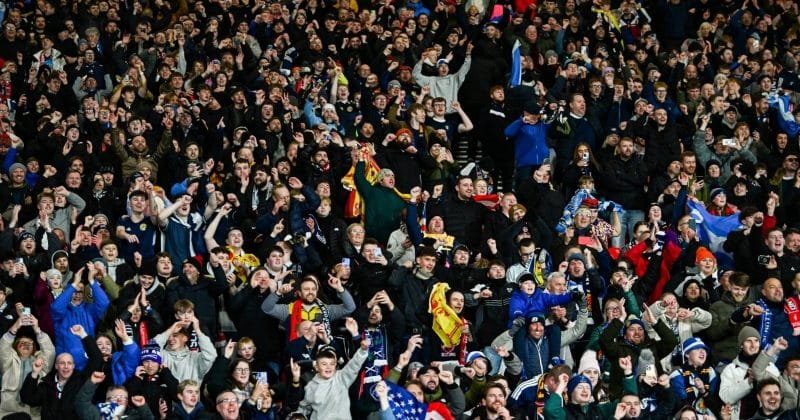
The Tartan Army isn’t just a nickname. It’s a travelling support built around a culture of good-natured noise, distinctive dress, and an almost perverse willingness to follow a team that has historically delivered more drama than silverware.

The 48-team format, new for 2026, introduces a group stage structure where teams play three group matches before the knockout rounds begin.

What this means for fans watching the qualification race

The expanded World Cup format does provide a broader safety net than previous tournaments. More European berths means the qualification ceiling is higher.

For supporters still on the fence about committing to travel, the calculus is straightforward but uncomfortable. Book early and eat the cost if Scotland don’t make it. Wait for certainty and face the reality that affordable options may no longer exist.

Disclosure: This article was edited by Editorial Team. For more information on how we create and review content, see our Editorial Policy.

Tartan Army faces travel dilemmas as Scotland’s fate hangs in balance

Tartan Army faces travel dilemmas as Scotland’s fate hangs in balance

Scottish fans are selling cars and reshaping their lives for a World Cup berth that isn't guaranteed yet

Planning a trip to a tournament your team hasn’t qualified for yet is either the ultimate act of faith or a logistical nightmare dressed up as optimism. For thousands of Scotland supporters, it’s currently both.

With the Tartan Army staring down an uncertain qualification picture for the 2026 FIFA World Cup, fans are making real financial sacrifices, selling cars and overhauling personal plans, just to keep the option open.

The cost of believing

Multiple Scottish fans have done exactly that, liquidating assets to free up the funds and flexibility needed for potential travel to the 2026 tournament, which is being co-hosted across the United States, Canada, and Mexico.

Beyond the money, supporters are rearranging jobs, family commitments, and long-term plans to keep their calendars clear.

Advertisement

Scotland’s qualification picture

As of late June 2026, Scotland’s status for the World Cup remains unresolved. The team is navigating UEFA’s qualification process, where the margin for error is tight and the competition is fierce.

Europe’s pathway to the 2026 tournament runs through a format that has expanded the overall field to 48 teams, giving UEFA more slots than previous editions.

Scotland last appeared at a World Cup in 1998, in France, where they exited in the group stage.

What the Tartan Army actually means

The Tartan Army isn’t just a nickname. It’s a travelling support built around a culture of good-natured noise, distinctive dress, and an almost perverse willingness to follow a team that has historically delivered more drama than silverware.

The 48-team format, new for 2026, introduces a group stage structure where teams play three group matches before the knockout rounds begin.

What this means for fans watching the qualification race

The expanded World Cup format does provide a broader safety net than previous tournaments. More European berths means the qualification ceiling is higher.

For supporters still on the fence about committing to travel, the calculus is straightforward but uncomfortable. Book early and eat the cost if Scotland don’t make it. Wait for certainty and face the reality that affordable options may no longer exist.

Disclosure: This article was edited by Editorial Team. For more information on how we create and review content, see our Editorial Policy.