
Nexo Earn with Nexo
Tech selloff deepens as traders brace for hot CPI report

Tech selloff deepens as traders brace for hot CPI report

Technology stocks slide for a second straight session while Bitcoin and Ethereum hemorrhage value ahead of a May inflation print that could kill rate cut hopes for 2026.

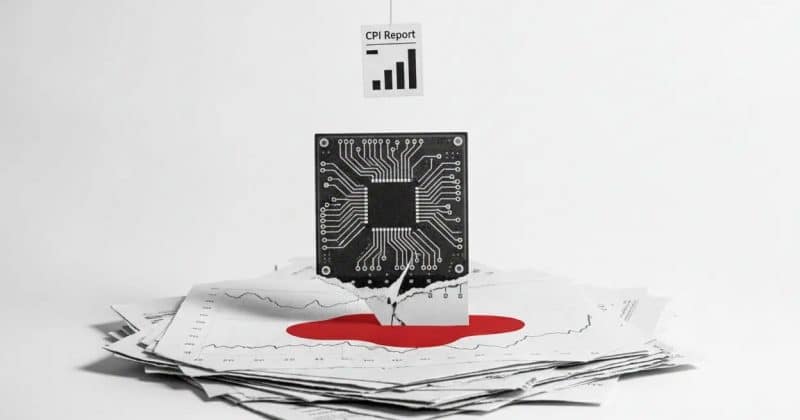
Technology shares are leading US equities lower for a second consecutive session, and the timing is not a coincidence. Traders are dumping risk assets ahead of the May Consumer Price Index report, scheduled for release on June 10 at 8:30 a.m. ET, where economists are forecasting a 4.2% year-over-year increase. That would be the highest CPI reading since mid-2023.

The selloff is not contained to Wall Street. Asia-Pacific markets got hit hard too, with Korea’s Kospi tumbling as much as 4.4% on weakness in chipmaker stocks. And in crypto, the damage has been even more severe: Bitcoin dropped approximately 14% during the week ending June 9, while Ethereum fell about 15.8% over the same stretch.

What’s driving the panic

April’s CPI already came in uncomfortably warm, rising 0.6% month-over-month and 3.8% year-over-year. Now, forecasters expect May’s number to accelerate further to 4.2%, a jump largely attributed to soaring energy prices tied to escalating geopolitical tensions in the Middle East.

Advertisement

The tech sector is now bearing the brunt of that anxiety. AI-fueled valuations are suddenly getting stress-tested against the reality that borrowing costs might not come down anytime soon.

Crypto caught in the crossfire

Bitcoin’s 14% weekly decline and Ethereum’s 15.8% drop are part of the same macro trade that is punishing tech stocks and anything else that thrives in a low-rate, risk-on environment.

A hotter-than-expected CPI report would almost certainly eradicate remaining expectations for Federal Reserve interest rate cuts in 2026. That would strengthen the US dollar, which historically puts downward pressure on both crypto and equities.

The 15.8% weekly decline in Ethereum is particularly notable. ETH has been more volatile than Bitcoin throughout this cycle, and the gap between the two is widening during this selloff, suggesting traders are de-risking within their crypto portfolios, moving from higher-beta altcoins toward Bitcoin, or out of the market entirely.

What this means for investors

The CPI report creates a binary setup for markets. If the number comes in at or above the 4.2% forecast, rate cut expectations would effectively evaporate, and the repricing of risk assets could extend well beyond the tech sector. If the print surprises to the downside, markets have priced in a significant amount of fear, and a cooler number would give traders permission to buy the dip in both tech and crypto.

Capital reallocation patterns ahead of major economic data releases have become a defining feature of this market cycle. The intersection of AI valuation concerns, persistent inflation, and geopolitical energy shocks creates conditions that could reshape portfolio construction for the rest of 2026.

Disclosure: This article was edited by Editorial Team. For more information on how we create and review content, see our Editorial Policy.

Tech selloff deepens as traders brace for hot CPI report

Tech selloff deepens as traders brace for hot CPI report

Technology stocks slide for a second straight session while Bitcoin and Ethereum hemorrhage value ahead of a May inflation print that could kill rate cut hopes for 2026.

Technology shares are leading US equities lower for a second consecutive session, and the timing is not a coincidence. Traders are dumping risk assets ahead of the May Consumer Price Index report, scheduled for release on June 10 at 8:30 a.m. ET, where economists are forecasting a 4.2% year-over-year increase. That would be the highest CPI reading since mid-2023.

The selloff is not contained to Wall Street. Asia-Pacific markets got hit hard too, with Korea’s Kospi tumbling as much as 4.4% on weakness in chipmaker stocks. And in crypto, the damage has been even more severe: Bitcoin dropped approximately 14% during the week ending June 9, while Ethereum fell about 15.8% over the same stretch.

What’s driving the panic

April’s CPI already came in uncomfortably warm, rising 0.6% month-over-month and 3.8% year-over-year. Now, forecasters expect May’s number to accelerate further to 4.2%, a jump largely attributed to soaring energy prices tied to escalating geopolitical tensions in the Middle East.

Advertisement

The tech sector is now bearing the brunt of that anxiety. AI-fueled valuations are suddenly getting stress-tested against the reality that borrowing costs might not come down anytime soon.

Crypto caught in the crossfire

Bitcoin’s 14% weekly decline and Ethereum’s 15.8% drop are part of the same macro trade that is punishing tech stocks and anything else that thrives in a low-rate, risk-on environment.

A hotter-than-expected CPI report would almost certainly eradicate remaining expectations for Federal Reserve interest rate cuts in 2026. That would strengthen the US dollar, which historically puts downward pressure on both crypto and equities.

The 15.8% weekly decline in Ethereum is particularly notable. ETH has been more volatile than Bitcoin throughout this cycle, and the gap between the two is widening during this selloff, suggesting traders are de-risking within their crypto portfolios, moving from higher-beta altcoins toward Bitcoin, or out of the market entirely.

What this means for investors

The CPI report creates a binary setup for markets. If the number comes in at or above the 4.2% forecast, rate cut expectations would effectively evaporate, and the repricing of risk assets could extend well beyond the tech sector. If the print surprises to the downside, markets have priced in a significant amount of fear, and a cooler number would give traders permission to buy the dip in both tech and crypto.

Capital reallocation patterns ahead of major economic data releases have become a defining feature of this market cycle. The intersection of AI valuation concerns, persistent inflation, and geopolitical energy shocks creates conditions that could reshape portfolio construction for the rest of 2026.

Disclosure: This article was edited by Editorial Team. For more information on how we create and review content, see our Editorial Policy.