
Tech selloff drags crypto to its lowest levels of the year
Wall Street's AI spending hangover spills into digital assets as Bitcoin touches $58K and the Fear & Greed Index hits extreme fear territory
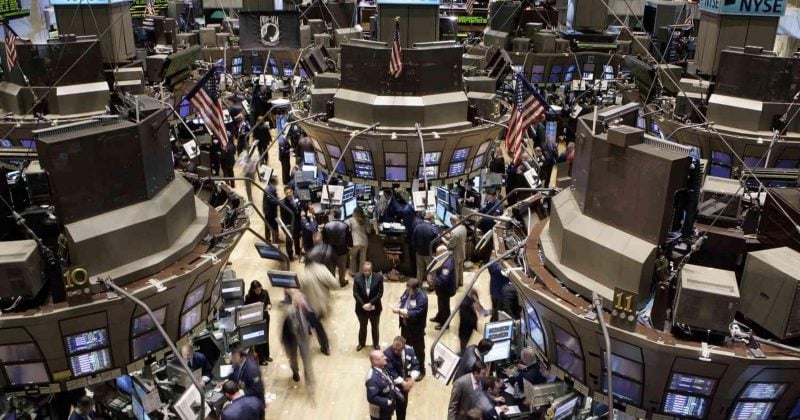
The tech sector just had one of its worst days of the year, and crypto ate the shrapnel. The Nasdaq dropped 2% in a single session while the semiconductor index cratered nearly 8%, dragging Bitcoin down to $58K before it clawed back to around $60K.
The catalyst? Wall Street is finally asking AI companies a very simple question: where are the profits? Companies that poured billions into artificial intelligence infrastructure without showing meaningful returns are getting punished. And in a market where crypto has increasingly traded like a leveraged tech bet, the contagion was immediate.
The damage across crypto
Bitcoin touched $58K during the worst of the selling before stabilizing. It last traded near $60K, which still represents a 5.8% decline over the past seven days, according to CoinGecko data.
Ethereum fared worse on a relative basis, slipping below $1,600 with a 0.6% decline over 24 hours on top of its weekly losses.
Solana was a rare bright spot, holding around $71 and actually posting a 7.1% gain over 24 hours. XRP sat near $1.04, doing its usual impression of a stablecoin with opinions.
The Crypto Fear & Greed Index, tracked by Alternative.me, reads 13. That’s “Extreme Fear” territory, barely changed from last week’s reading of 14. For context, this index runs from 0 to 100, and readings below 25 are historically associated with capitulation-level sentiment. The market isn’t just nervous. It’s curled up in the fetal position.
The best-performing crypto category over the past seven days was DeFi, which managed a flat 0.0% return. When “unchanged” counts as winning, you know the environment is brutal.
Why AI spending is crypto’s problem
Here’s the thing. A year ago, Bitcoin and the Nasdaq were joined at the hip in a way that would have seemed absurd in 2017. Back then, crypto moved to its own rhythm. Now, institutional adoption has made digital assets behave more like risk assets, correlated with tech stocks and sensitive to the same macro forces.
The news moving money, markets, and the world—before your day starts.
Daily. Free. Join 34,000+ readers across crypto, finance, and policy.
The semiconductor index dropping nearly 8% in one session is a significant event. These are the companies building the physical infrastructure for AI, the picks-and-shovels plays that were supposed to be the safest way to ride the AI wave. When even those names get hammered, it signals something deeper than a single bad earnings report. It signals a broader repricing of risk.
In English: investors are suddenly less willing to pay premium prices for future promises, whether those promises come from chipmakers or blockchain protocols. That risk appetite contraction hits crypto especially hard because digital assets sit at the far end of the risk spectrum. When institutional money gets defensive, crypto is the first thing that gets sold.
The pattern isn’t new. During every major tech correction since 2020, Bitcoin has initially dropped alongside equities before eventually decoupling. The question is always how long the pain lasts before that decoupling happens.
What this means for investors
Look, extreme fear readings have historically been better buying signals than selling signals. That’s the contrarian playbook, and it has worked more often than not in crypto’s relatively short history. But “historically good entry point” and “the bottom is in” are very different statements.
The macro backdrop matters here. If the tech selloff is a one-day tantrum, crypto likely bounces quickly. Bitcoin’s 24-hour change was already showing a modest 0.2% recovery at the time of this writing. But if Wall Street’s skepticism about AI spending turns into a sustained rotation out of growth and into value or defensive sectors, crypto could face weeks of pressure.
The correlation between Bitcoin and tech stocks is the variable to watch. During periods of extreme stress, correlations tend to spike, meaning crypto offers less diversification benefit precisely when investors want it most. That’s the cruel irony of institutional adoption. You get more liquidity and legitimacy in good times, and more correlated drawdowns in bad times.
Solana’s relative outperformance is worth noting but probably shouldn’t be over-interpreted. In sharp selloffs, individual token performance often reflects positioning and liquidation dynamics more than fundamental strength. One day of outperformance during a broader meltdown doesn’t make a trend.
The competitive landscape between Bitcoin and Ethereum is also shifting subtly during this downturn. Bitcoin’s 5.8% weekly decline versus Ethereum trading below $1,600 suggests that ETH is bearing a disproportionate share of the selling pressure, a dynamic that has persisted for much of 2024 and into 2025. Ethereum’s ongoing challenges with layer-2 value capture and competitive pressure from faster chains may be amplifying its sensitivity to risk-off moves.
For anyone watching from the sidelines, the playbook is straightforward but requires patience. Extreme fear readings tend to cluster, meaning sentiment can stay depressed for days or weeks before reversing. Trying to catch the exact bottom in a macro-driven selloff is a losing game. The more productive question is whether the thesis for owning crypto has changed, or just the price.